%2Ffit-in%2F250x250%2Fguide_websites%2F55243%2Fimages%2F1789141028554chatgptimagesep11202610_36_41am.png&w=1920&q=100)
Caught a Black Drum Inshore in Port OConnor
Black Drum Inshore in Port O'Connor
%2F%2Fusers%2F7cb0a14f-4a09-4406-98bc-5dca68d88a2b%2Fimages%2Fblack-drum-catch-port-oconnor-7087.png&w=1920&q=75)
The Black Drum belongs to the order Perciformes and family Sciaenidae. It typically weighs between 15 to 90 lbs in Texas waters. - Largest member of the drum family with nearly 300 related species. - Known for distinctive drumming or croaking sounds they produce. - Powerful jaws crush shellfish, oysters, and crabs along bottom structure.
Guided Fishing Trip by Guide Capt Stephen Boriskie in October
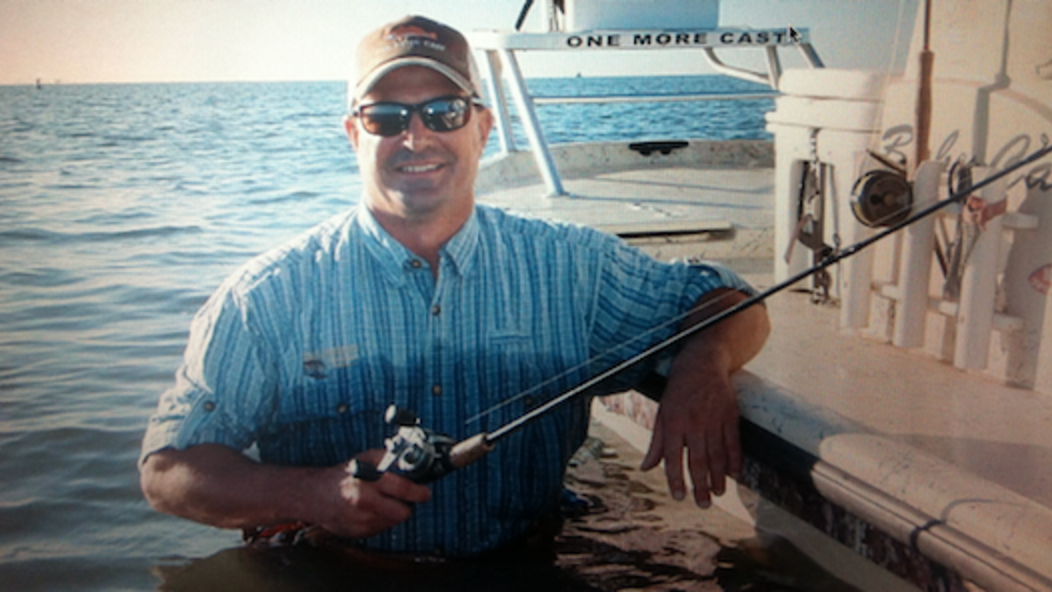
- Port O’Connor inshore fishing, floundering, ducks



Summary
Capt Stephen Boriskie of Mid Coast Outfitters POC on Saturday October offers guided fishing trips targeting black drum, redfish, and speckled trout in Port O'Connor's productive inshore waters. This extended half day adventure runs from 7am to 1pm, accommodating up to 4 anglers with optional spots for additional guests. Using proven techniques like drift fishing over grass flats and bottom fishing near structure, anglers consistently connect with quality fish in these diverse brackish waters. All rods, reels, and tackle are provided, with live bait available at market price. Perfect for beginners and experienced anglers alike, these Port O'Connor fishing charters deliver reliable action in one of the Texas coast's most productive inshore fisheries.
Fishing Charter with Capt Stephen Boriskie – Rates & Booking
Guide Capt Stephen Boriskie of Mid Coast Outfitters POC on Saturday October offers this extended half day fishing charter from 7am to 1pm for $800, accommodating 1-4 anglers with optional 5th and 6th guest spots at $125 each. All fishing gear, rods, reels, and tackle are included, with live bait available at market price when conditions allow. This licensed captain brings years of local experience targeting black drum, redfish, and speckled trout in Port O'Connor's inshore waters. Book online or call to reserve your spot on these productive Texas coast fishing grounds.
Highlights of Port O'Connor Inshore Fishing Charter for Speckled Trout, Redfish and Black Drum
This six-hour charter focuses on Port O'Connor's diverse inshore structure, from grass flats to oyster reefs where black drum and redfish thrive. Drift fishing over the flats and bottom fishing near structure provide multiple opportunities to work different presentations throughout the trip. The extended format gives anglers plenty of time to explore productive areas while keeping the experience manageable for all skill levels.
Clear morning conditions and calm waters create ideal fishing weather, allowing for precise boat positioning and effective lure presentations. The combination of techniques keeps action steady, whether casting over shallow grass or working deeper structure where black drum feed on shellfish and crabs.
Local Species Insights: Black Drum
Black drum patrol Port O'Connor's brackish waters year-round, using their powerful jaws to crush oysters, crabs, and shrimp along bottom structure. These fish range from 15 to 90 pounds in Texas waters, with the larger specimens often found near deeper oyster reefs and channel edges. October brings excellent black drum fishing as cooler water temperatures trigger increased feeding activity, making them more aggressive toward bottom-presented baits and lures.
Plan Your Fishing Charter Day
The boat departs at 7am sharp, returning by 1pm after six hours on the water. Captain Stephen provides all fishing equipment, including rods, reels, and tackle suited for inshore species. Live bait is available at market price when conditions permit, though artificial lures often prove equally effective. The charter accommodates up to 4 anglers comfortably, with safety equipment and local knowledge included. Morning fog may occasionally affect departure times for safety reasons.
Fishing in Port O'Connor: Black Drum
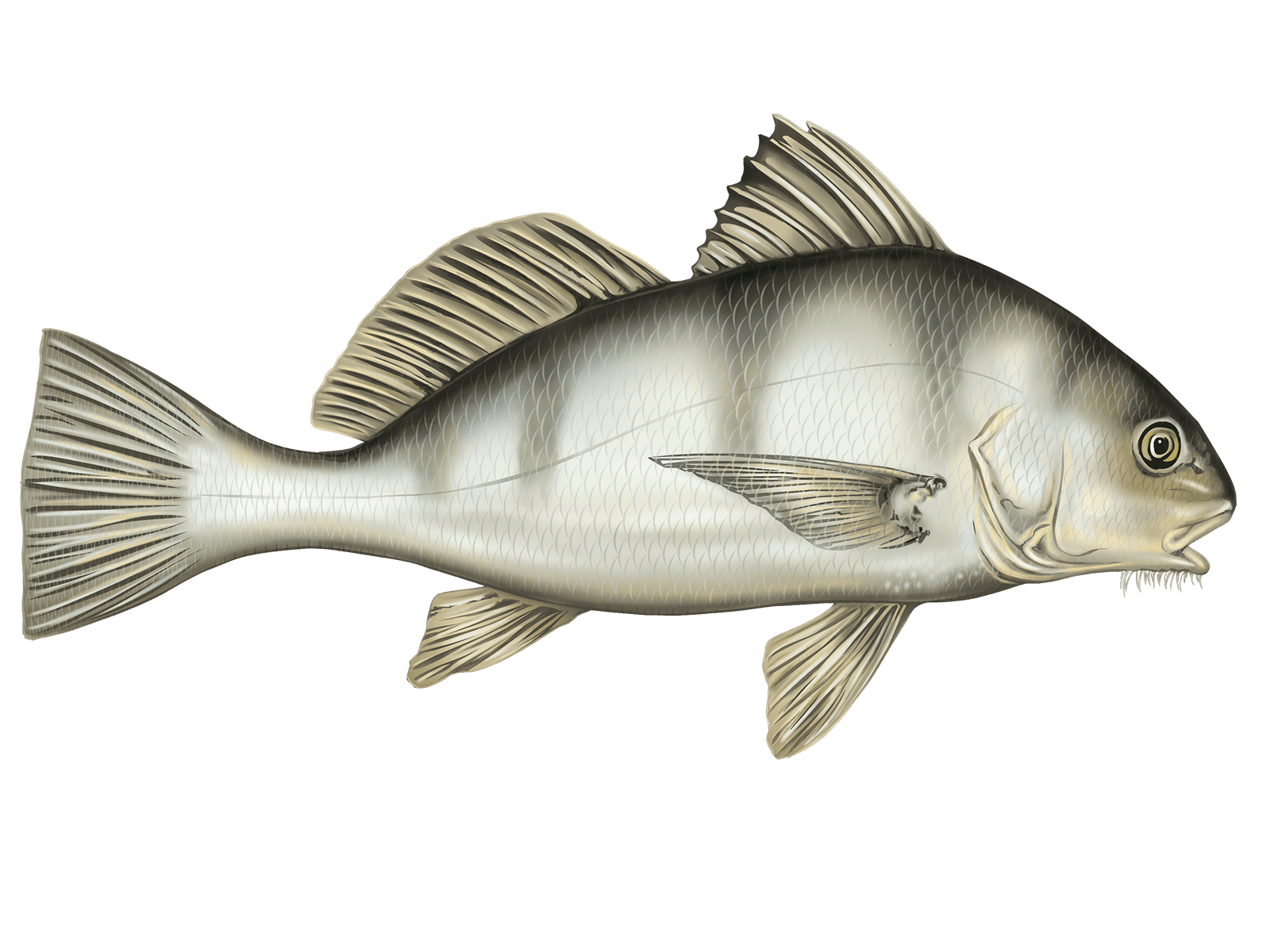
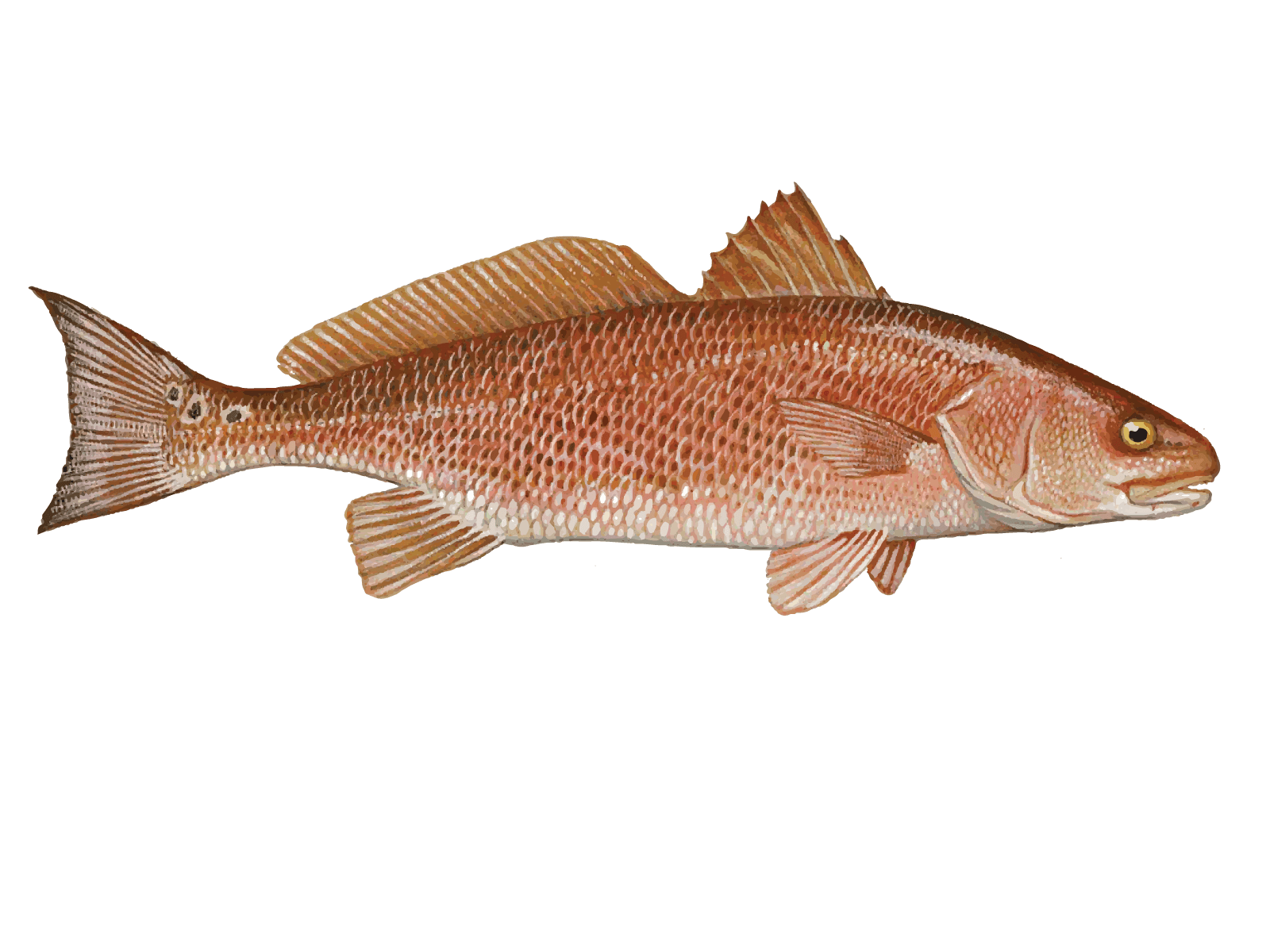
The Black Drum (Pogonias cromis) belongs to the Sciaenidae family and represents the largest member of this diverse group containing nearly 300 species, including their popular cousin, the redfish. These powerful fish are distinguished by their dark coloration and the distinctive drumming or croaking sounds they produce, which gives the entire family its common name. In Port O'Connor waters this October, black drum use their crushing jaws to feed on oysters, crabs, and shrimp along the abundant bottom structure.
Black Drum Overview
Black drum are prized by anglers for their size, fighting ability, and year-round availability in Texas coastal waters. These fish can live over 40 years and grow to impressive sizes, with specimens over 50 pounds not uncommon in Port O'Connor's productive brackish waters. Their robust build and powerful tail make them formidable opponents on light tackle.
Black Drum Habitat and Distribution
Black drum thrive in the brackish waters and shallow bays along the Texas coast, particularly around oyster reefs, grass flats, and channel edges. Port O'Connor's diverse inshore structure provides ideal habitat, with the fish moving between shallow feeding areas and deeper channels based on tides and temperature. They prefer areas where hard bottom meets soft sediment, allowing access to both shellfish and worms.
Black Drum Size and Weight
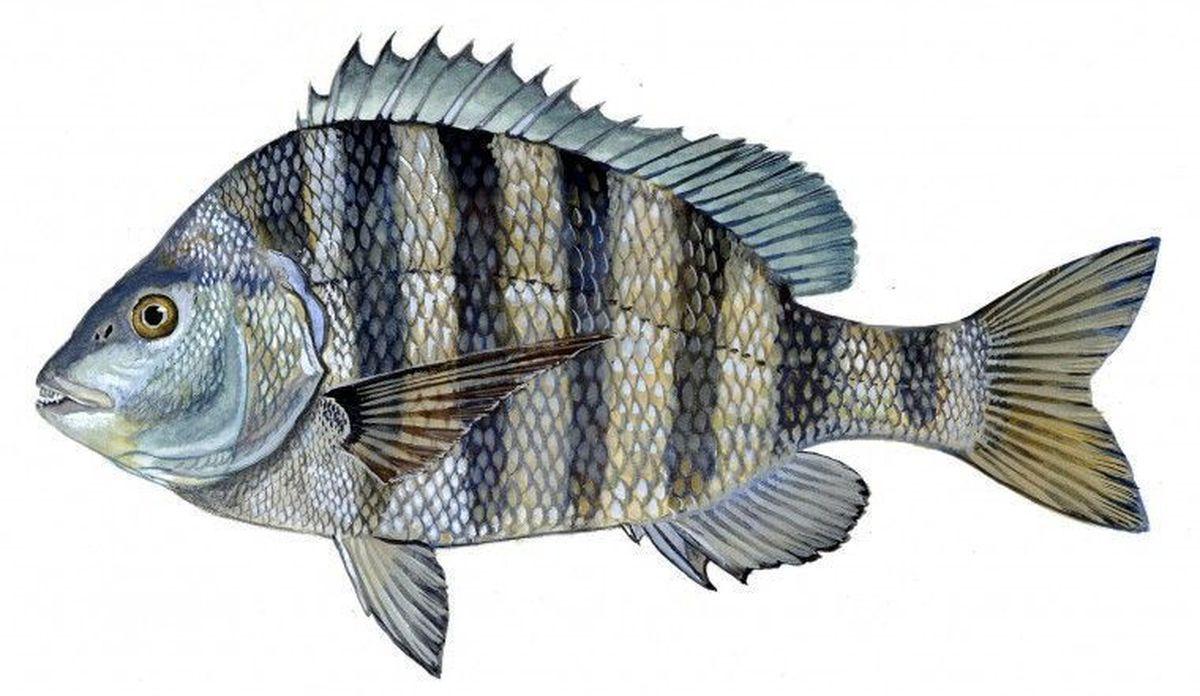
Texas black drum typically range from 15 to 90 pounds, with fish over 30 pounds considered trophy-class. Younger fish under 10 pounds, called "puppy drum," are more common in shallow grass flats, while larger specimens frequent deeper oyster reefs and channel structures.
Black Drum Diet and Behavior
Black drum are bottom feeders with powerful pharyngeal teeth designed to crush hard-shelled prey. Their diet consists primarily of oysters, clams, crabs, shrimp, and marine worms. They feed most actively during moving tides when currents dislodge prey from bottom structure. These fish often feed in groups, creating distinctive mud clouds as they root through soft bottom sediments.
Black Drum Spawning Season
Black drum spawn in nearshore waters from February through May when water temperatures reach 68-72°F. During spawning season, large schools gather in deeper channels and passes, making them more accessible to anglers. Post-spawn fish often move into shallow bays to feed heavily, rebuilding energy reserves.
Black Drum Fishing Techniques
Bottom fishing with cut bait, live or dead shrimp, and blue crab produces consistent results for black drum. Heavy sinkers and strong hooks are essential due to their powerful jaws and tendency to seek structure. Drift fishing over oyster reefs allows anglers to cover water efficiently, while anchoring near productive structure can produce steady action. In October around Port O'Connor, anglers find success using 4/0 to 6/0 circle hooks with fresh shrimp or crab near oyster bars and channel edges.
Black Drum Is It Good to Eat?
Smaller black drum under 10 pounds offer excellent table fare with firm, white meat and mild flavor. Larger fish tend to have coarser texture and stronger taste, making them better suited for catch and release. The meat is high in protein and omega-3 fatty acids, and works well grilled, blackened, or in fish tacos when properly prepared.
Black Drum Frequently Asked Questions
Q: What is the best bait for black drum?
A: Fresh or live shrimp, blue crab, and cut mullet are top choices. Black drum have excellent sense of smell, so fresh bait is crucial for consistent success.
Q: Where can I find black drum near Port O'Connor?
A: Focus on oyster reefs, grass flat edges, and channel drop-offs in 3-8 feet of water. The Matagorda Bay system offers excellent black drum habitat year-round.
Q: Is black drum good to eat?
A: Smaller fish under 10 pounds are excellent table fare with mild, firm white meat. Larger fish are better released due to coarser texture and reproductive value.
Q: When is the best time to catch black drum?
A: Moving tides during cooler months provide peak action. October through March offers some of the most consistent black drum fishing in Texas waters.