%2Ffit-in%2F250x250%2Fguide_websites%2F55243%2Fimages%2F1789141028554chatgptimagesep11202610_36_41am.png&w=1920&q=100)
/users/7cb0a14f-4a09-4406-98bc-5dca68d88a2b/ratecard/cuppingduckslogo-mtvv1wsm.png)
%2F300x300%2Fusers%2F7cb0a14f-4a09-4406-98bc-5dca68d88a2b%2Fratecard%2Fcuppingduckslogo-mtvv1wsm.png&w=256&q=75)
%2F300x300%2Fusers%2F7cb0a14f-4a09-4406-98bc-5dca68d88a2b%2Fimages%2Fsunset-cruise-port-oconnor-texas-2576.jpeg&w=256&q=75)
%2F300x300%2Fusers%2F7cb0a14f-4a09-4406-98bc-5dca68d88a2b%2Fimages%2Ftexas-fishing-tour-cruises-2925.jpeg&w=256&q=75)
%2F300x300%2Fusers%2F7cb0a14f-4a09-4406-98bc-5dca68d88a2b%2Fimages%2Fredfish-catch-tx-2570.jfif&w=256&q=75)
%2F300x300%2Fusers%2F7cb0a14f-4a09-4406-98bc-5dca68d88a2b%2Fimages%2Fthrilling-tx-outdoor-excursions-2325.jfif&w=256&q=75)
%2F300x300%2Fusers%2F7cb0a14f-4a09-4406-98bc-5dca68d88a2b%2Fimages%2Fthrilling-fishing-tx-2328.jfif&w=256&q=75)
%2F300x300%2Fusers%2F7cb0a14f-4a09-4406-98bc-5dca68d88a2b%2Fimages%2Fbest-tx-fishing-getaway-2398.jfif&w=256&q=75)
%2F300x300%2Fusers%2F7cb0a14f-4a09-4406-98bc-5dca68d88a2b%2Fimages%2Foutdoor-fun-port-oconnor-2470.jfif&w=256&q=75)
%2F300x300%2Fusers%2F7cb0a14f-4a09-4406-98bc-5dca68d88a2b%2Fimages%2Fport-oconnor-fishing-trip-2293.jfif&w=256&q=75)
%2F300x300%2Fusers%2F7cb0a14f-4a09-4406-98bc-5dca68d88a2b%2Fimages%2Fport-oconnor-fishing-tour-2284.jpg&w=256&q=75)
%2F300x300%2Fusers%2F7cb0a14f-4a09-4406-98bc-5dca68d88a2b%2Fimages%2Ftx-fishing-getaway-2366.jpeg&w=256&q=75)
AM Duck Hunt - LAST HALF of Duck Season
 Port O'Connor
What you will be catching:
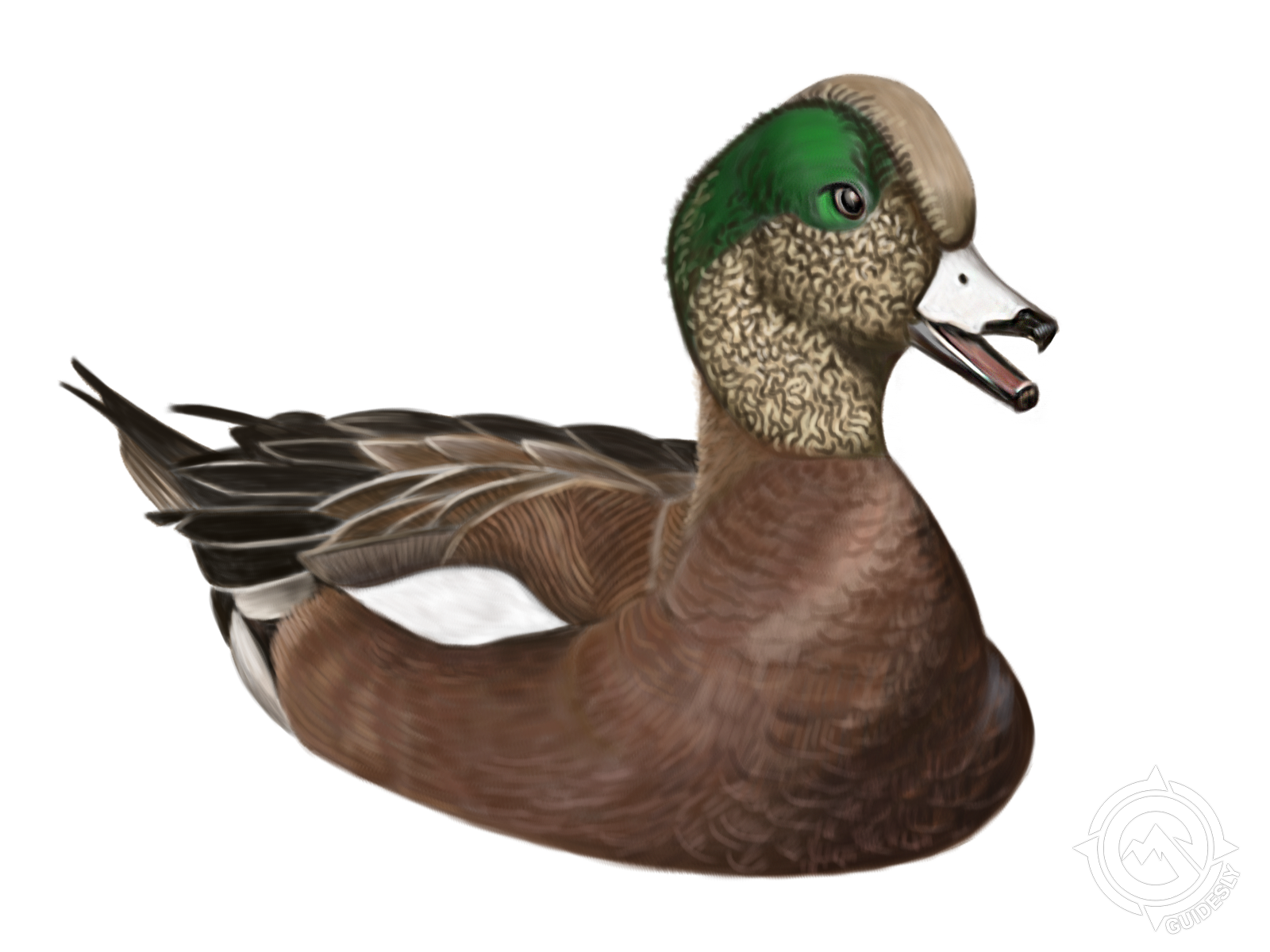 American Wigeon
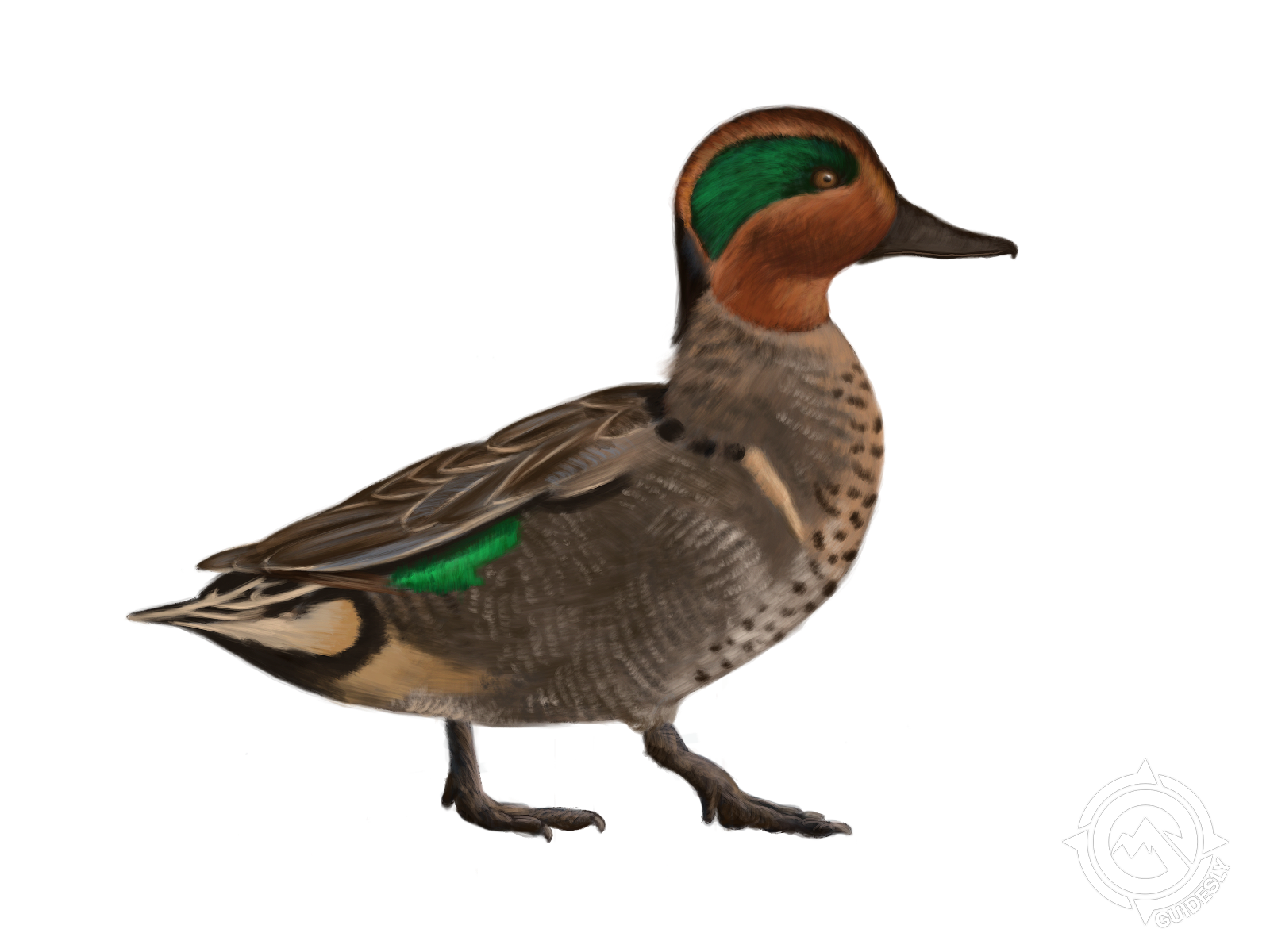 Green-winged Teal
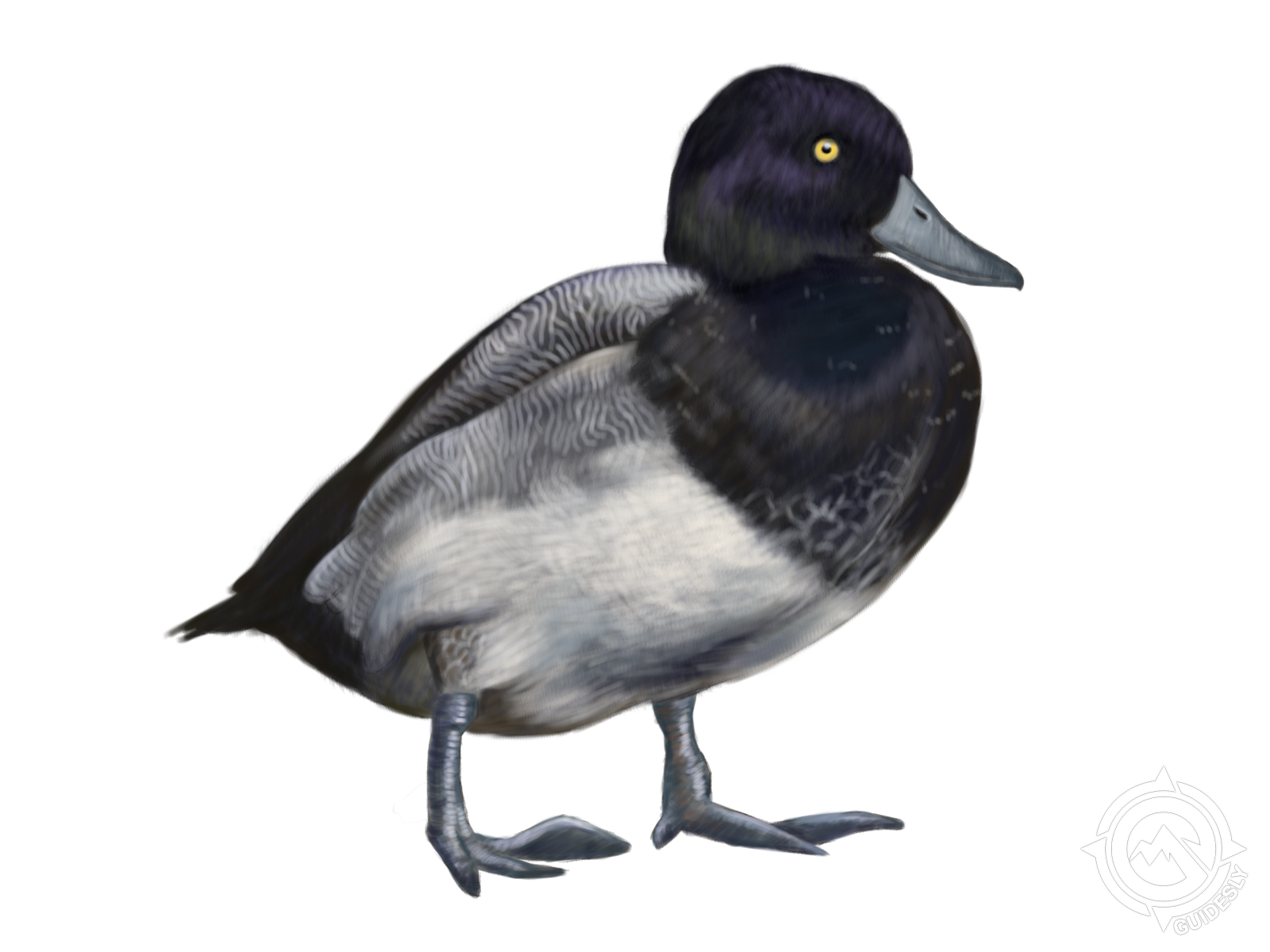 Lesser Scaup
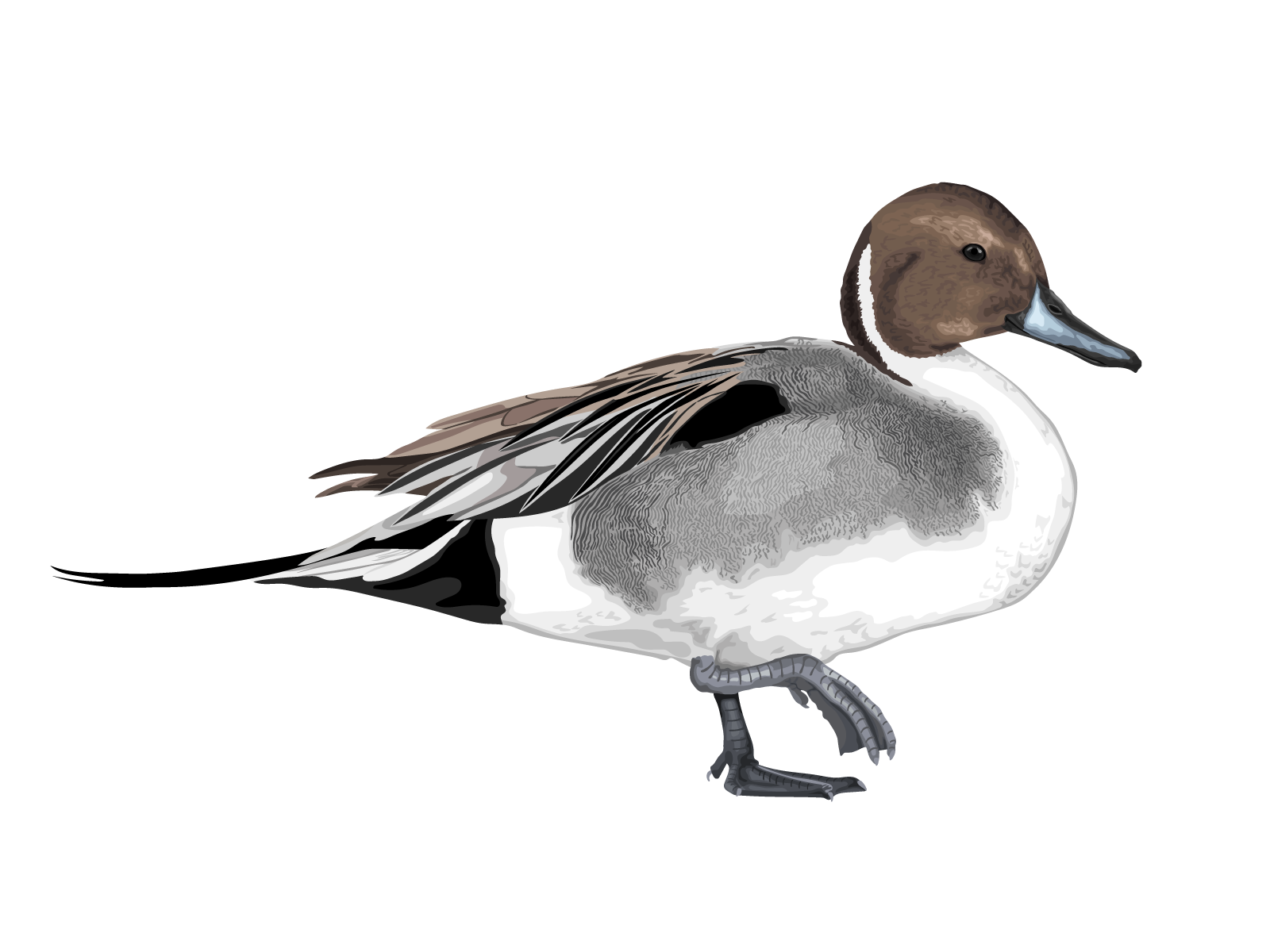 Northern Pintail
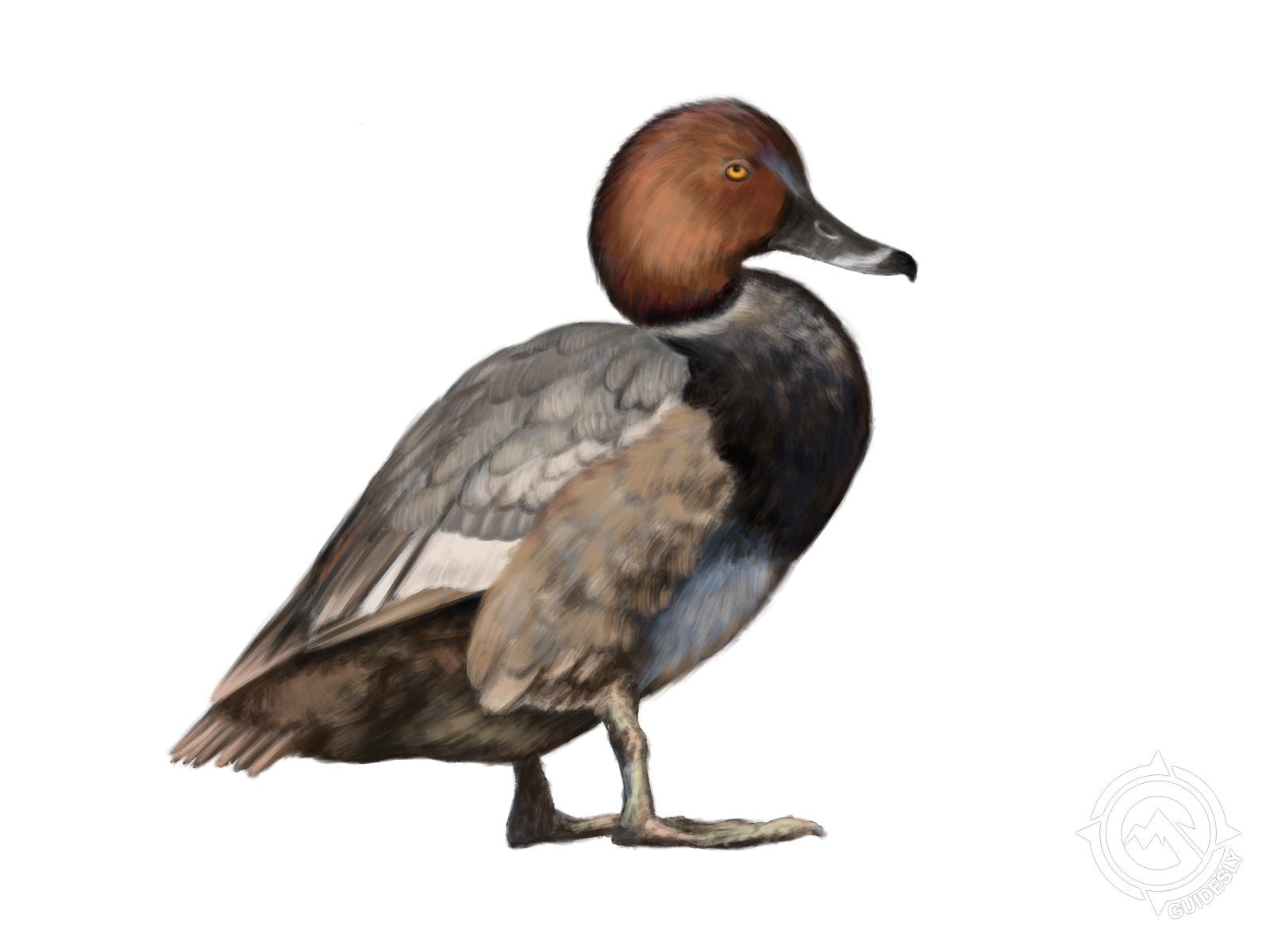 Redhead
- Morning waterfowl hunting targeting puddle ducks and divers
- USCG licensed captain provides professional guided experience
- Four-person capacity with complimentary duck cleaning service
Trip Pricing and Availabilities:
AM Duck Hunt - LAST HALF of Duck Season
Get ready for some serious waterfowl action with Captain Stephen Boriskie as your guide through the final weeks of duck season. This isn't just another hunt – it's your chance to capitalize on late-season birds when they're concentrated, predictable, and prime for the taking. We're talking early morning departure, professional blind setup, and all the decoy spreads you need to pull those puddle ducks and divers right into range. Cap'n Stephen knows these waters like the back of his hand and he'll have you positioned perfectly when shooting light breaks.
Inside the Hunt
This hunt kicks off before dawn with a boat ride to the morning's prime hunting grounds. We're not talking about a quick hop – expect an hour and a half journey to reach the sweet spots where ducks are actively working. Captain Stephen times everything perfectly, getting you to the hunting area with enough buffer to set up properly without rushing. Once we reach the spot, it's all hands on deck for blind preparation. Whether we're using a permanent blind or building a temporary setup, every hunter gets positioned for optimal shooting lanes. The decoy spread goes out strategically – Captain Stephen's been doing this long enough to know exactly where to place them for maximum attraction. The boat gets hidden, everyone settles into their positions, and we wait for that magic moment when shooting time opens. You'll need to bring your own shotgun and steel shot shells – no exceptions on the steel shot requirement. Chest waders are mandatory since you'll be working in and around water, and full camo including headwear is essential for staying hidden from sharp-eyed waterfowl.
Tracking Tips & Terrain
Late-season duck hunting is all about reading bird behavior and water conditions. By this point in the season, ducks have seen every decoy spread and heard every call, so they're warier and more selective about where they land. Captain Stephen positions hunters in areas where natural flight patterns intersect with feeding zones – places where ducks feel comfortable dropping in for breakfast. The terrain varies from fixed blinds built into marsh edges to portable setups constructed from natural vegetation. Steel shot is non-negotiable here, both for legal compliance and environmental responsibility. Your shooting technique needs to account for the boat-accessible hunting spots we use, which often means longer shots across open water. Captain Stephen handles all the duck cleaning and packaging afterward, so you can focus entirely on the hunt itself. Water and snacks are recommended since you'll be in the blind for several hours, and hydration becomes critical when you're layered up in waders and camo gear. The strict no-alcohol policy isn't just about safety – it's about maintaining sharp reflexes and clear judgment when birds are working the decoys.
Target Game Breakdown
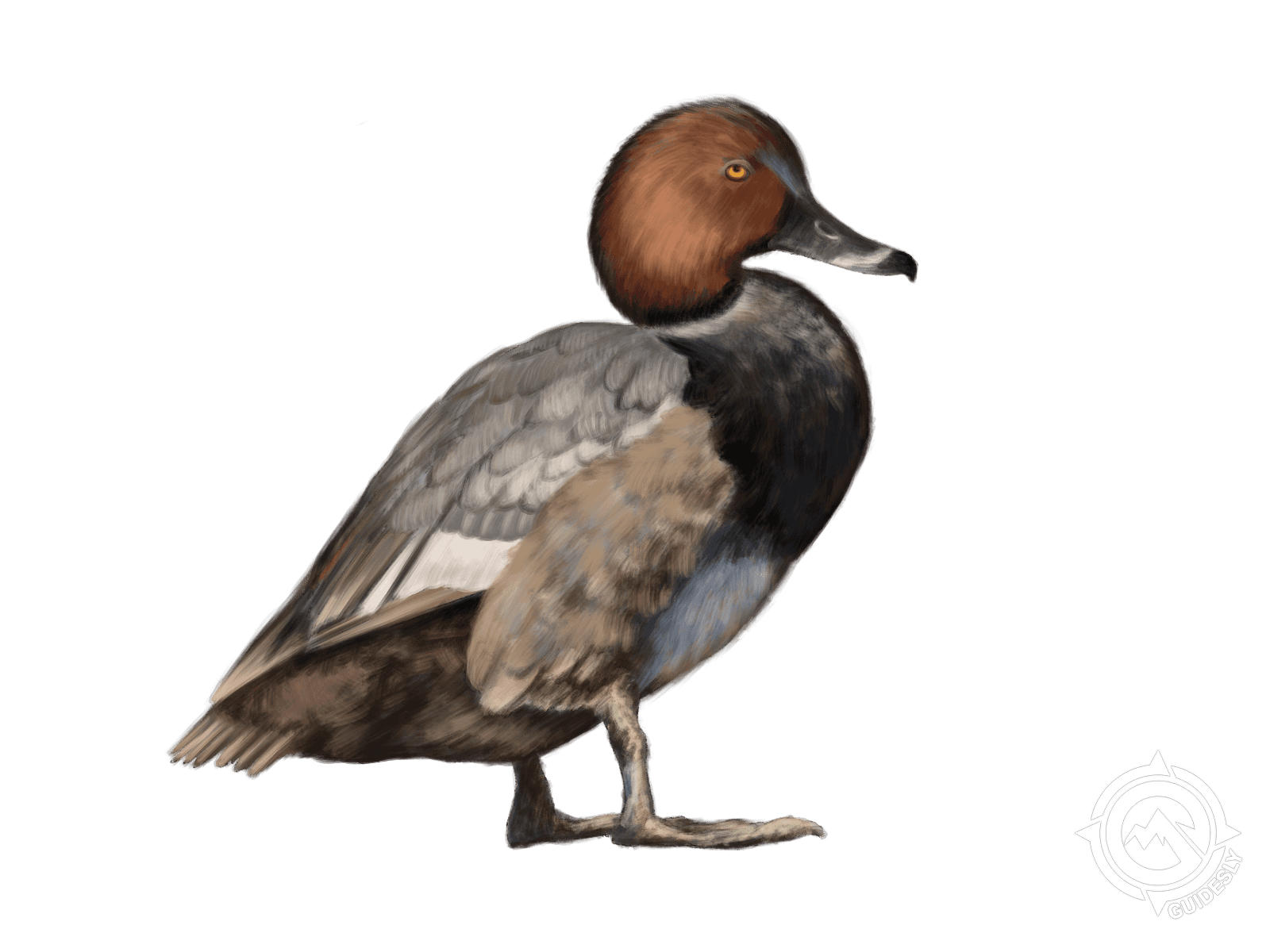
Redheads are the crown jewel of this late-season hunt, and for good reason. These diving ducks congregate in large rafts during the final weeks of the season, making them both spectacular to watch and challenging to hunt. Redheads are smart birds that require precise decoy placement and patient calling. When they commit to your spread, they come in fast and low, giving you split-second shooting opportunities. The drakes are absolutely gorgeous with their distinctive rusty-red heads and black breasts, while the hens sport subtle brown plumage that's equally beautiful. Late season is prime time for redheads because they're staging for migration, concentrating in areas with abundant food sources.
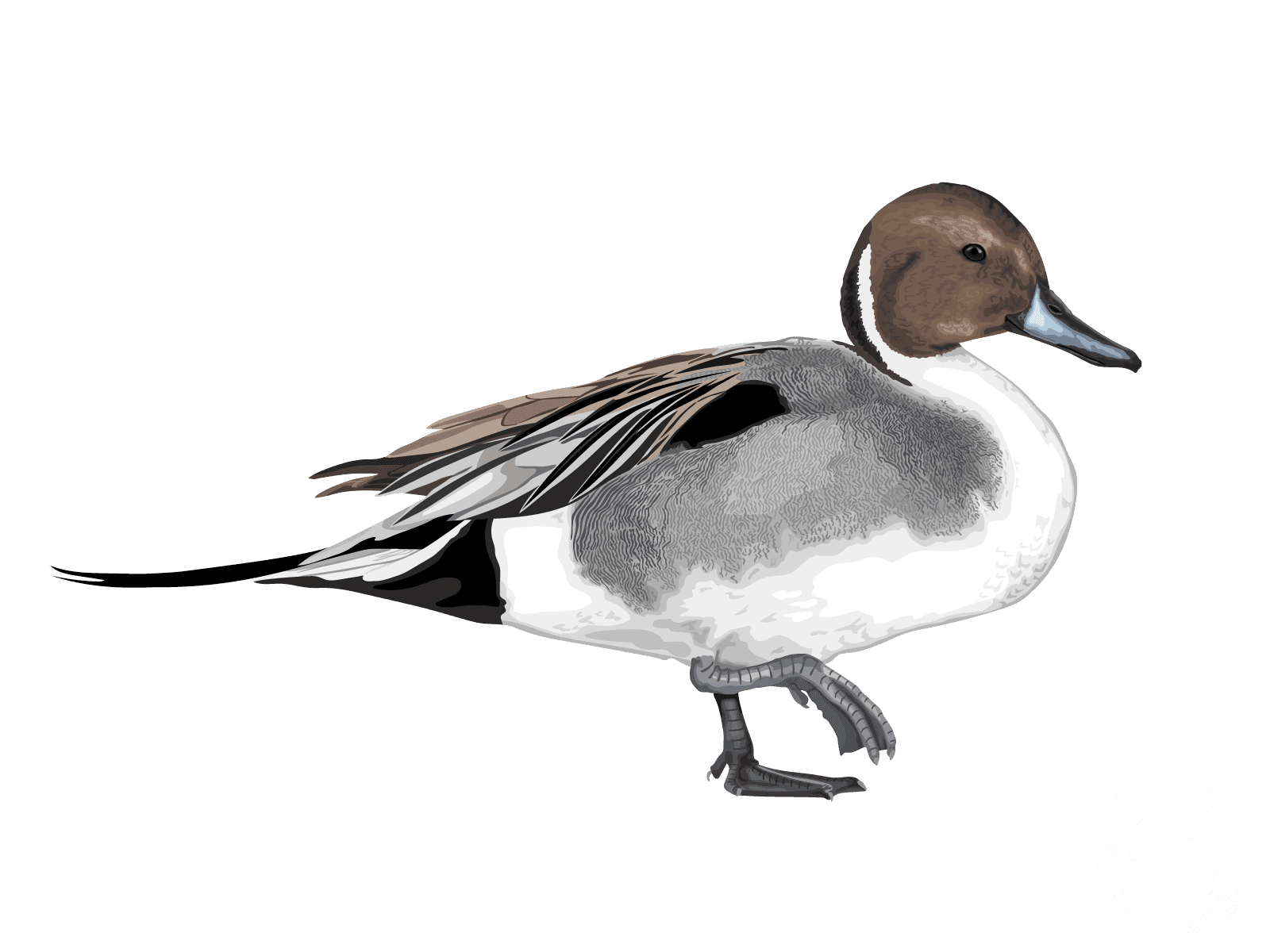
Northern Pintails bring elegance and challenge to every hunt. These birds are notorious for their wariness – they'll circle your spread multiple times before committing, testing your patience and calling skills. Pintails prefer shallow water areas where they can tip-feed, and Captain Stephen knows exactly where to find them during the late season push. The drakes are unmistakable with their chocolate-brown heads, white breast stripes, and those signature long tail feathers that give them their name. They're also some of the fastest ducks in the sky, requiring quick reflexes and accurate shooting when they finally decide to work your decoys.
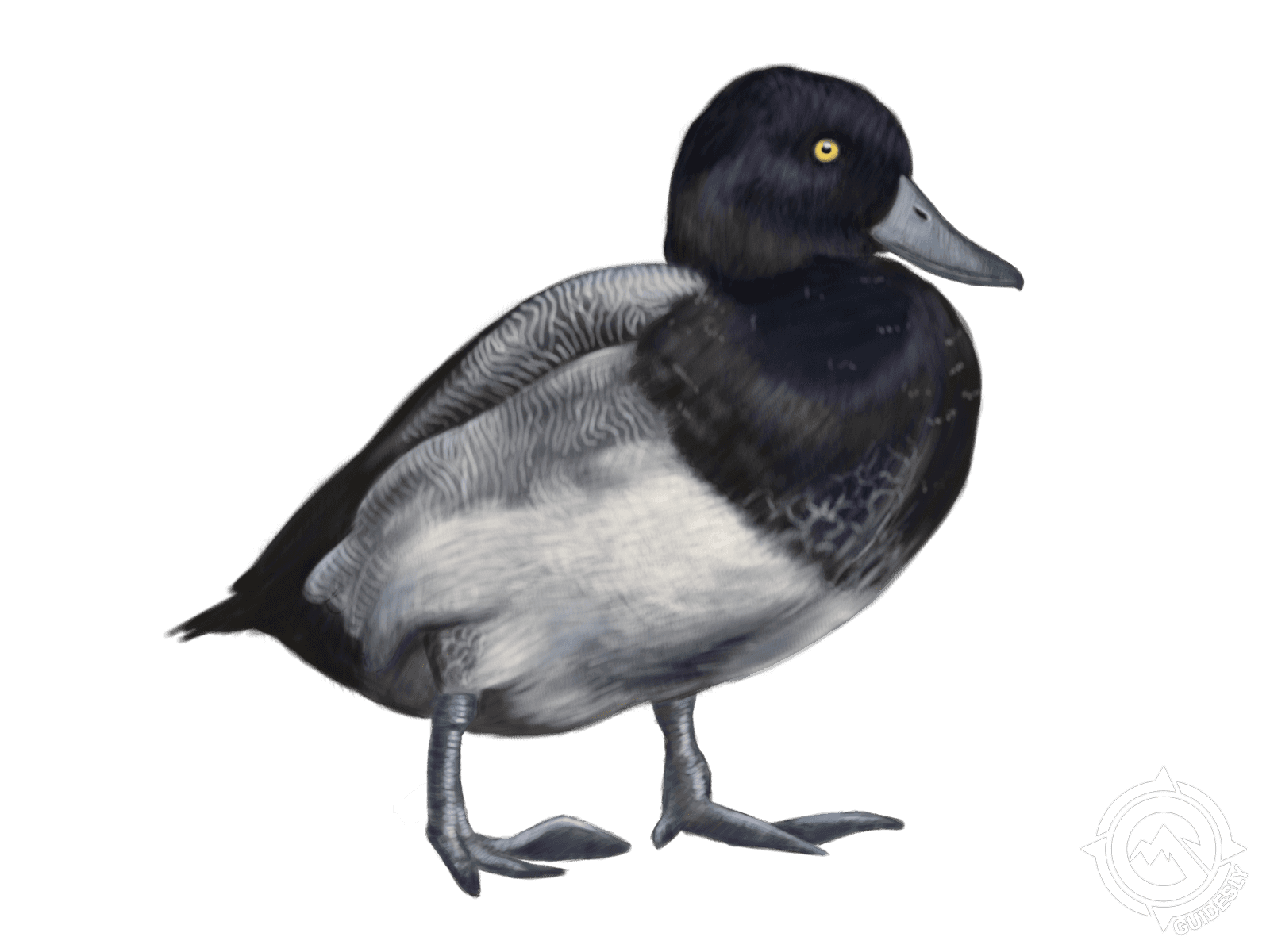
Lesser Scaup might be smaller diving ducks, but they make up for size with sheer numbers and aggressive feeding behavior. During late season, scaup form massive flocks that create some of the most exciting shooting opportunities you'll experience. They dive constantly, popping up in unexpected places around your spread and keeping everyone on their toes. The drakes show off striking black and white plumage that stands out beautifully against dark water, while their diving antics provide endless entertainment between shooting opportunities. Scaup are less finicky than other species, often committing quickly to well-placed decoy spreads.
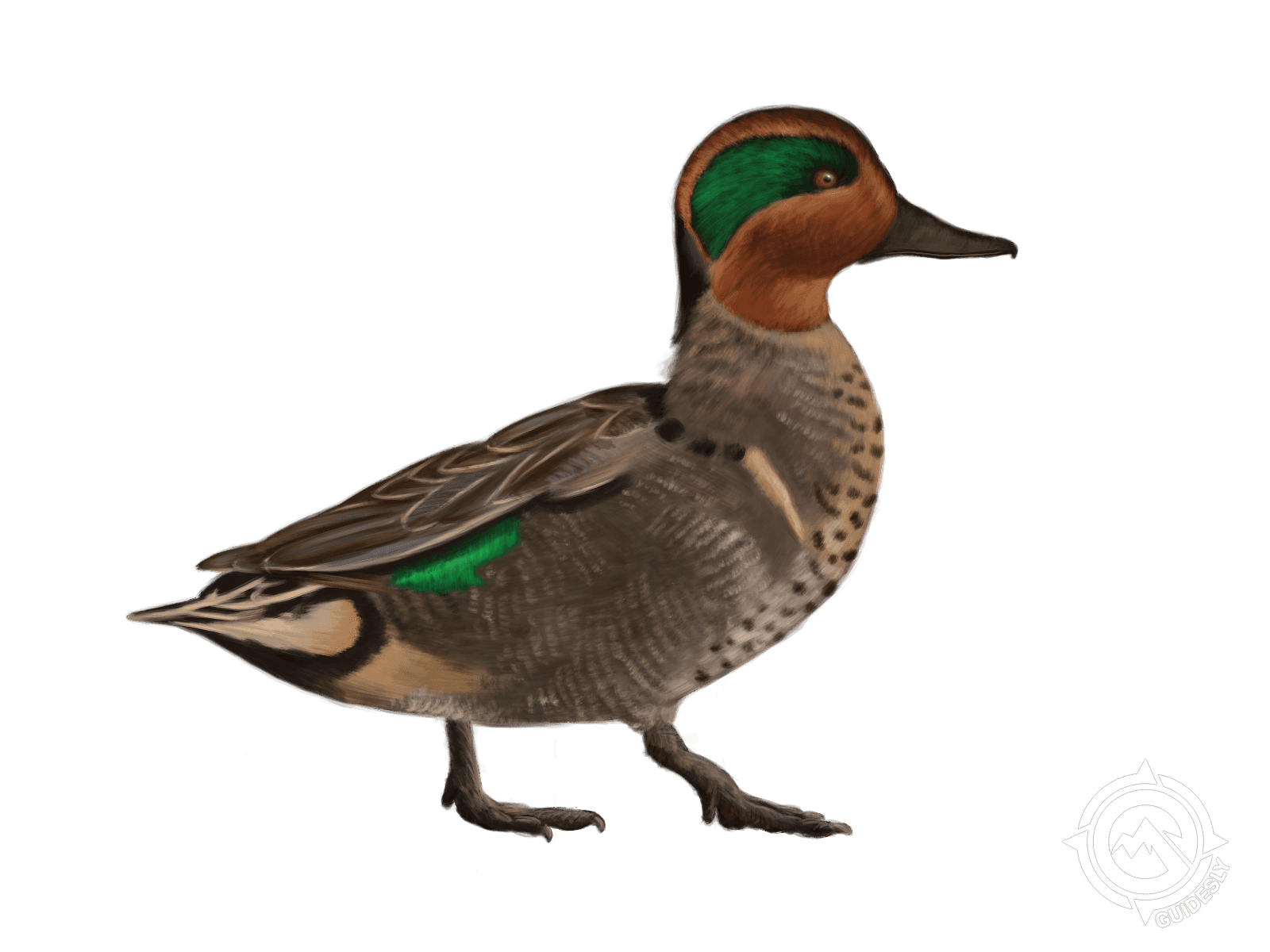
Green-winged Teal are the speed demons of the duck world, and late-season birds are particularly challenging. These small puddle ducks fly in tight formations, banking and turning with precision that'll leave you dizzy trying to track them. When teal decide to work your spread, they come in fast and low, often catching hunters off-guard with their sudden appearances. The drakes sport beautiful green patches on their wings that flash brilliantly in morning light, plus distinctive white vertical stripes along their sides. Teal hunting requires quick shooting and leads that account for their incredible speed – they're here one second and gone the next.
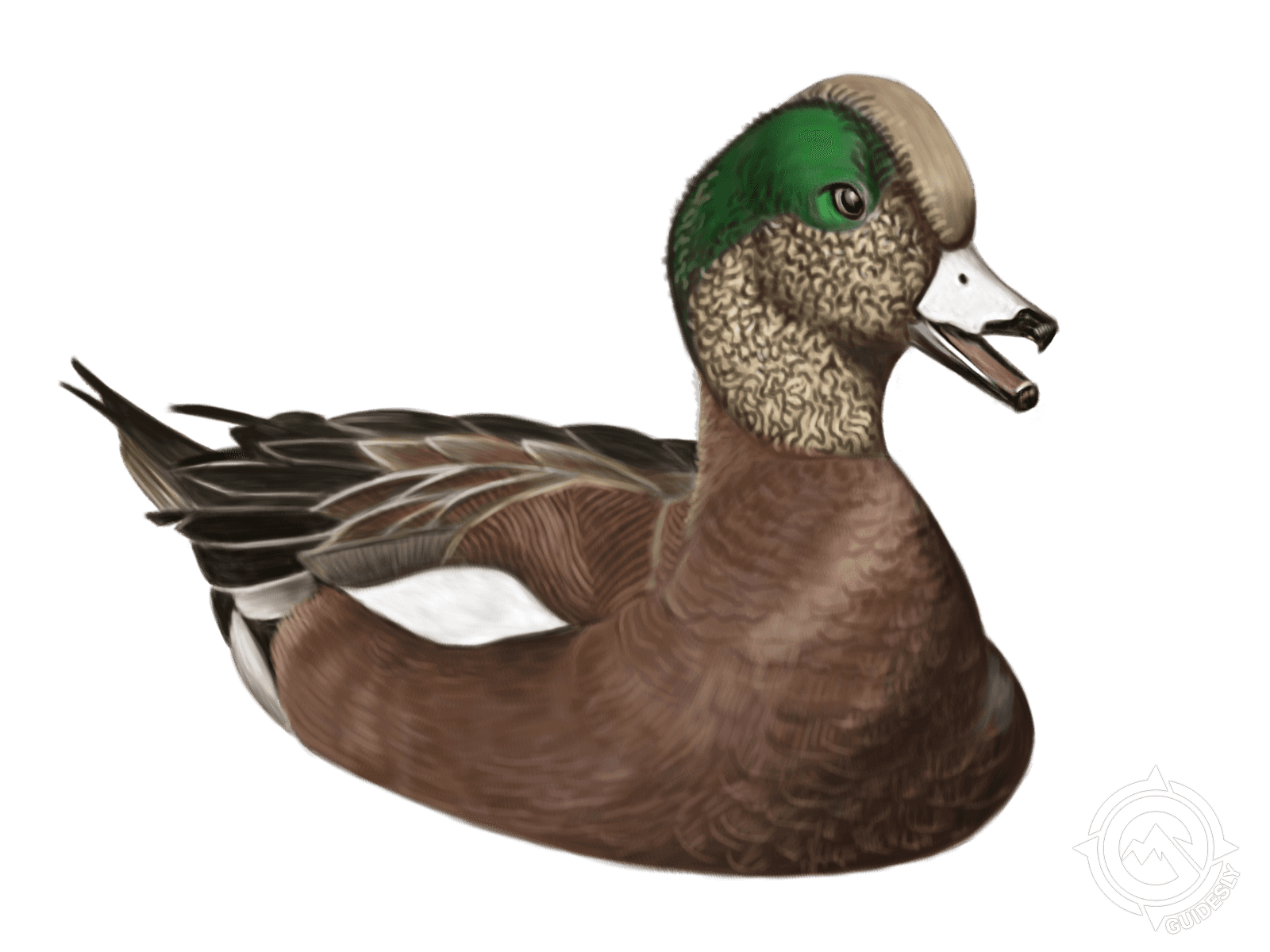
American Wigeon round out the target species list with their unique personality and feeding habits. Known as "baldpate" for the white crown stripe on mature drakes, wigeon are social birds that often follow other species to prime feeding areas. They're notorious for stealing food from diving ducks, earning them the nickname "poacher ducks." Late-season wigeon are particularly vocal, and their distinctive three-note whistle adds soundtrack to morning hunts. The drakes display beautiful rust-colored sides and that characteristic white cap, making them easy to identify in flight. Wigeon are more trusting than pintails but warier than scaup, requiring moderate calling and patience to work effectively.
Book Your Next Tag
Late-season duck hunting with Captain Stephen represents everything great about waterfowl hunting – professional guidance, prime locations,
Learn more about the animals
American Wigeon
American wigeon are medium-sized puddle ducks known for their distinctive whistling call and smart feeding habits. These birds run about 1.5 pounds and have a reputation for being opportunistic - they'll often steal food from diving ducks or follow coots around to grab vegetation they bring up. Wigeon prefer shallow bays, marsh edges, and flooded grass areas where they can graze on aquatic plants and algae. Peak hunting happens during migration periods, especially late October through December when cold snaps push birds south. Hunters appreciate wigeon for their responsive nature to calling and their willingness to work decoys when conditions are right. They're also quality table fare with a mild, slightly sweet flavor. The trick with wigeon is using their social nature against them - they love company, so a mixed spread with other puddle duck decoys will pull them in better than wigeon decoys alone.
Green-winged Teal
Green-winged teal are the smallest ducks we hunt, but don't let their size fool you - these little speedsters bring serious excitement to the blind. Drakes barely hit a pound, but they fly like fighter jets with quick turns and incredible acceleration that'll test your shooting skills. Teal love shallow water areas with lots of emergent cover - think cattail marshes, rice fields, and muddy pond edges where they dabble for seeds and small invertebrates. Early season is prime time, especially September and early October before the really cold weather hits. Hunters get hooked on teal because of the fast-paced action and their excellent eating qualities - sweet, mild meat that's hard to beat. The secret to consistent success is calling sparingly and keeping your decoys tight to shore in shallow water. Teal are curious but also quick to spook, so less movement and calling often works better.
Lesser Scaup
Lesser scaup are tough little diving ducks that show up in big rafts once the weather turns cold. These compact birds run about a pound and a half and are built for diving deep - we're talking 10-25 feet down where they hunt for mollusks, crustaceans, and aquatic insects. They prefer open water areas near deeper channels and drop-offs, making their best showing from mid-November through January. What gets hunters fired up about scaup is the fast action - when a flock commits, they come in low and quick, often giving you multiple shots. They're also pretty forgiving compared to other divers, making them great for newer hunters. The meat's decent too, though not as mild as some ducks. The trick with scaup is patience - set up near their travel routes between roosting and feeding areas, and they'll eventually work your spread.
Northern Pintail
Northern pintails are elegant, long-necked puddle ducks that bring real class to any morning hunt. These birds average about 2 pounds and are built for speed with those sleek lines and distinctive pointed tails on the drakes. Pintails love shallow marshes, flooded fields, and mudflats where they can tip up to feed on seeds and aquatic plants. Early season and cold fronts bring the best action, especially when north winds push fresh birds down from Canada. Hunters love pintails because they're challenging - these ducks are spooky and have sharp eyes that spot poor concealment fast. They also taste fantastic, ranking among the best waterfowl for the table. My go-to trick for pintails is keeping your decoy spread simple with plenty of open water - they like room to land and hate crowded setups.
Redhead
Redheads are solid medium-sized diving ducks that really know how to work the deeper waters. These birds prefer 6-15 feet of water where they can dive down for aquatic plants and invertebrates. You'll find them around submerged vegetation beds and drop-offs, especially during late fall and winter months when they're moving through in good numbers. What makes redheads special is their wariness - they're smart birds that will test your setup and calling skills. The drakes have that distinctive rusty-red head that's hard to miss, and they make excellent table fare with a mild, clean taste. The key to getting them committed is mixing your decoy spread with both divers and some puddle duck blocks - redheads often follow other species into the spread, so variety works in your favor.
About the One More Cast
%2F%2Fusers%2F7cb0a14f-4a09-4406-98bc-5dca68d88a2b%2Fvehicle_picture%2Fscreenshot2026-09-03at1.02.54pm-mtn8yfu0.jpeg&w=1920&q=75)
Vehicle Guest Capacity: 4
Manufacturer Name: Evinrude
Maximum Cruising Speed: 42
Number of Engines: 1
Horsepower per Engine: 200