%2Ffit-in%2F250x250%2Fguide_websites%2F55243%2Fimages%2F1789141028554chatgptimagesep11202610_36_41am.png&w=1920&q=100)
/users/7cb0a14f-4a09-4406-98bc-5dca68d88a2b/ratecard/cuppingduckslogo-mtvv1wsm.png)
%2F300x300%2Fusers%2F7cb0a14f-4a09-4406-98bc-5dca68d88a2b%2Fratecard%2Fcuppingduckslogo-mtvv1wsm.png&w=256&q=75)
%2F300x300%2Fusers%2F7cb0a14f-4a09-4406-98bc-5dca68d88a2b%2Fimages%2Fsunset-cruise-port-oconnor-texas-2576.jpeg&w=256&q=75)
%2F300x300%2Fusers%2F7cb0a14f-4a09-4406-98bc-5dca68d88a2b%2Fimages%2Ftexas-fishing-tour-cruises-2925.jpeg&w=256&q=75)
%2F300x300%2Fusers%2F7cb0a14f-4a09-4406-98bc-5dca68d88a2b%2Fimages%2Fredfish-catch-tx-2570.jfif&w=256&q=75)
%2F300x300%2Fusers%2F7cb0a14f-4a09-4406-98bc-5dca68d88a2b%2Fimages%2Fthrilling-tx-outdoor-excursions-2325.jfif&w=256&q=75)
%2F300x300%2Fusers%2F7cb0a14f-4a09-4406-98bc-5dca68d88a2b%2Fimages%2Fthrilling-fishing-tx-2328.jfif&w=256&q=75)
%2F300x300%2Fusers%2F7cb0a14f-4a09-4406-98bc-5dca68d88a2b%2Fimages%2Fbest-tx-fishing-getaway-2398.jfif&w=256&q=75)
%2F300x300%2Fusers%2F7cb0a14f-4a09-4406-98bc-5dca68d88a2b%2Fimages%2Foutdoor-fun-port-oconnor-2470.jfif&w=256&q=75)
%2F300x300%2Fusers%2F7cb0a14f-4a09-4406-98bc-5dca68d88a2b%2Fimages%2Fport-oconnor-fishing-trip-2293.jfif&w=256&q=75)
%2F300x300%2Fusers%2F7cb0a14f-4a09-4406-98bc-5dca68d88a2b%2Fimages%2Fport-oconnor-fishing-tour-2284.jpg&w=256&q=75)
%2F300x300%2Fusers%2F7cb0a14f-4a09-4406-98bc-5dca68d88a2b%2Fimages%2Ftx-fishing-getaway-2366.jpeg&w=256&q=75)
PM Duck Hunt - LAST HALF of Duck Season
 Port O'Connor
What you will be catching:
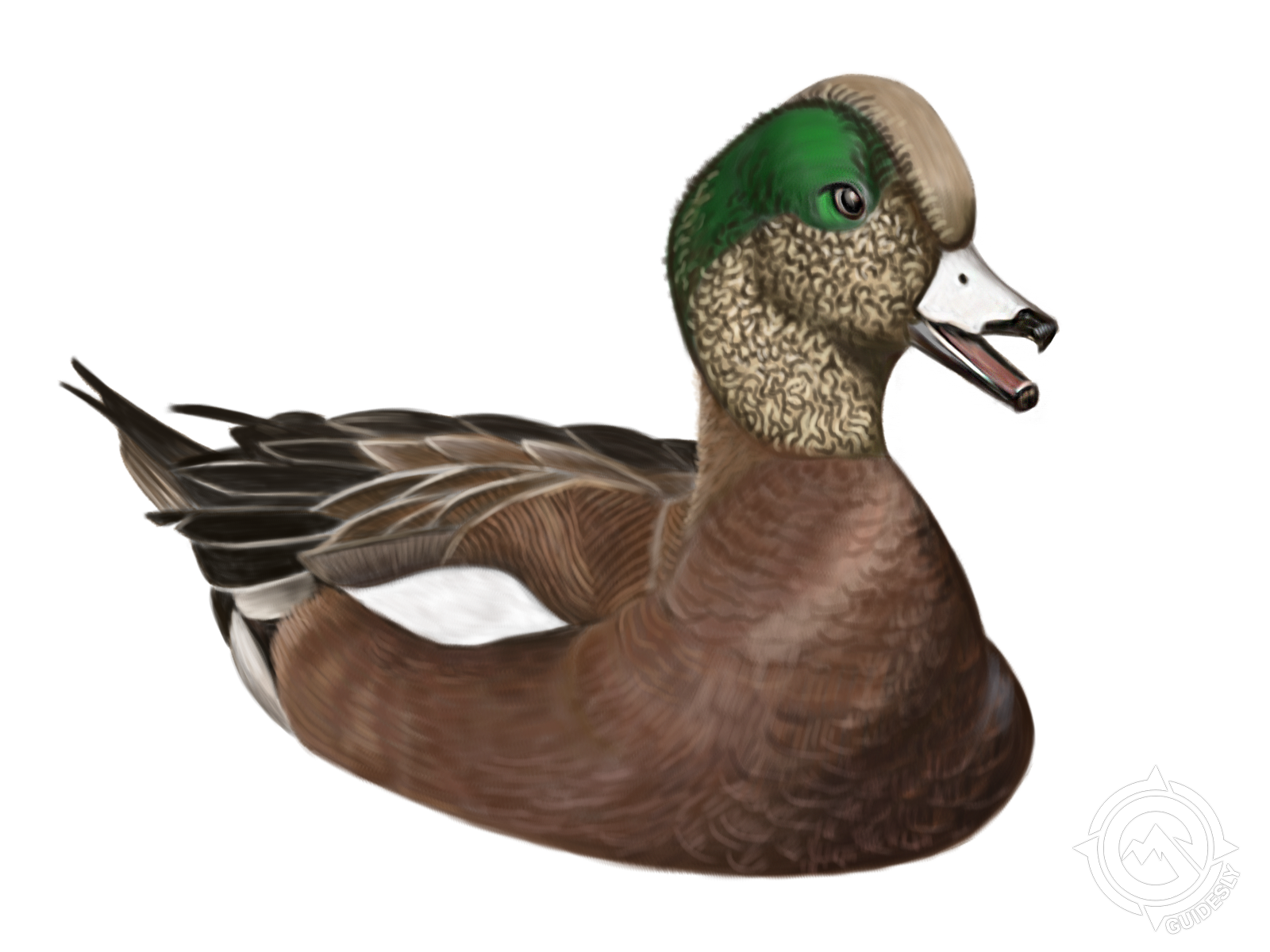 American Wigeon
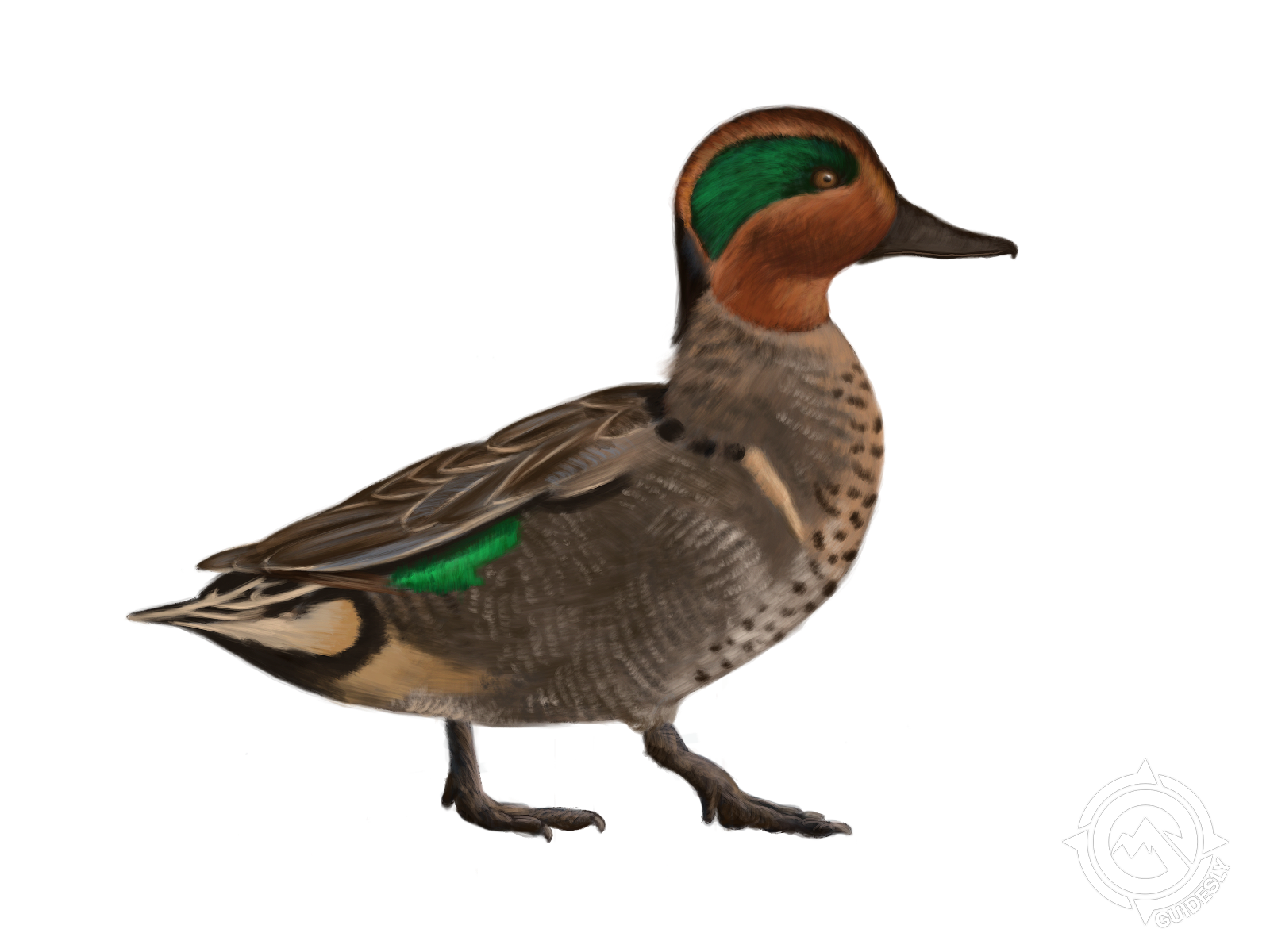 Green-winged Teal
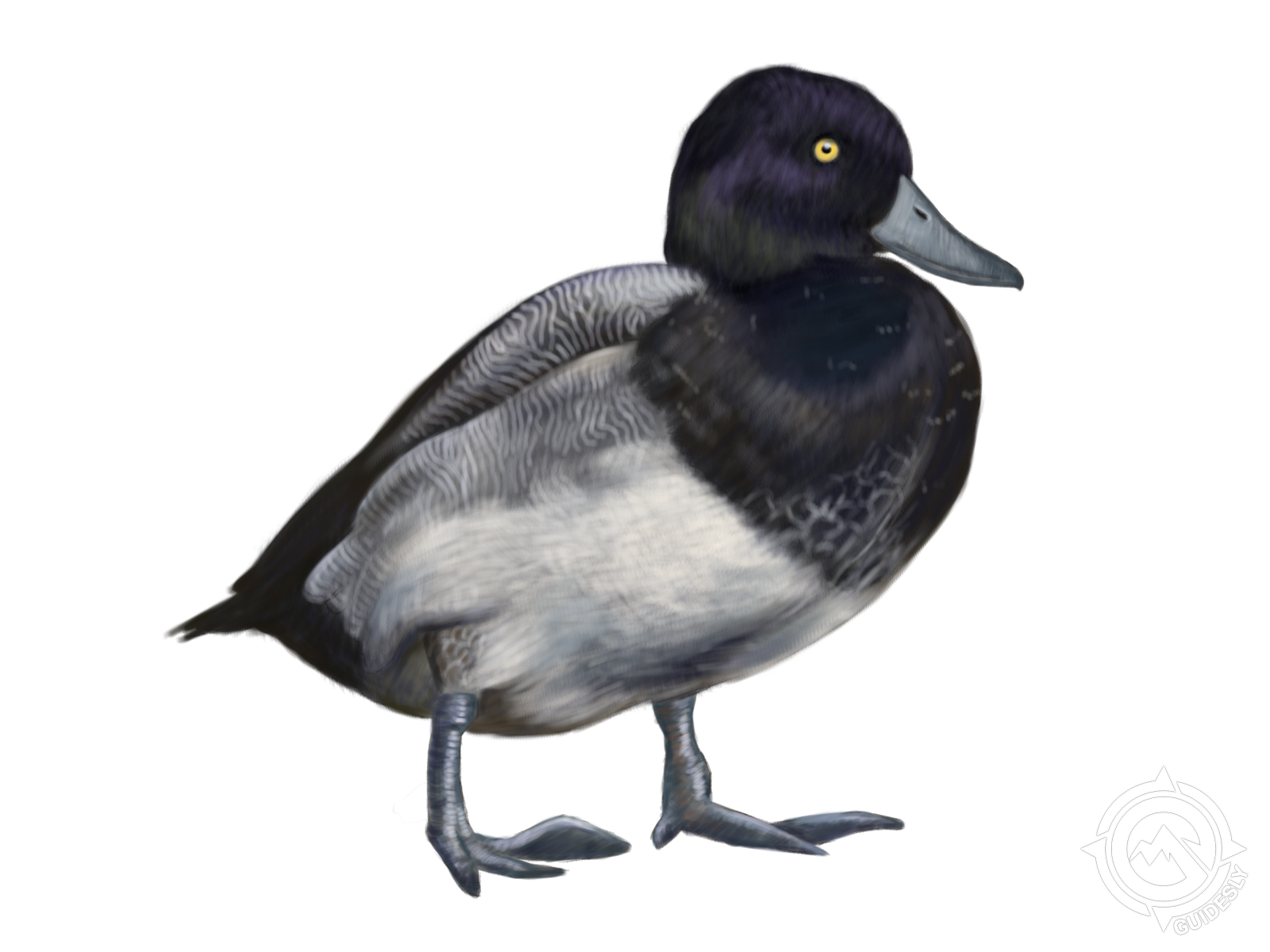 Lesser Scaup
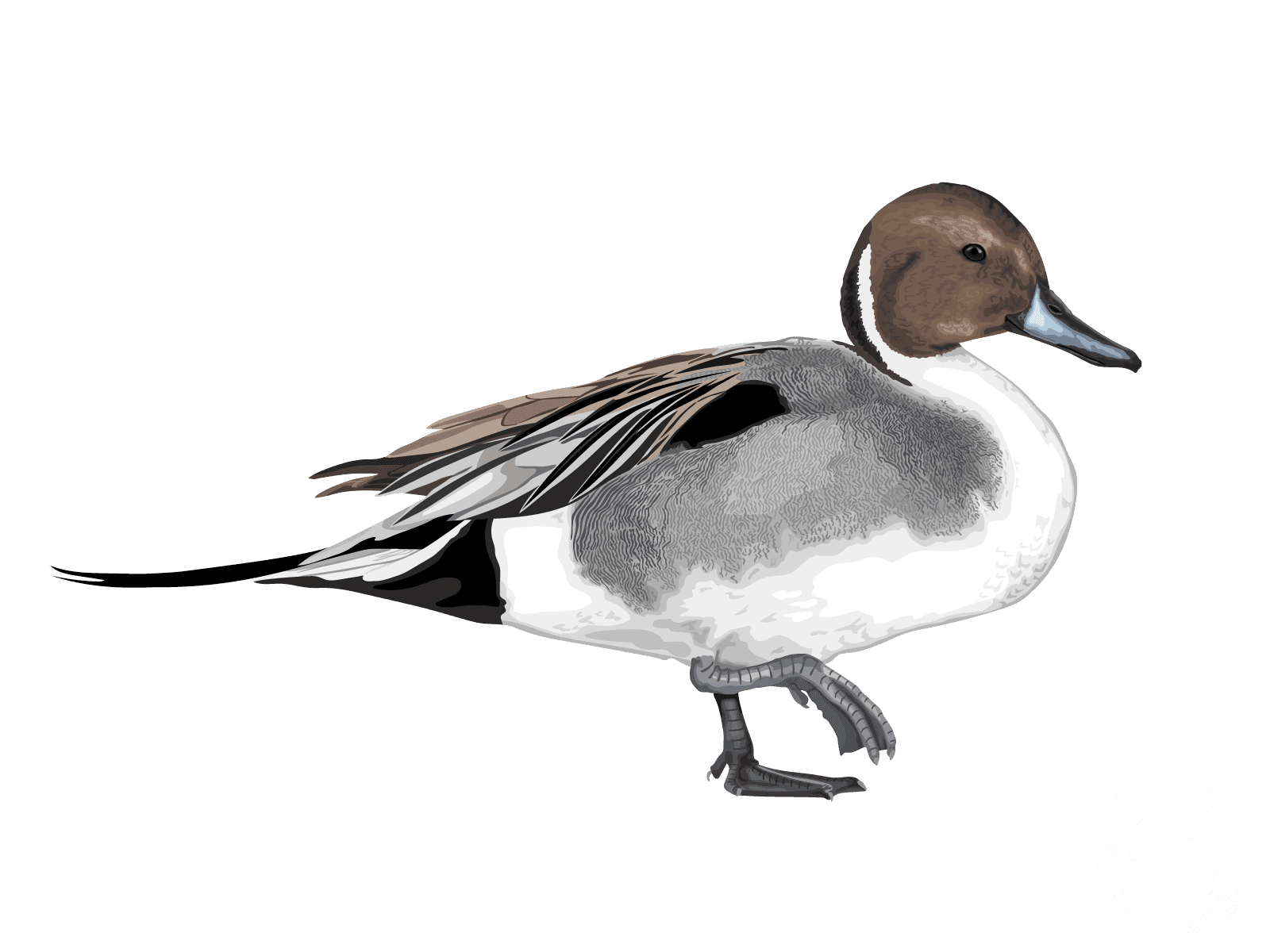
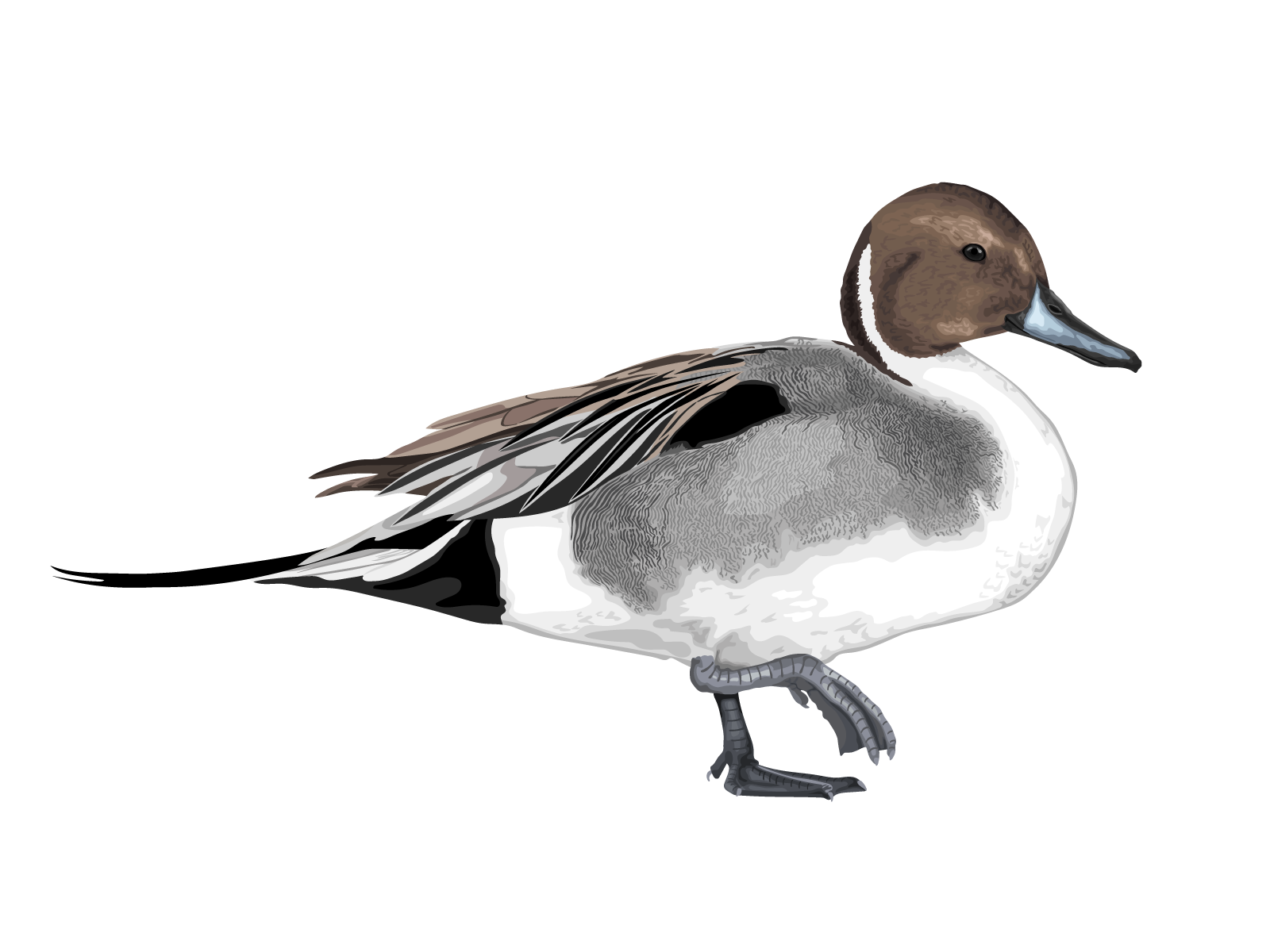 Northern Pintail
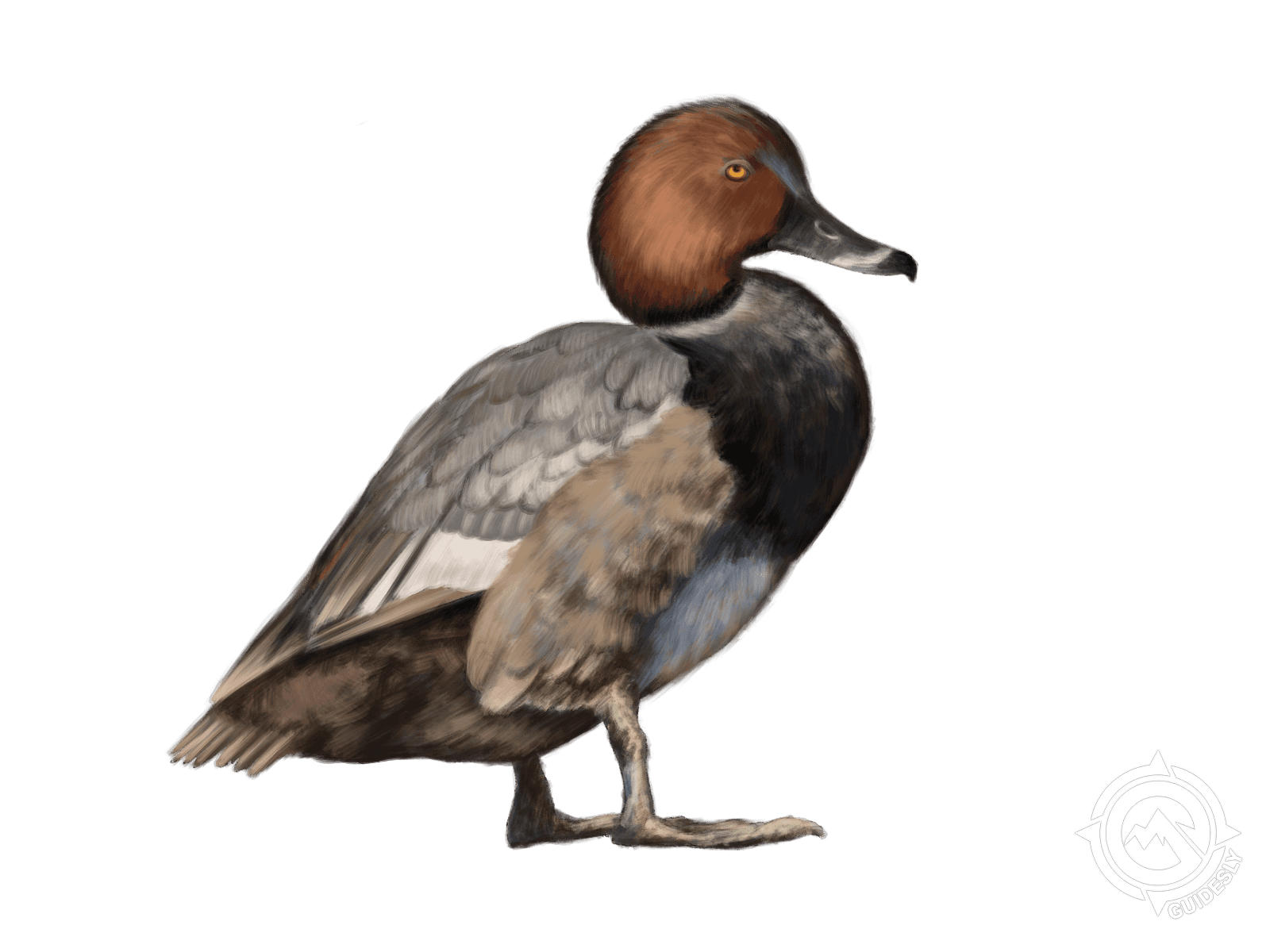
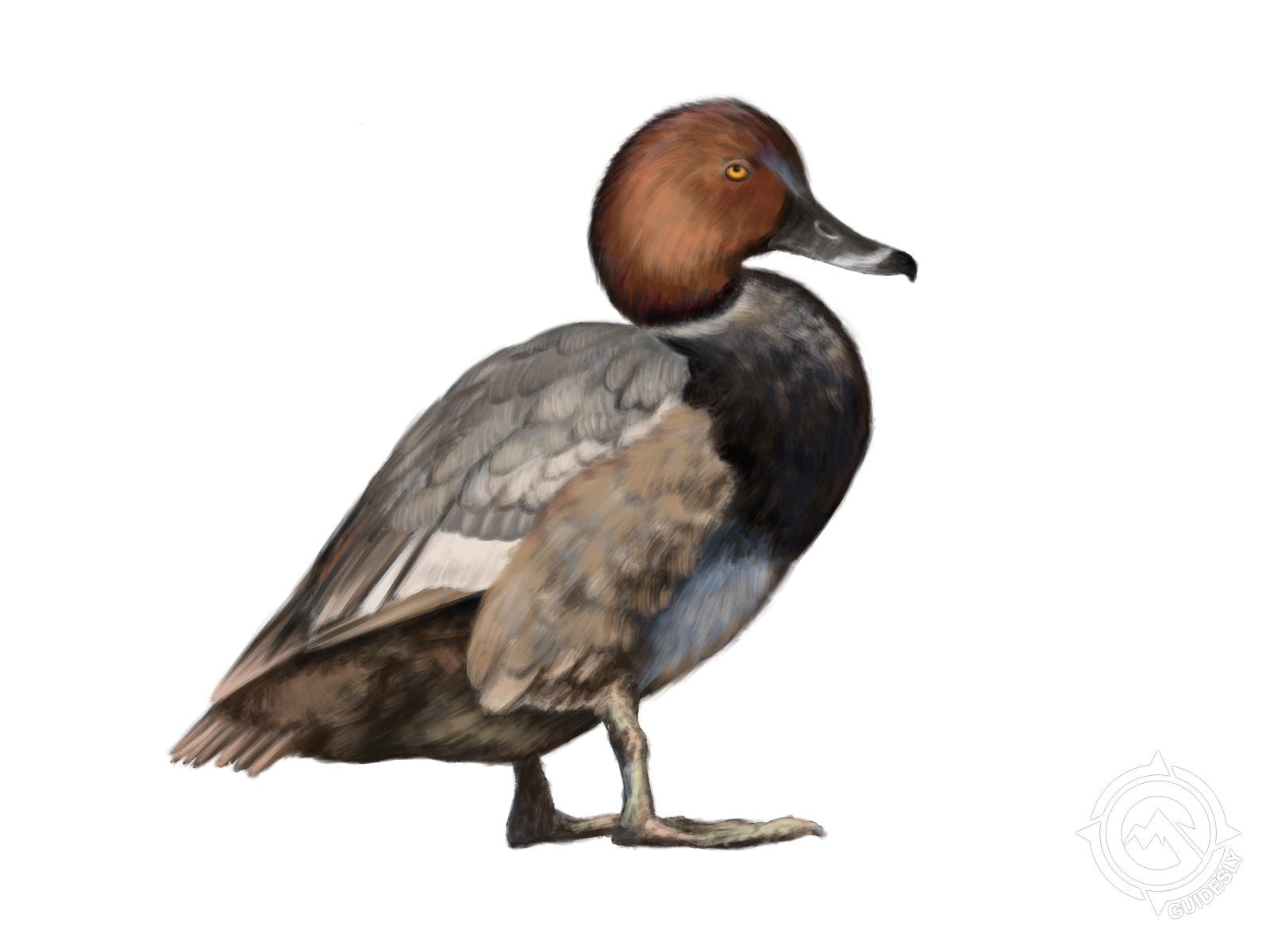 Redhead
- Afternoon hunt targets puddle ducks and divers
- Licensed captain provides navigation and cleaning services
- Maximum four guests with strict safety protocols
Trip Pricing and Availabilities:
PM Duck Hunt - LAST HALF of Duck Season
Looking for a solid afternoon waterfowl hunt before the season wraps up? Captain Stephen Boriskie knows exactly where the ducks are hanging out during this final stretch, and he's ready to put you on some quality birds. This isn't some fancy resort setup - it's real hunting with a captain who's been working these waters for years and knows how to read the conditions. You'll be targeting puddle ducks and divers from a proper blind setup, and when the afternoon flight starts moving, you'll understand why hunters keep coming back for more.
Inside the Hunt
This is an afternoon hunt, which means you're hitting prime time when waterfowl are making their evening moves. Captain Stephen runs a tight operation - he's USCG licensed and knows these waters like the back of his hand. You'll meet at the boat ramp and head out to established blind locations where the ducks have been working. The setup accommodates up to four hunters, so you're looking at a small group with plenty of room to work. The captain handles all the scouting and knows where birds have been feeding and roosting. During the last half of duck season, these birds have seen plenty of pressure, so they're educated and the hunting gets more challenging - but that's what makes it rewarding when everything comes together.
Tracking Tips & Terrain
You're hunting from blinds positioned in prime waterfowl habitat, and Captain Stephen has done his homework on where birds are moving. The terrain varies from shallow feeding areas to deeper water where divers like to work. Steel shot is mandatory - no exceptions - and you'll want to bring your own shotgun along with plenty of shells. Chest waders are essential since you'll be working in and around water all afternoon. Full camo is required, including a hat to break up your outline. The ducks in this area have been pressured all season, so concealment matters more than ever. Bring water and snacks for the blind since you'll be out there for several hours. One thing Captain Stephen is absolutely clear about - no alcohol before, during, or after the hunt. Safety comes first, and that means staying sharp from start to finish.
Target Game Breakdown
Redheads are diving ducks that really turn it on during late season. These chunky birds prefer deeper water and feed on aquatic vegetation and small mollusks. They're strong fliers that come into decoy spreads fast, and when they commit, they really commit. Redheads can weigh up to three pounds and make excellent table fare. During the last half of duck season, they're often found in large rafts in open water, making them a top-rated target for hunters who know where to look.
Northern Pintails are elegant puddle ducks with distinctive long necks and pointed tails. These birds are wary and quick to spook, making them a real challenge for hunters. They feed in shallow water on seeds and aquatic plants, often tipping forward to reach food. Pintails are early migrants, but the ones still around during late season tend to be local birds that know the area well. They're fast fliers that can change direction quickly, keeping hunters on their toes.
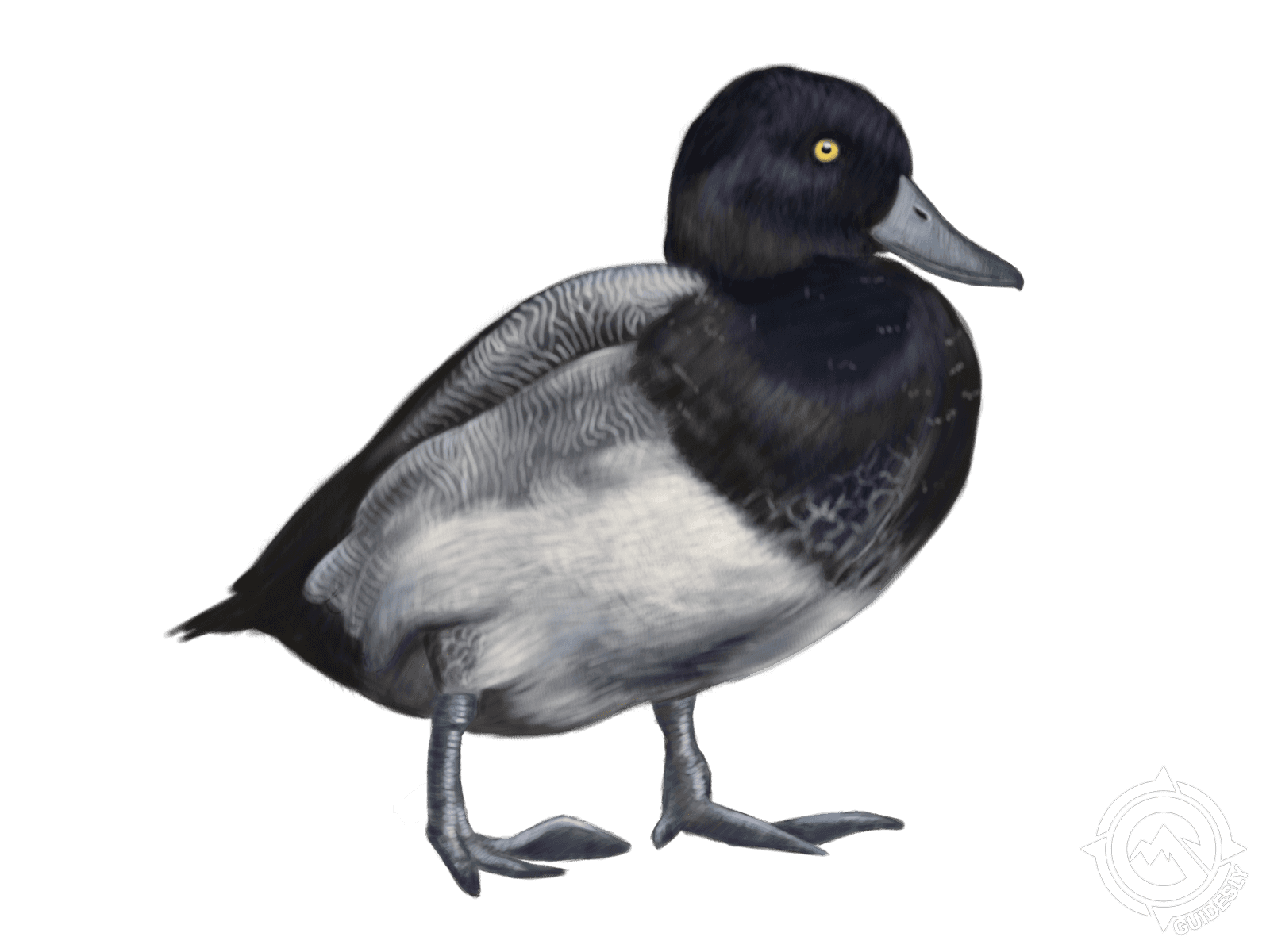
Lesser Scaup are classic diving ducks that bunch up in good numbers during late season. They're smaller than Redheads but make up for it with their willingness to work decoys. These birds dive deep for aquatic insects and small fish, and they're often found in mixed flocks with other divers. Lesser Scaup have a distinctive black and white pattern that makes them easy to identify, and they're known for coming back to the same feeding areas day after day.
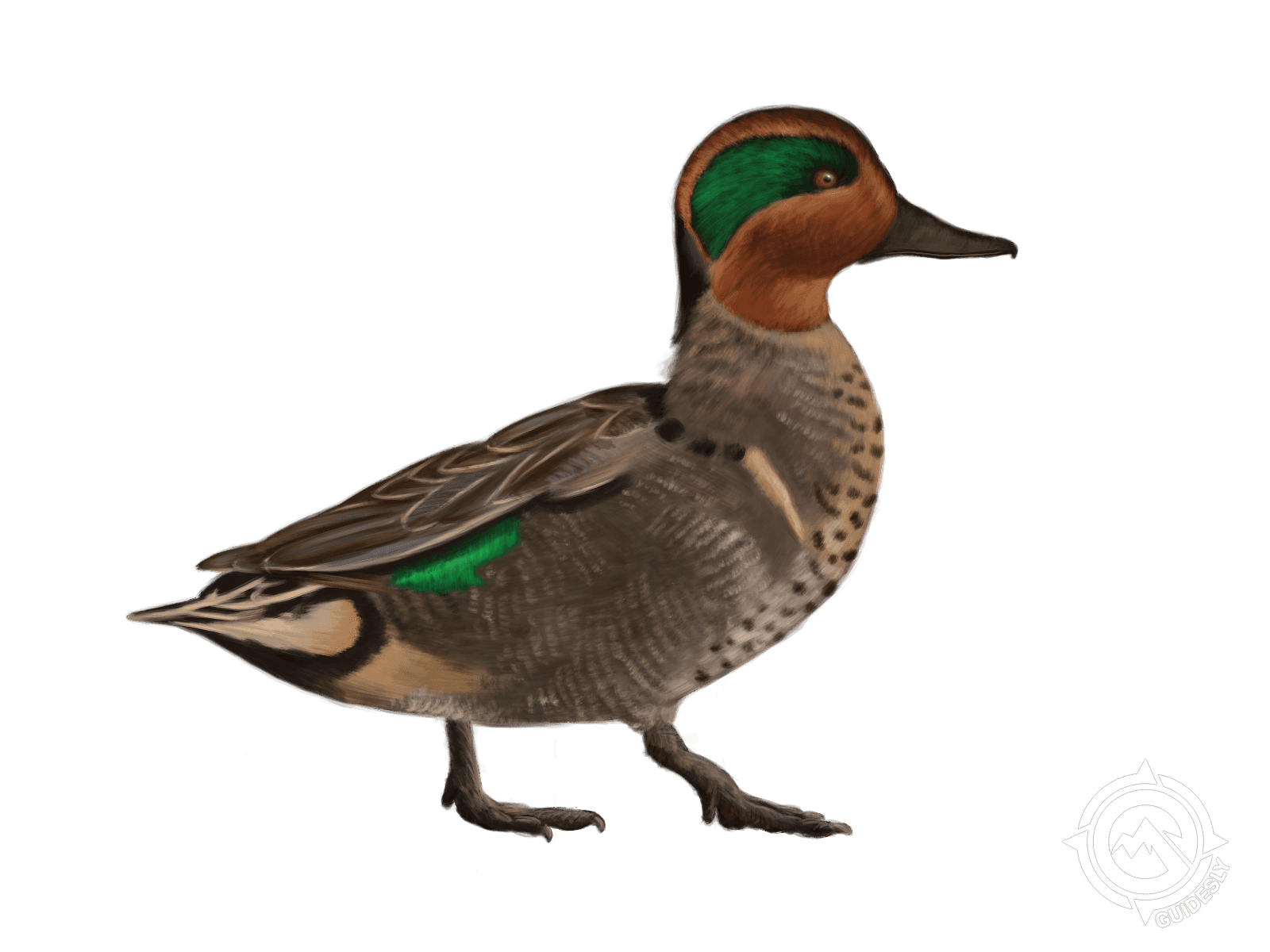
Green-winged Teal are the smallest ducks you'll encounter, but don't let their size fool you. These zippy little puddle ducks are incredibly fast and agile, making them a customer favorite for hunters who like a challenge. They feed in shallow water on seeds and small invertebrates. Green-winged Teal are known for their erratic flight patterns and their ability to turn on a dime. During late season, they often travel in small groups and can appear suddenly over the decoys.
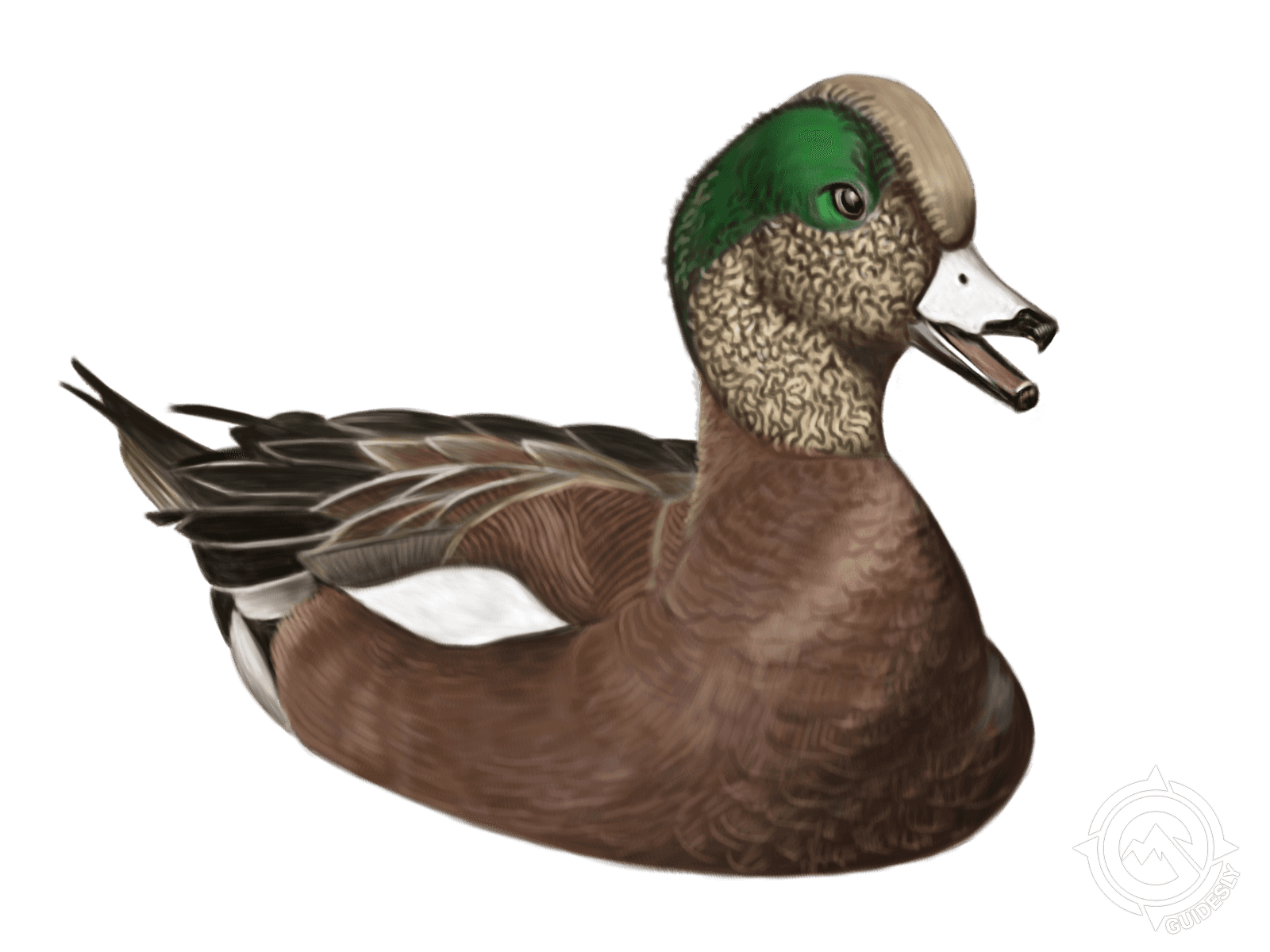
American Wigeon are grazers that spend a lot of time feeding on aquatic vegetation. These puddle ducks have a distinctive white crown that's easy to spot, and they make a unique whistling call that hunters learn to recognize. Wigeon are social birds that often travel in good-sized flocks. They're known for their habit of stealing food from diving ducks - they'll wait for divers to surface with vegetation and then grab it away. During the last half of duck season, they're often found in areas with plenty of aquatic grass beds.
Book Your Next Tag
Late season waterfowl hunting is when everything you've learned gets put to the test. The birds are smart, the weather can be tough, and success feels that much sweeter. Captain Stephen provides the local knowledge and boat access you need, plus he'll clean and bag your birds at the end of the day. This world-class hunting opportunity during the final weeks of duck season doesn't last long, and spots fill up fast. If you're ready for some genuine waterfowl hunting with a captain who knows how to put you on birds, now's the time to secure your dates before the season closes.
Learn more about the animals
American Wigeon
American wigeon are medium-sized puddle ducks known for their distinctive whistling call and white crown patch on the males. They're grazers that love shallow marshes and flooded grass fields where they can feed on aquatic vegetation and waste grain. Wigeon are social birds that often travel in mixed flocks with other species, making them a regular part of good duck hunts. They're particularly active during late afternoon feeds, which works perfect for our evening hunts. Hunters enjoy wigeon because they decoy well and provide steady action throughout the season. The meat quality is excellent - they're vegetarians so the flavor is clean and mild. These birds are also vocal, so calling can really help bring them in. My trick with wigeon is to mix some pintail and mallard decoys in your spread since they often associate with other puddle ducks. Their curiosity usually gets the better of them.
Green-winged Teal
Green-winged teal are the smallest ducks we hunt, but don't let their size fool you - they're fast, fun, and fantastic eating. These little puddle ducks love shallow, muddy areas with lots of cover where they can feed on seeds and small invertebrates. They're early migrants but stick around through the whole season if food and water hold out. What makes teal hunting special is their speed and unpredictability - they'll buzz the decoys like fighter jets, often in tight flocks. The shooting can be challenging but rewarding. Their meat is considered some of the best waterfowl you can eat, mild and tender. Since they're small, most hunters try to get limits when the opportunity presents itself. Best tip for teal: use smaller decoys and don't be afraid to shoot fast. They commit quickly but they're gone just as fast if you hesitate.
Lesser Scaup
Lesser scaup are compact diving ducks that show up in good numbers during late season, especially when the weather turns nasty. They're smaller than redheads but make up for it with their willingness to work decoys in tight flocks. You'll find them in deeper marsh pockets, channels, and open bays where they dive for mollusks, aquatic insects, and plant matter. They prefer 4-8 feet of water typically. What's great about scaup is they're social birds - when you get one flock interested, others often follow. The action can get fast when conditions are right. They're solid on the table too, though not quite as mild as some puddle ducks. The key with scaup is motion in your spread - they respond well to jerk strings or spinning wing decoys. Set up in their travel corridors between roosting and feeding areas, usually along deeper edges.
Northern Pintail
Northern pintails are elegant puddle ducks with long necks and that distinctive pointed tail. They're bigger than most dabblers, running around 2 pounds, and they love shallow marshes and flooded fields where they can tip up to feed on seeds and vegetation. These birds show up early in the season but really shine during cold weather migrations. Pintails are cautious by nature - they'll flare at the slightest movement and prefer lots of open water around them. Hunters love them for their size, beautiful plumage, and excellent table fare. They're also a challenge to decoy since they're naturally skittish. My advice: give them plenty of room in your decoy spread with big open pockets. Use a higher ratio of hen calls and keep your head down - pintails have sharp eyes and will pick you out of a blind faster than most ducks.
Redhead
Redheads are classic diving ducks that love deeper water, usually 6-12 feet where they can dive for aquatic vegetation and invertebrates. These medium-sized ducks are stockier than your average puddle duck and prefer open bays and larger marshes with good visibility. Late season hunts are prime time since they migrate through in solid numbers during cold snaps. What makes them special is their wariness - they're smart birds that circle multiple times before committing to decoys. Hunters appreciate their size and the challenge they present. The meat is top-notch, cleaner tasting than most divers since they feed heavily on plants. Pro tip: set your decoys in deeper pockets and be patient. Redheads will work your spread, but they take their time doing it. Keep still and let them come to you.
About the One More Cast
%2F%2Fusers%2F7cb0a14f-4a09-4406-98bc-5dca68d88a2b%2Fvehicle_picture%2Fscreenshot2026-09-03at1.02.54pm-mtn8yfu0.jpeg&w=1920&q=75)
Vehicle Guest Capacity: 4
Manufacturer Name: Evinrude
Maximum Cruising Speed: 42
Number of Engines: 1
Horsepower per Engine: 200