%2Ffit-in%2F250x250%2Fguide_websites%2F55243%2Fimages%2F1789141028554chatgptimagesep11202610_36_41am.png&w=1920&q=100)
/users/7cb0a14f-4a09-4406-98bc-5dca68d88a2b/ratecard/screenshot2025-09-12at10.44.31pm-mtvsxtuj.png)
%2F300x300%2Fusers%2F7cb0a14f-4a09-4406-98bc-5dca68d88a2b%2Fratecard%2Fscreenshot2025-09-12at10.44.31pm-mtvsxtuj.png&w=256&q=75)
%2F300x300%2Fusers%2F7cb0a14f-4a09-4406-98bc-5dca68d88a2b%2Fimages%2Fsunset-cruise-port-oconnor-texas-2576.jpeg&w=256&q=75)
%2F300x300%2Fusers%2F7cb0a14f-4a09-4406-98bc-5dca68d88a2b%2Fimages%2Ftexas-fishing-tour-cruises-2925.jpeg&w=256&q=75)
%2F300x300%2Fusers%2F7cb0a14f-4a09-4406-98bc-5dca68d88a2b%2Fimages%2Fredfish-catch-tx-2570.jfif&w=256&q=75)
%2F300x300%2Fusers%2F7cb0a14f-4a09-4406-98bc-5dca68d88a2b%2Fimages%2Fthrilling-tx-outdoor-excursions-2325.jfif&w=256&q=75)
%2F300x300%2Fusers%2F7cb0a14f-4a09-4406-98bc-5dca68d88a2b%2Fimages%2Fthrilling-fishing-tx-2328.jfif&w=256&q=75)
%2F300x300%2Fusers%2F7cb0a14f-4a09-4406-98bc-5dca68d88a2b%2Fimages%2Fbest-tx-fishing-getaway-2398.jfif&w=256&q=75)
%2F300x300%2Fusers%2F7cb0a14f-4a09-4406-98bc-5dca68d88a2b%2Fimages%2Foutdoor-fun-port-oconnor-2470.jfif&w=256&q=75)
%2F300x300%2Fusers%2F7cb0a14f-4a09-4406-98bc-5dca68d88a2b%2Fimages%2Fport-oconnor-fishing-trip-2293.jfif&w=256&q=75)
%2F300x300%2Fusers%2F7cb0a14f-4a09-4406-98bc-5dca68d88a2b%2Fimages%2Fport-oconnor-fishing-tour-2284.jpg&w=256&q=75)
%2F300x300%2Fusers%2F7cb0a14f-4a09-4406-98bc-5dca68d88a2b%2Fimages%2Ftx-fishing-getaway-2366.jpeg&w=256&q=75)
AM Duck Hunt on the Bay/Back Lakes
 Port O'Connor
What you will be catching:
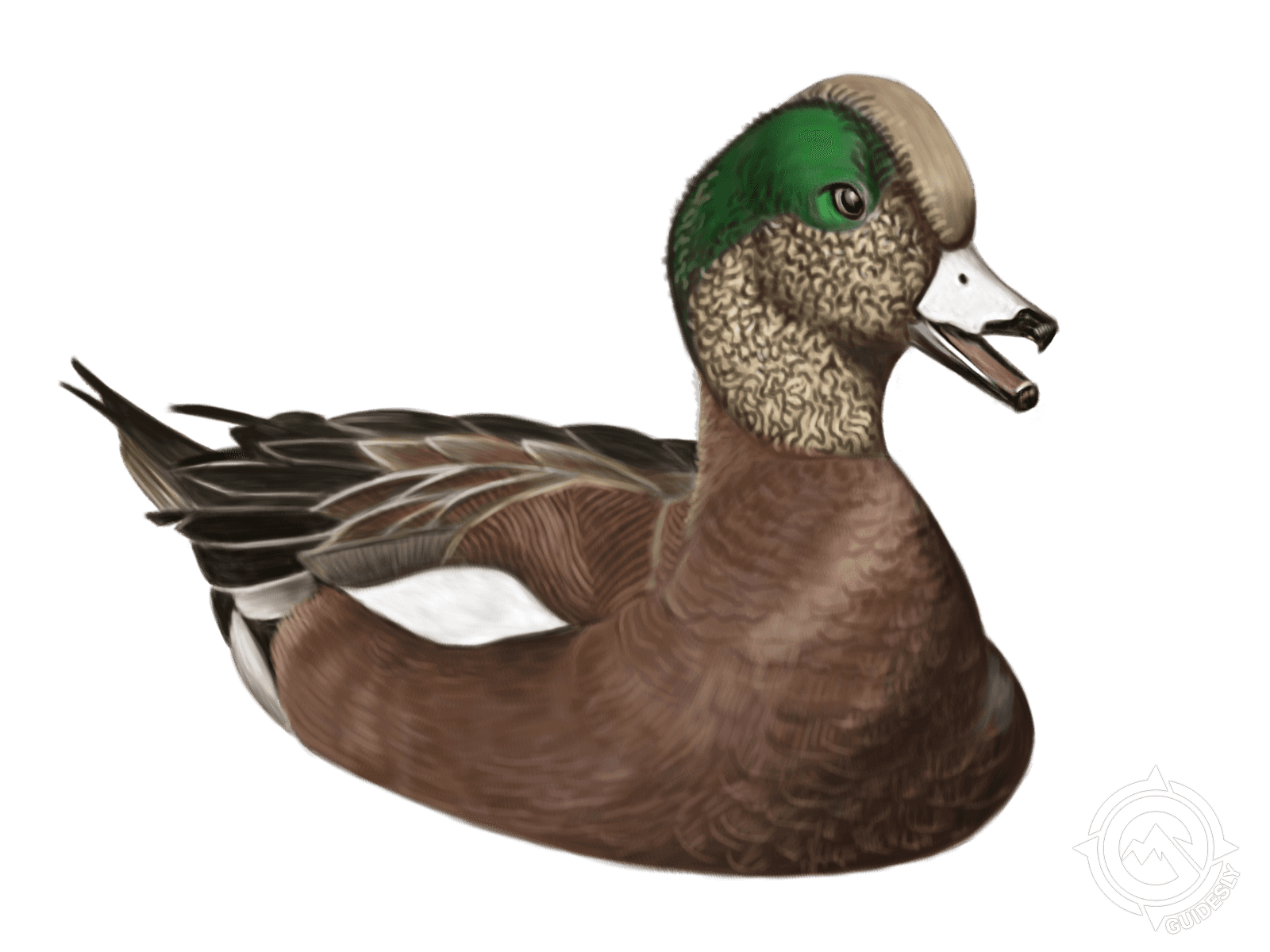
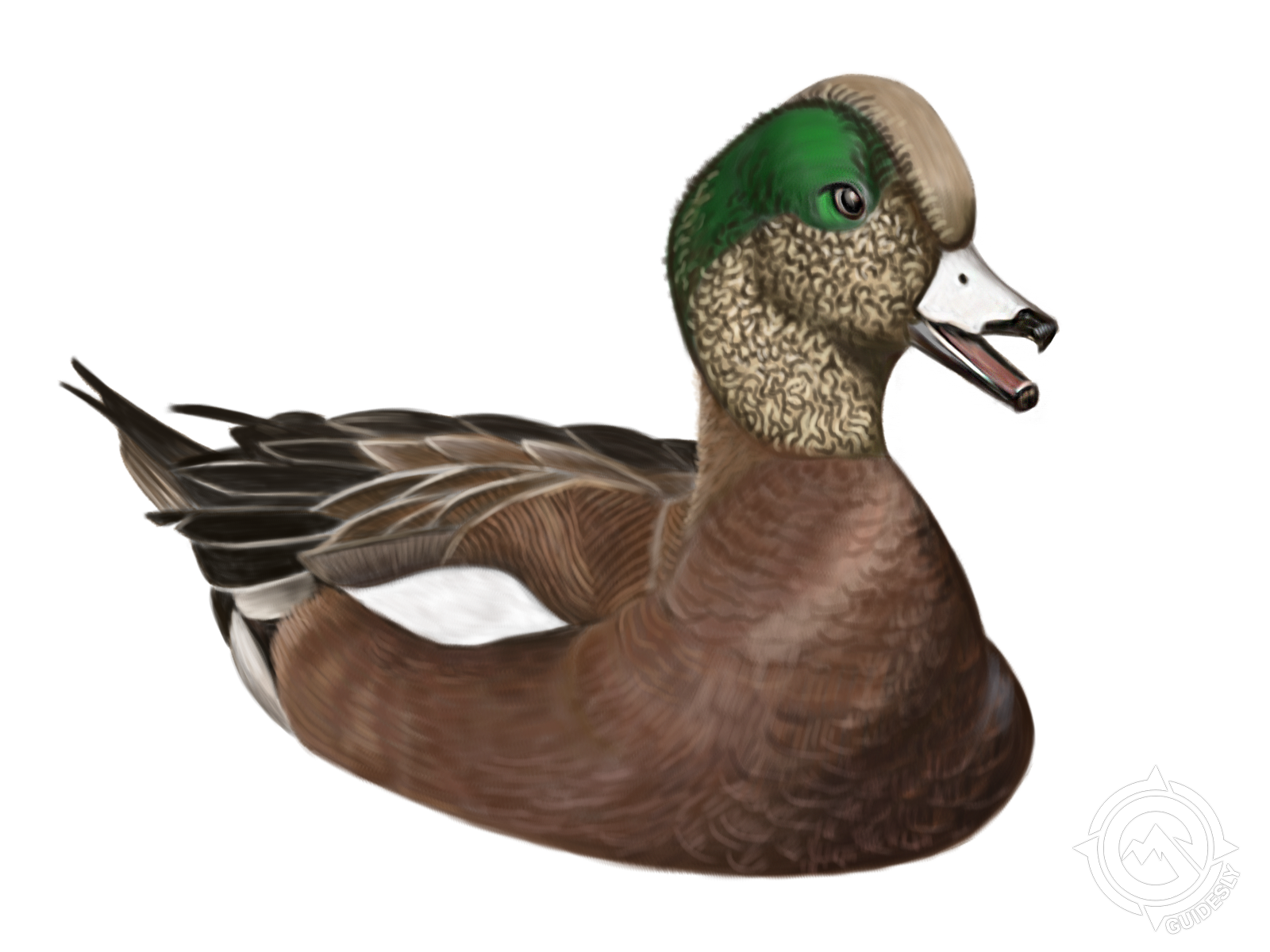 American Wigeon
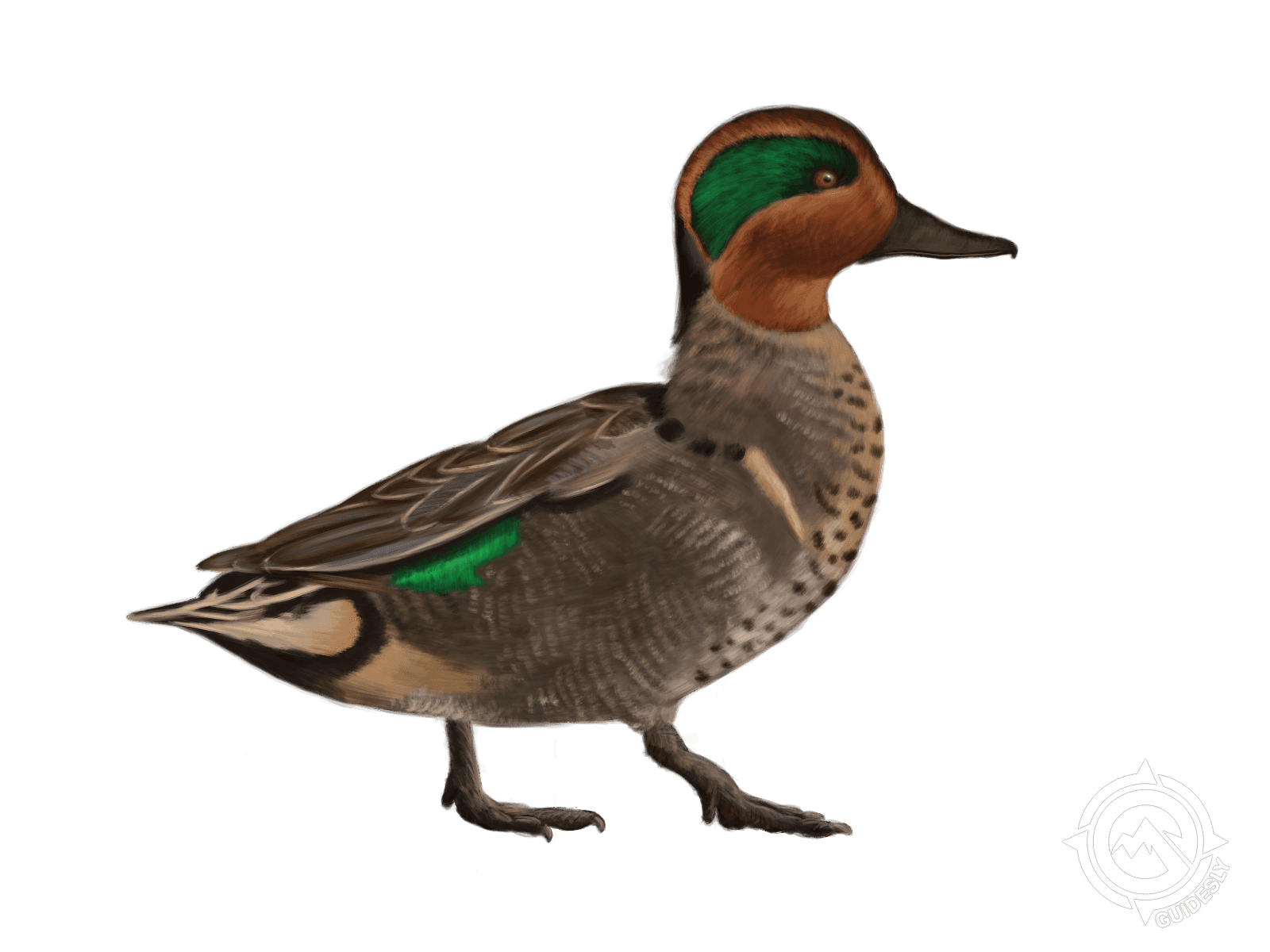
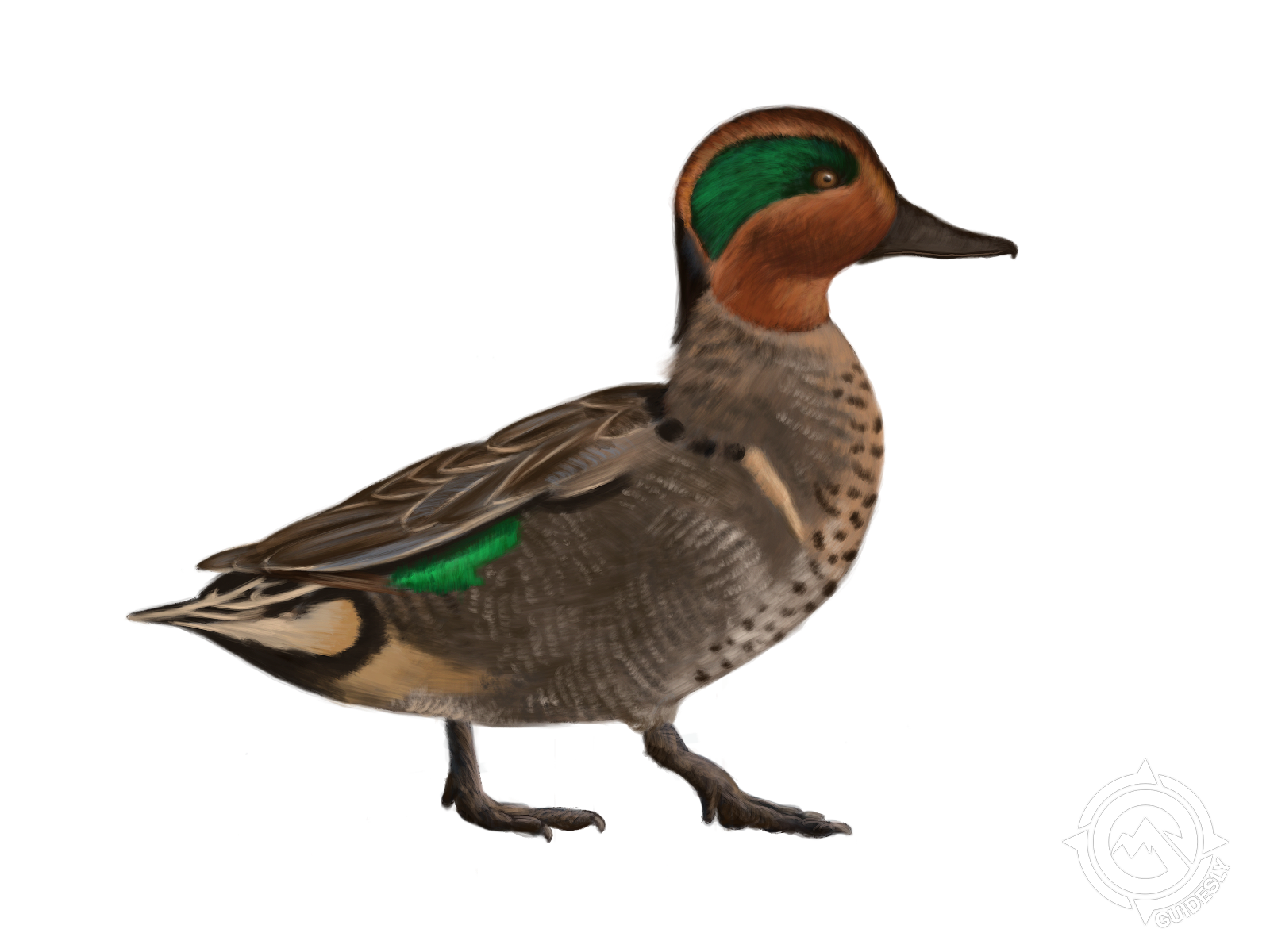 Green-winged Teal
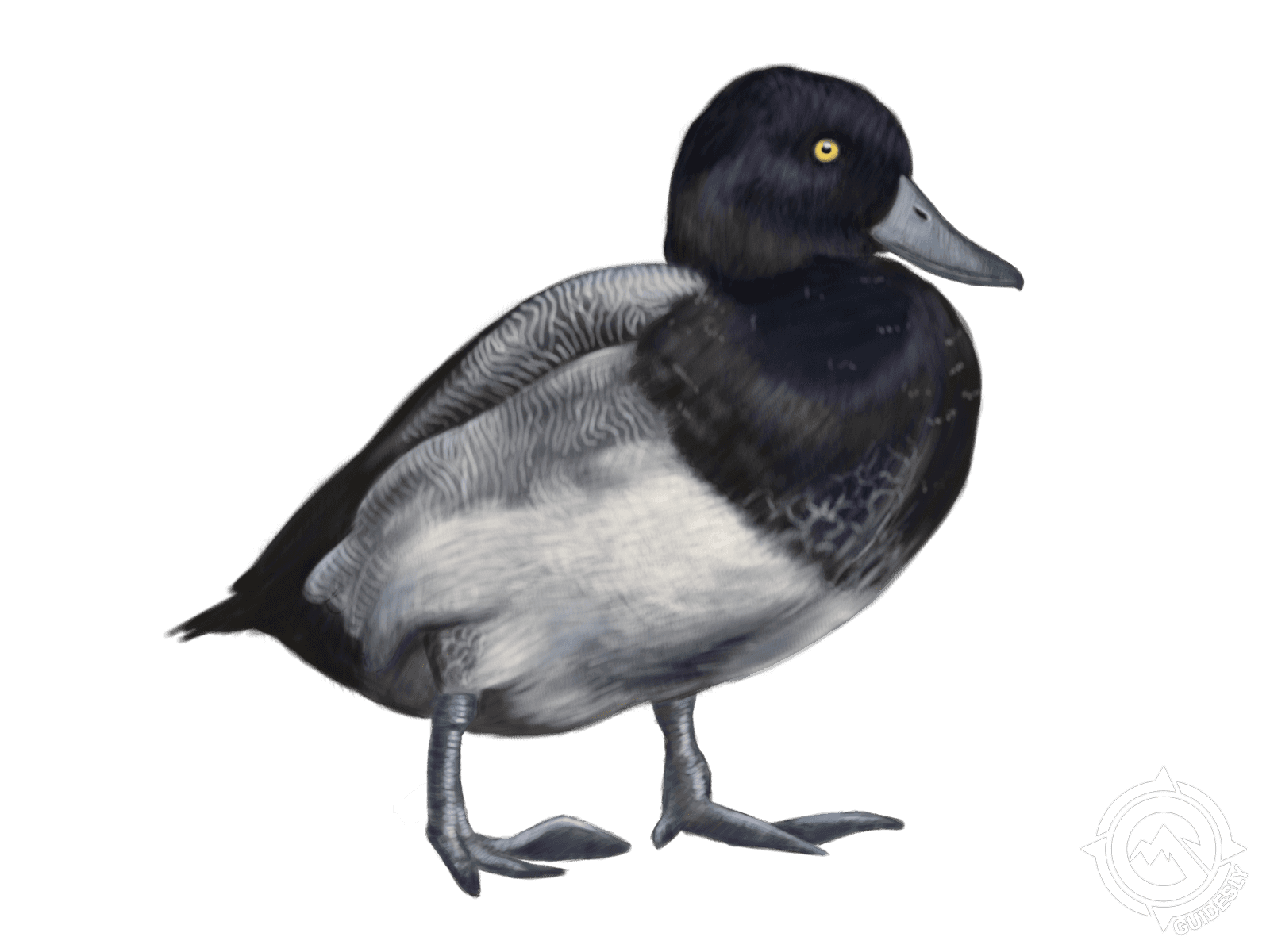
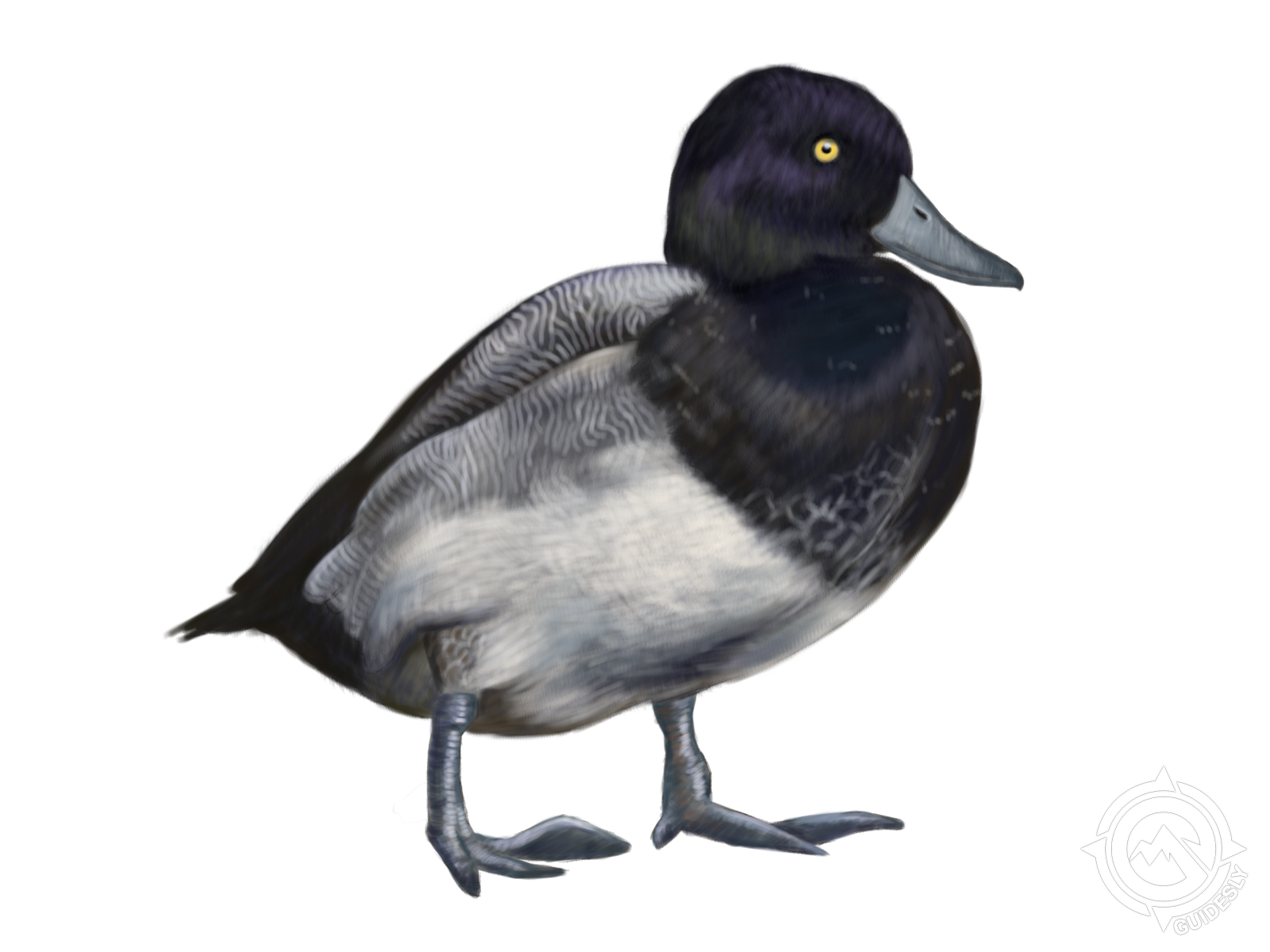 Lesser Scaup
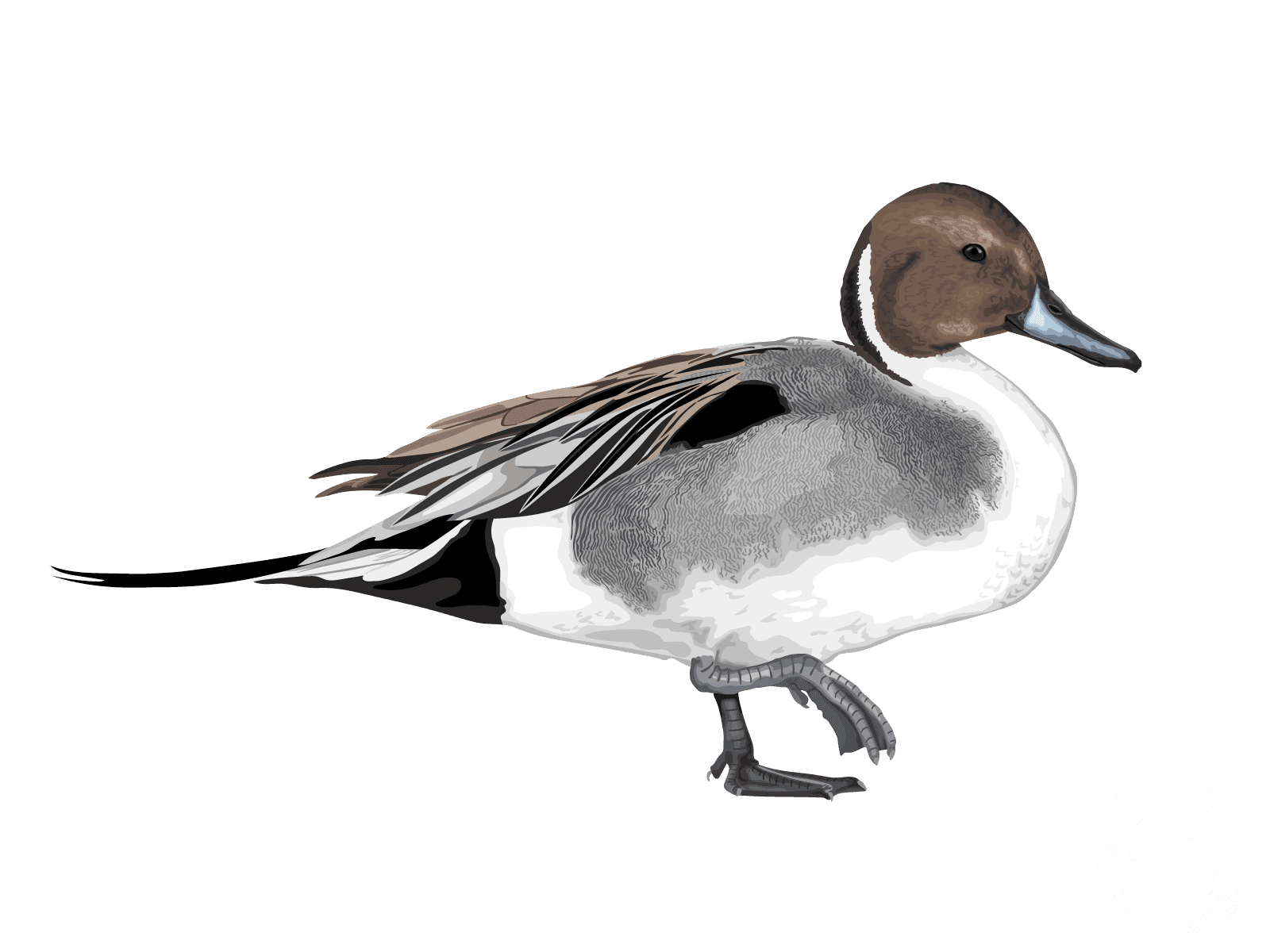
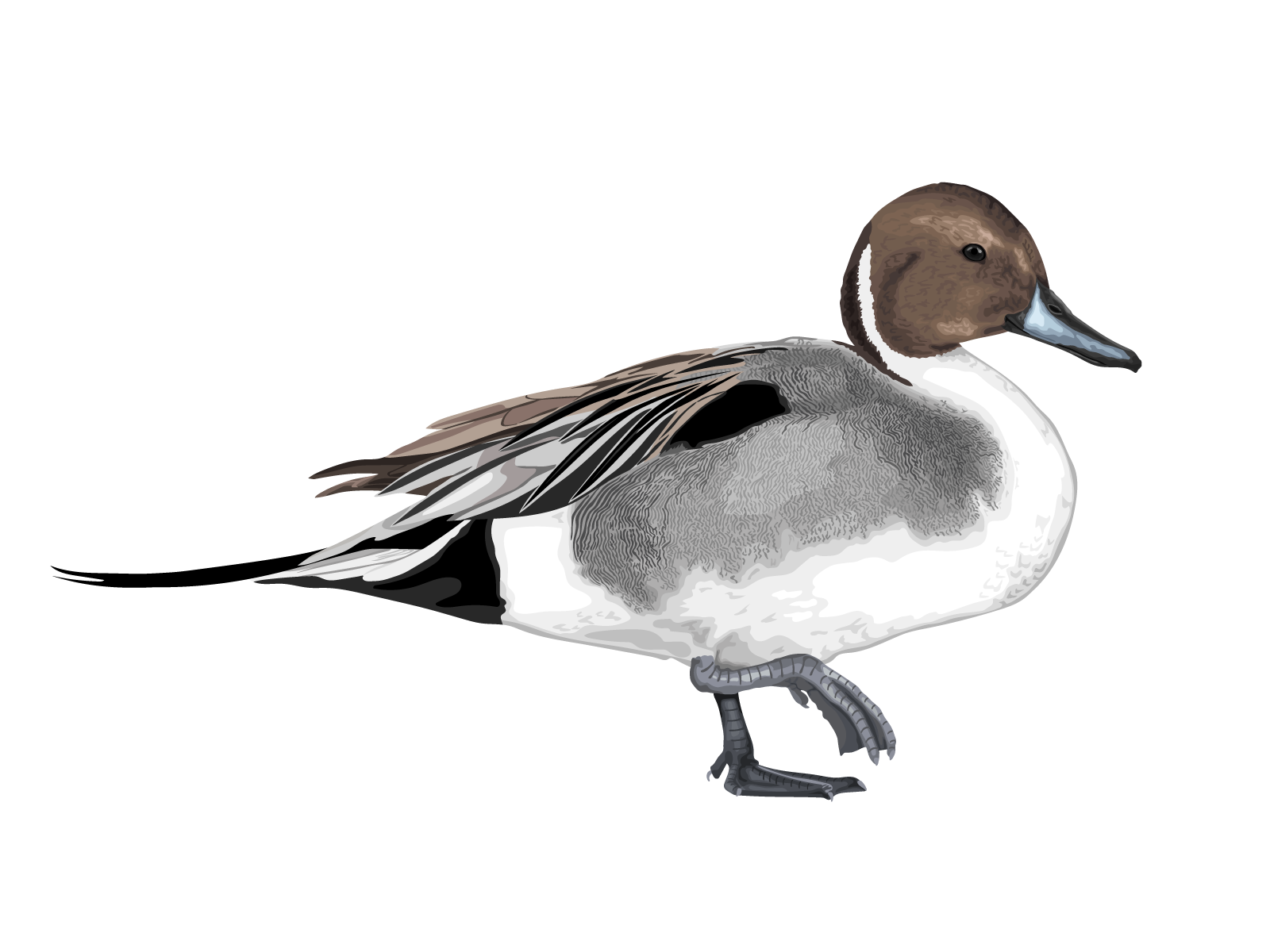 Northern Pintail
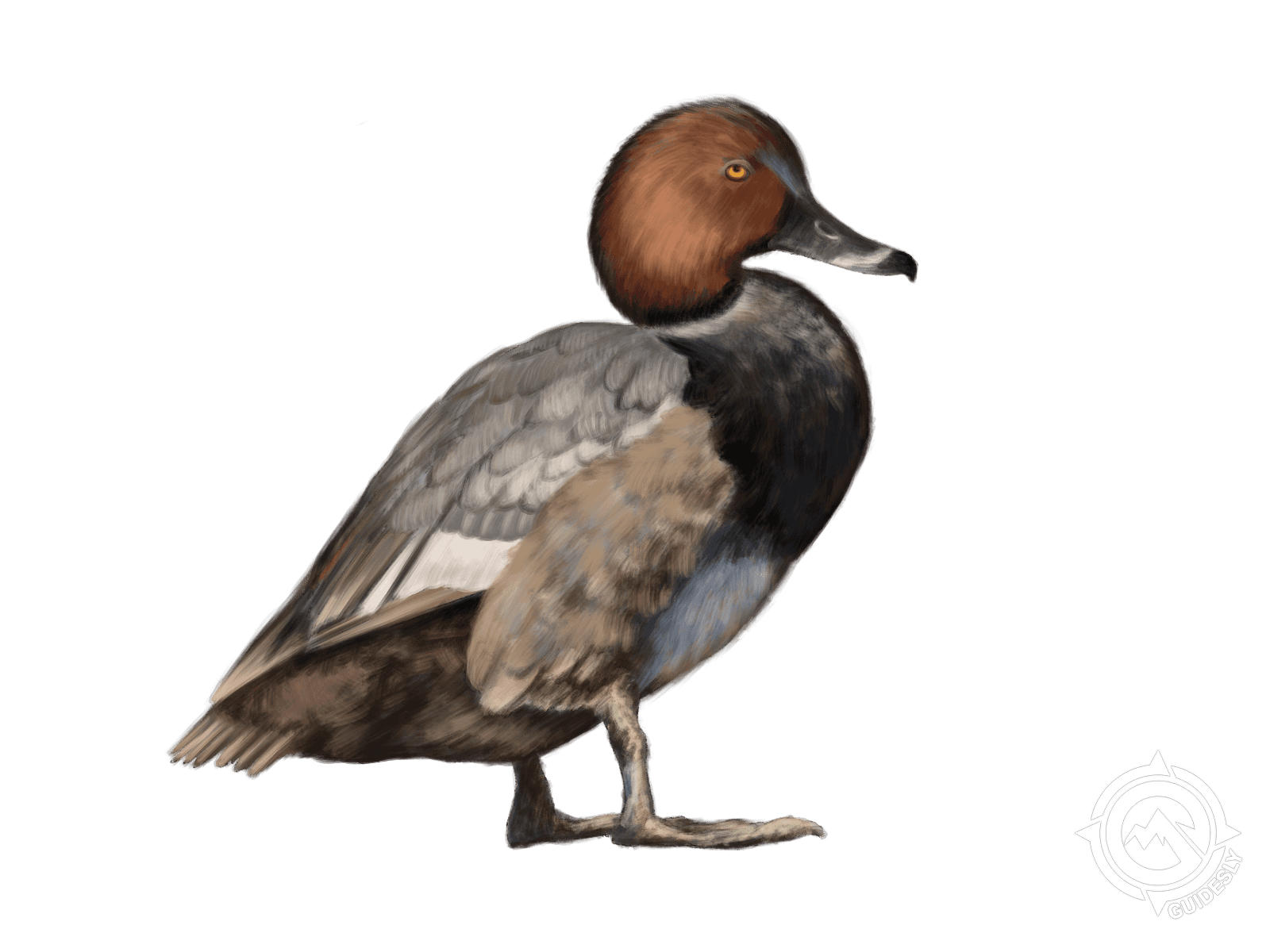
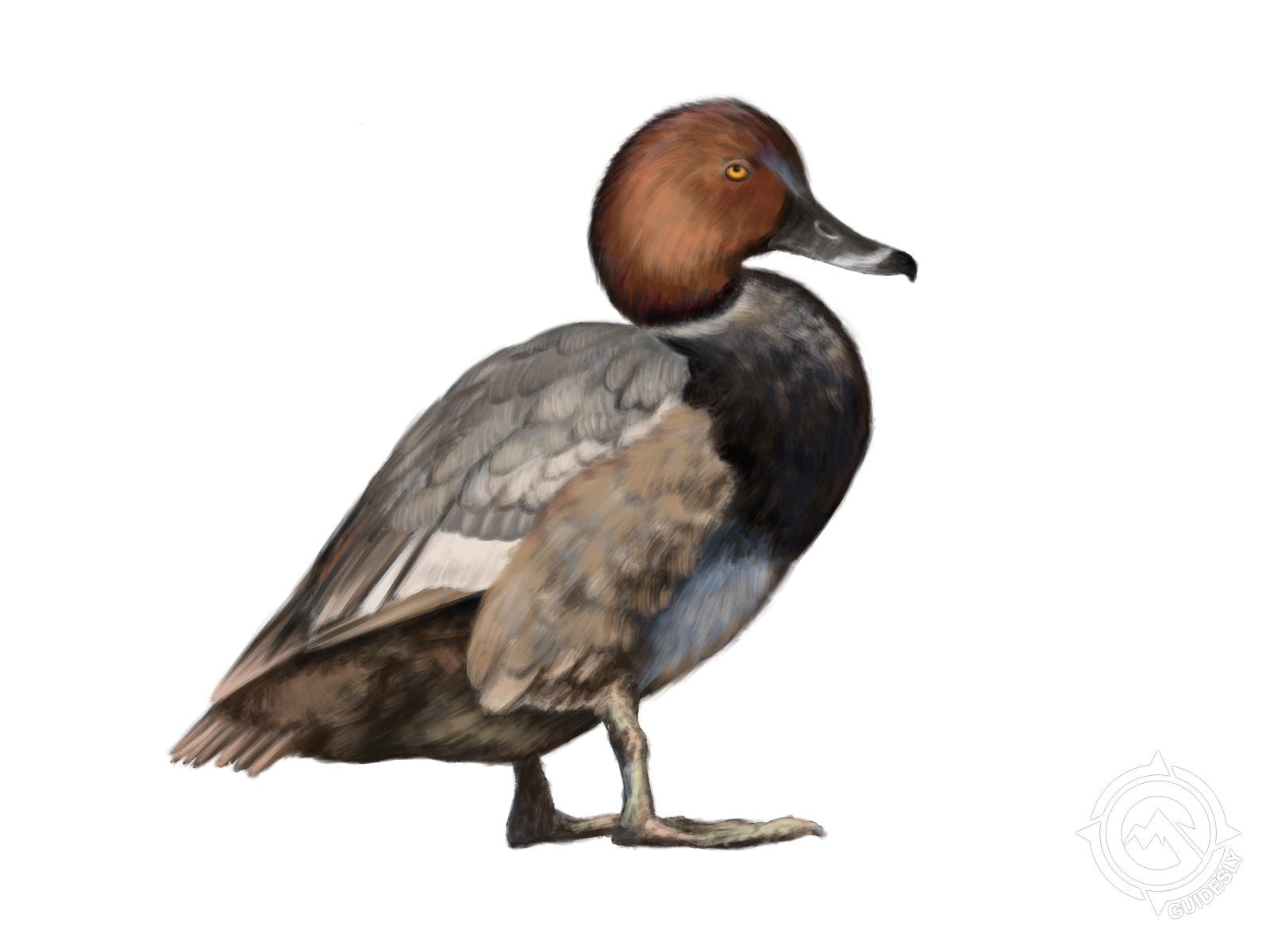 Redhead
- Early morning hunting targets puddle ducks and divers
- Captain handles blind setup, decoys, and duck cleaning
- Licensed guide ensures safe navigation to prime locations
Trip Pricing and Availabilities:
AM Duck Hunt on the Bay/Back Lakes
Picture this: it's still dark when you meet Capt Stephen Boriskie at the dock, coffee steam rising in the cool morning air as you load your gear. This isn't your average duck hunt – it's a top-rated morning wake-up call that puts you right in the heart of some of the best waterfowl action the Bay/Back Lakes have to offer. With room for up to 4 hunters, you'll get that perfect small-group experience where everyone gets prime shooting opportunities and personal attention from a guide who knows these waters like the back of his hand.
Inside the Hunt
The boat slips away from the dock about an hour and a half before shooting time, giving Stephen plenty of room to navigate safely through the pre-dawn darkness to your hunting spot. This timing isn't just careful planning – it's what separates successful hunts from mediocre ones. You'll cruise through familiar channels and backwater routes while Stephen reads the morning conditions, checking wind direction and water levels to pick the perfect setup. Once you reach the chosen area, the real work begins. Whether it's a permanent blind or one Stephen constructs on the spot, you'll watch a master at work as he positions hunters, spreads the decoys with precision, and tucks the boat completely out of sight. Every detail matters, and Stephen makes sure you're all settled and ready a solid 15 minutes before legal shooting time. The morning quiet, broken only by the distant splash of diving ducks or the whistle of wings overhead, builds that familiar anticipation every hunter craves.
Tracking Tips & Terrain
The Bay/Back Lakes system offers diverse hunting terrain that keeps both puddle ducks and divers moving through the area. Stephen brings years of local knowledge about how birds use these waters, from shallow feeding areas where teal and wigeon work the edges, to deeper pockets where redheads and scaup raft up during the day. You'll need to bring your own shotgun and steel shot shells – this is steel-shot-only territory, so leave the lead at home. Chest waders are essential since you might be walking through shallow water or standing in a marsh blind. Complete camo coverage including a hat is non-negotiable; ducks have razor-sharp eyesight and will flare at the first glimpse of movement or unnatural color. Stephen handles all the decoy work, but watching him spread the blocks teaches you plenty about reading water depth, wind patterns, and how to create realistic landing zones. Pack some water and snacks for the blind since you'll be out there for several hours, but remember – absolutely no alcohol before, during, or after the hunt. Stephen's strict about this policy because safety comes first, and firearms demand complete focus and clear judgment.
Target Game Breakdown
Redheads are the crown jewel of this hunt, diving ducks that show up in good numbers during peak season. These chunky, medium-sized ducks prefer the deeper sections of the bay system where they dive for aquatic vegetation and invertebrates. Males sport that distinctive rusty-red head and black chest that makes them easy to identify even at distance. They're strong fliers that often decoy well to a mixed spread, especially when the weather turns rough. What hunters love about redheads is their size – they're substantial birds that provide excellent table fare and make impressive additions to any limit.
Northern Pintail bring elegance to the bag with their sleek profiles and distinctive long necks. These puddle ducks are early migrants, often showing up when the first cold fronts push through. Pintails are notorious for being cautious, circling decoy spreads multiple times before committing, which makes a successful shot deeply satisfying. They prefer shallower areas where they can tip-feed, and Stephen knows exactly where to find them working the grass beds and mudflats. The drakes with their chocolate-brown heads and white breast stripes are among the most beautiful ducks in North America.
Lesser Scaup might not win beauty contests, but they make up for it with numbers and action. These smaller diving ducks often travel in large flocks, creating fast-paced shooting when they decide to work your spread. They're excellent divers, disappearing completely underwater to feed on mollusks and aquatic insects in the deeper sections of the lake system. Scaup are known for their willingness to decoy, especially to diver rigs set in the right depth of water. They provide consistent action throughout the season and are surprisingly good eating despite their reputation.
Green-winged Teal are the speed demons of the duck world, small but incredibly fast and agile fliers that test every hunter's wing-shooting skills. These early migrants often show up in tight flocks, twisting and turning through the air like synchronized swimmers. They prefer shallow, muddy areas rich with seeds and small invertebrates. What makes teal special is their unpredictability – they might buzz the decoys at treetop level or drop straight down from high altitude. The distinctive green wing patches flash in the morning light, and their small size means you need clean shots to put them down.
American Wigeon round out the target list with their unique feeding habits and distinctive calls. These medium-sized puddle ducks are often called "baldpate" for the white crown stripe on mature drakes. Wigeon are grazers, often feeding alongside coots in shallow areas where they can reach aquatic vegetation. They're known for their wariness and tendency to circle decoy spreads extensively before committing. The males produce a distinctive three-note whistle that experienced hunters can hear from remarkable distances. They're excellent table fare and their cautious nature makes them a rewarding challenge.
Book Your Next Tag
This world-class morning duck hunt delivers everything serious waterfowlers want: expert local knowledge, prime hunting locations, and personal service that puts your success first. Stephen's commitment to safety, combined with his skill at reading conditions and positioning hunters, creates the perfect setup for memorable hunts. The fact that he cleans and bags your ducks means you can focus entirely on the
Learn more about the animals
American Wigeon
American wigeon are medium-sized puddle ducks with a unique feeding style - they're grazers that love to work shallow grass beds and shoreline vegetation. The drakes have that white crown that earned them the nickname "baldpate." You'll find them in 1-3 feet of water, often mixing with other puddle ducks in our back lake systems. Mid to late fall brings the best wigeon hunting when the grass is still green and abundant. These birds are prized for their excellent table quality - clean, mild meat that even non-duck hunters enjoy. Wigeon can be vocal and social, often responding well to calling, especially their distinctive whistle. They're also curious birds that will circle back for another look. The secret with wigeon is location - find the grass beds they're feeding on and set up nearby. Use a mixed spread of mallard and wigeon decoys in shallow water with good vegetation. Their three-note whistle call works great for pulling them in close.
Green-winged Teal
Green-winged teal are the smallest ducks we hunt, but don't let size fool you - they're rockets with wings. These little puddle ducks love shallow, protected waters with lots of vegetation, especially the marshy coves and back channels. Early season is prime time for teal, typically the first few weeks when it's still warm. They migrate early and fast, so timing matters. What makes teal hunting special is the speed and challenge - they twist and turn like nothing else, testing your shooting skills. Plus, they're fantastic eating despite their small size. The meat is dark and rich, almost like little steaks. For teal, think small and tight with your decoy spread. A dozen decoys is plenty, and keep them close to shore in the shallows. Use a fast, chattering call - teal like noise and activity. Hunt moving water if possible; they love creek mouths and tide changes.
Lesser Scaup
Lesser scaup are tough little diving ducks that show up in good numbers on our deeper bay waters, typically working areas 10-20 feet deep. They're smaller than most divers, with drakes sporting that black and white pattern that's easy to spot. These birds are social, often traveling in large flocks which can make for fast action when they find your spread. Best hunting happens during cold snaps in late fall and winter when they're pushed down from up north. Scaup might not have the table reputation of redheads, but they're still decent eating when prepared right. What hunters love is the consistent action - when you find scaup, you usually find plenty of them. Key to success is hunting the drop-offs and underwater structure where they feed on mollusks and aquatic insects. Use a big spread of diver decoys and don't be afraid to call loud - they respond to aggressive calling.
Northern Pintail
Northern pintails are elegant puddle ducks with those long, graceful necks and the drake's distinctive pointed tail feathers. These birds prefer shallow water areas - anywhere from 6 inches to 3 feet deep where they can tip-feed on seeds and vegetation. You'll find them working the marshy edges and shallow flats of our back lakes. Peak season here is early to mid-fall when the first cold fronts push them through. Pintails are wary birds that make hunters work for them, but that's part of the appeal. They're fast fliers with sharp eyes, so your hide better be good. On the table, they're top-notch eating. The trick with pintails is calling - they respond well to a soft mallard call, but don't overdo it. A few quiet quacks and feeding chuckles work better than aggressive calling. Set decoys with plenty of open water for landing zones.
Redhead
Redheads are classic diving ducks that love the deeper waters of our bay system, usually hanging out in 8-15 feet where they can dive for aquatic vegetation and small mollusks. These medium-sized ducks are built stocky with that distinctive rusty-red head on the drakes. They show up strong during late fall migration, especially on overcast days with light chop on the water. What makes redheads special is they're excellent table fare - some say the best eating duck around here. They also challenge your shooting skills since they fly fast and low over the water. Pro tip: set your diver decoys in a J-hook pattern with the pocket facing downwind. Redheads like to land in that open spot and will circle back if they don't commit the first time. They respond well to motion, so a jerk string on your spread really helps pull them in.
About the One More Cast
%2F%2Fusers%2F7cb0a14f-4a09-4406-98bc-5dca68d88a2b%2Fvehicle_picture%2Fscreenshot2026-09-03at1.02.54pm-mtn8yfu0.jpeg&w=1920&q=75)
Vehicle Guest Capacity: 4
Manufacturer Name: Evinrude
Maximum Cruising Speed: 42
Number of Engines: 1
Horsepower per Engine: 200