%2Ffit-in%2F250x250%2Fguide_websites%2F55243%2Fimages%2F1789141028554chatgptimagesep11202610_36_41am.png&w=1920&q=100)
/users/7cb0a14f-4a09-4406-98bc-5dca68d88a2b/ratecard/cuppingduckslogo-mtvv1wsm.png)
%2F300x300%2Fusers%2F7cb0a14f-4a09-4406-98bc-5dca68d88a2b%2Fratecard%2Fcuppingduckslogo-mtvv1wsm.png&w=256&q=75)
%2F300x300%2Fusers%2F7cb0a14f-4a09-4406-98bc-5dca68d88a2b%2Fimages%2Fsunset-cruise-port-oconnor-texas-2576.jpeg&w=256&q=75)
%2F300x300%2Fusers%2F7cb0a14f-4a09-4406-98bc-5dca68d88a2b%2Fimages%2Ftexas-fishing-tour-cruises-2925.jpeg&w=256&q=75)
%2F300x300%2Fusers%2F7cb0a14f-4a09-4406-98bc-5dca68d88a2b%2Fimages%2Fredfish-catch-tx-2570.jfif&w=256&q=75)
%2F300x300%2Fusers%2F7cb0a14f-4a09-4406-98bc-5dca68d88a2b%2Fimages%2Fthrilling-tx-outdoor-excursions-2325.jfif&w=256&q=75)
%2F300x300%2Fusers%2F7cb0a14f-4a09-4406-98bc-5dca68d88a2b%2Fimages%2Fthrilling-fishing-tx-2328.jfif&w=256&q=75)
%2F300x300%2Fusers%2F7cb0a14f-4a09-4406-98bc-5dca68d88a2b%2Fimages%2Fbest-tx-fishing-getaway-2398.jfif&w=256&q=75)
%2F300x300%2Fusers%2F7cb0a14f-4a09-4406-98bc-5dca68d88a2b%2Fimages%2Foutdoor-fun-port-oconnor-2470.jfif&w=256&q=75)
%2F300x300%2Fusers%2F7cb0a14f-4a09-4406-98bc-5dca68d88a2b%2Fimages%2Fport-oconnor-fishing-trip-2293.jfif&w=256&q=75)
%2F300x300%2Fusers%2F7cb0a14f-4a09-4406-98bc-5dca68d88a2b%2Fimages%2Fport-oconnor-fishing-tour-2284.jpg&w=256&q=75)
%2F300x300%2Fusers%2F7cb0a14f-4a09-4406-98bc-5dca68d88a2b%2Fimages%2Ftx-fishing-getaway-2366.jpeg&w=256&q=75)
PM Duck Hunt - FIRST HALF of Duck Season
 Port O'Connor
What you will be catching:
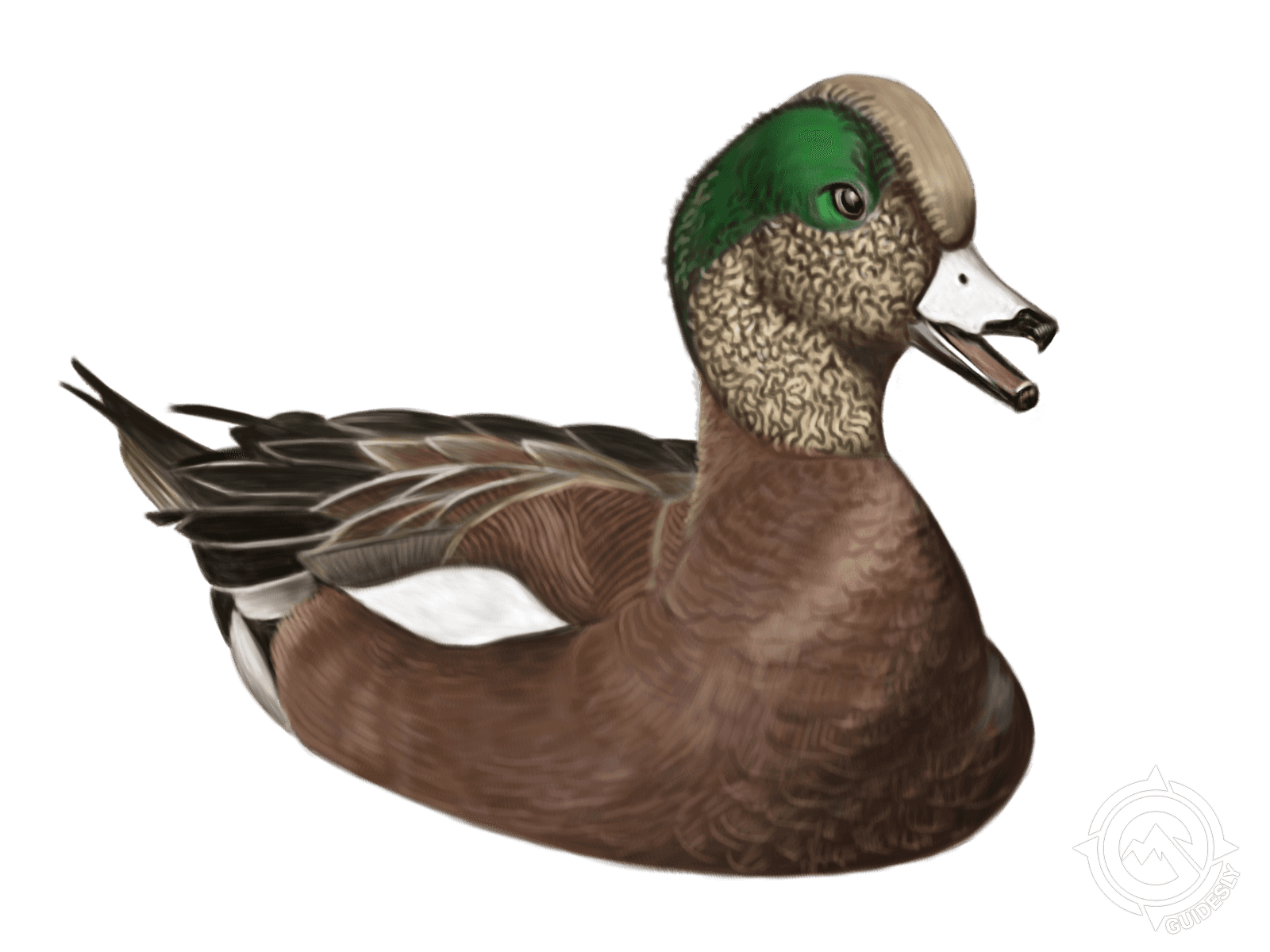
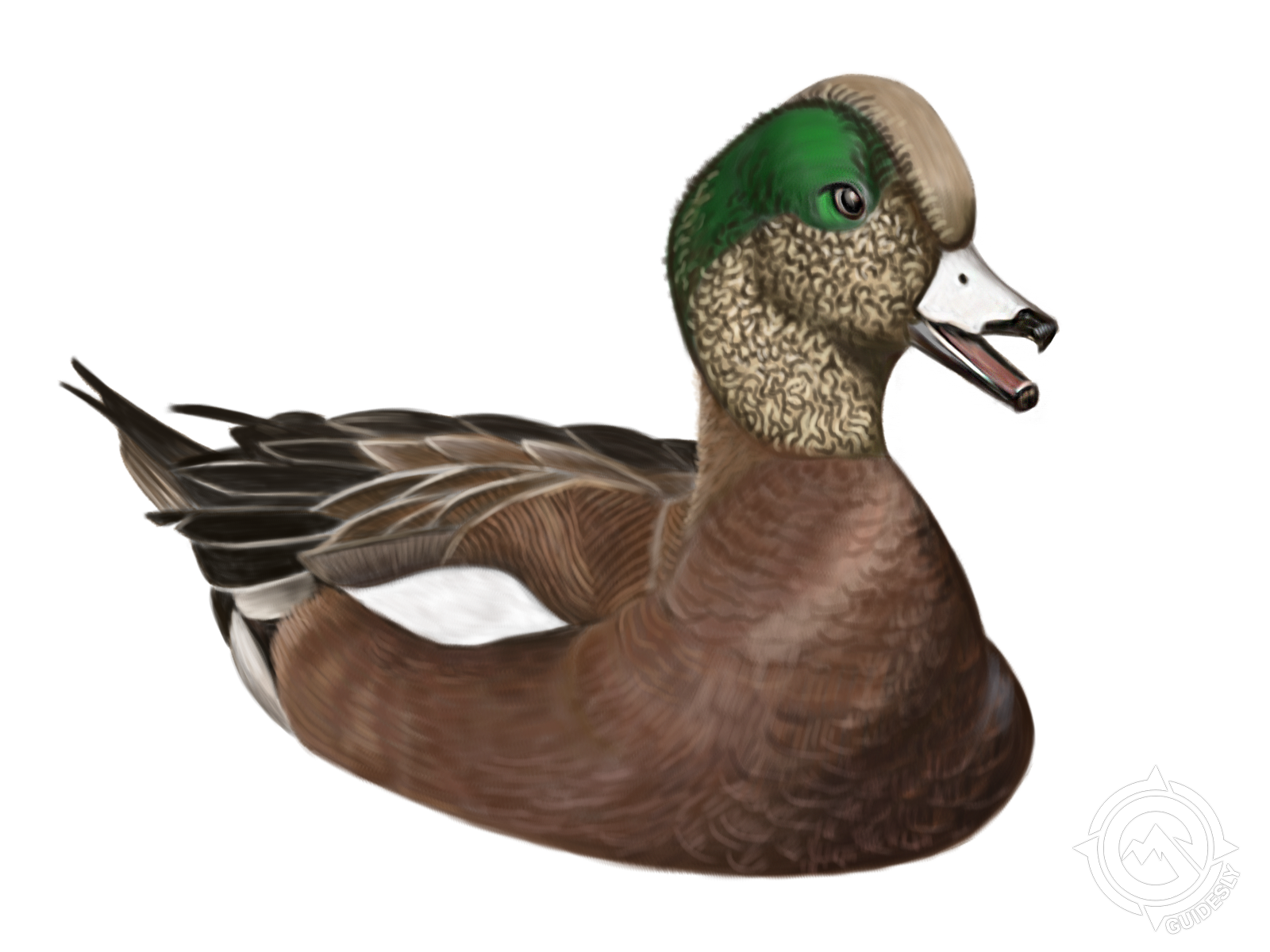 American Wigeon
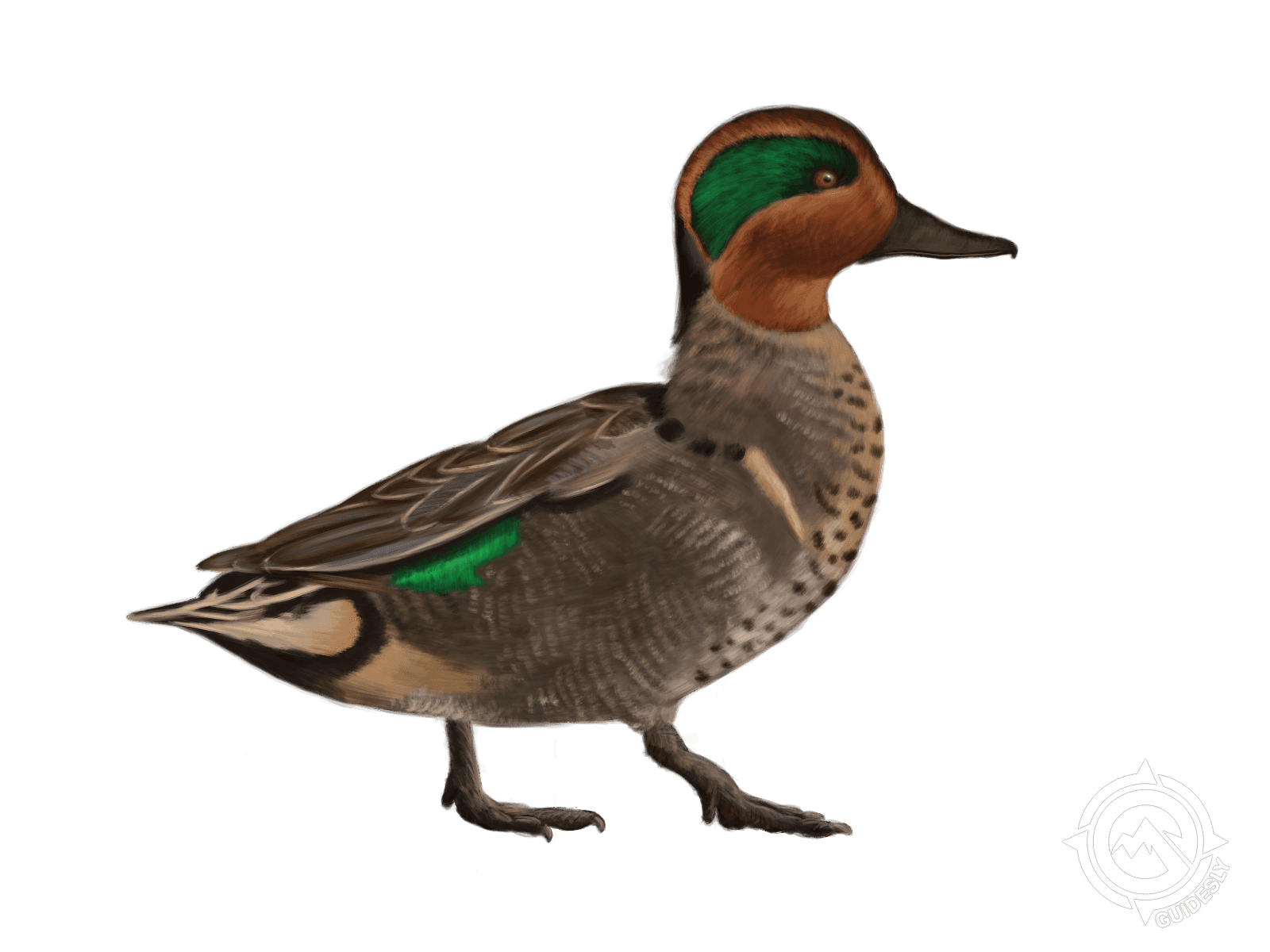
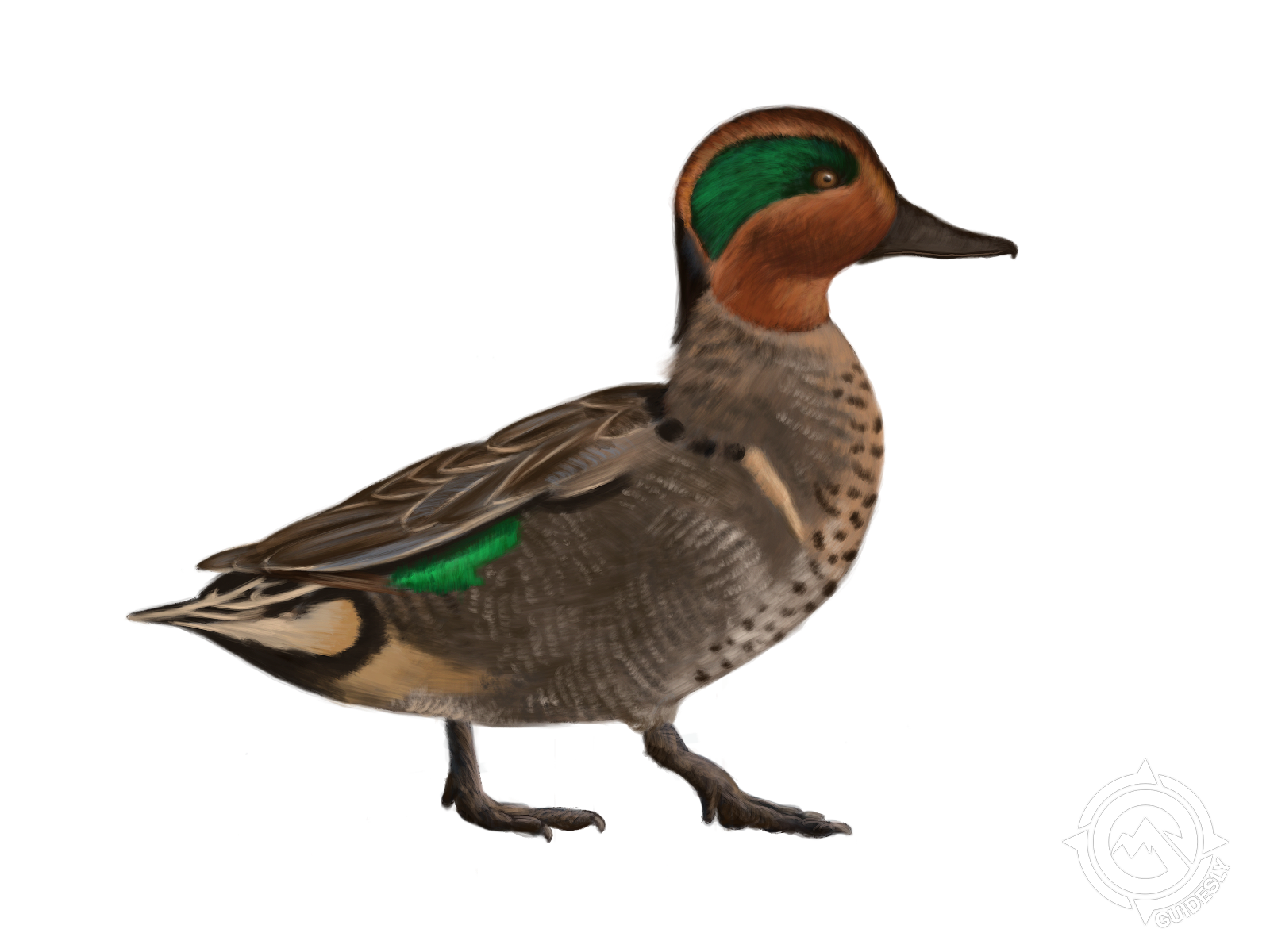 Green-winged Teal
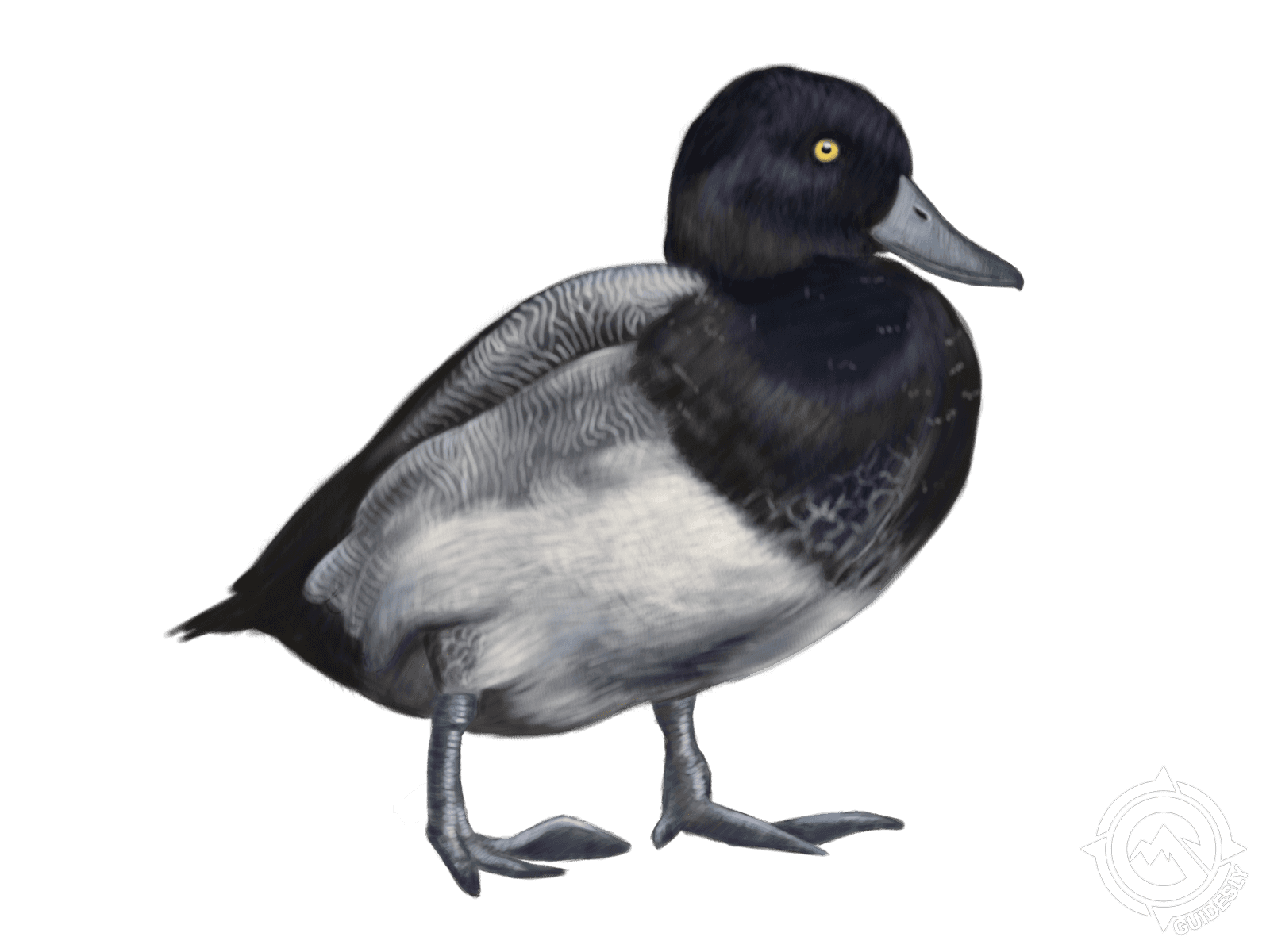
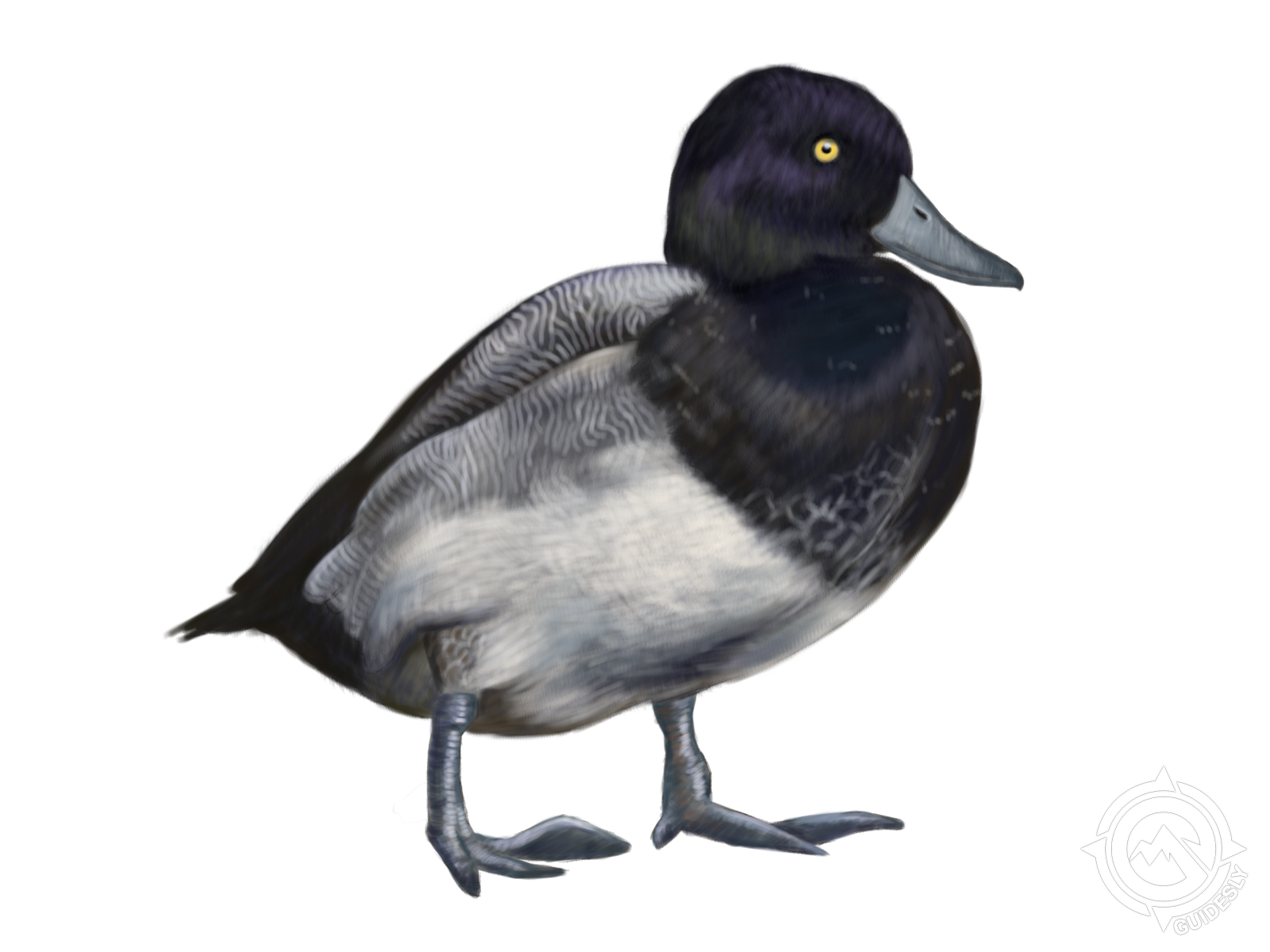 Lesser Scaup
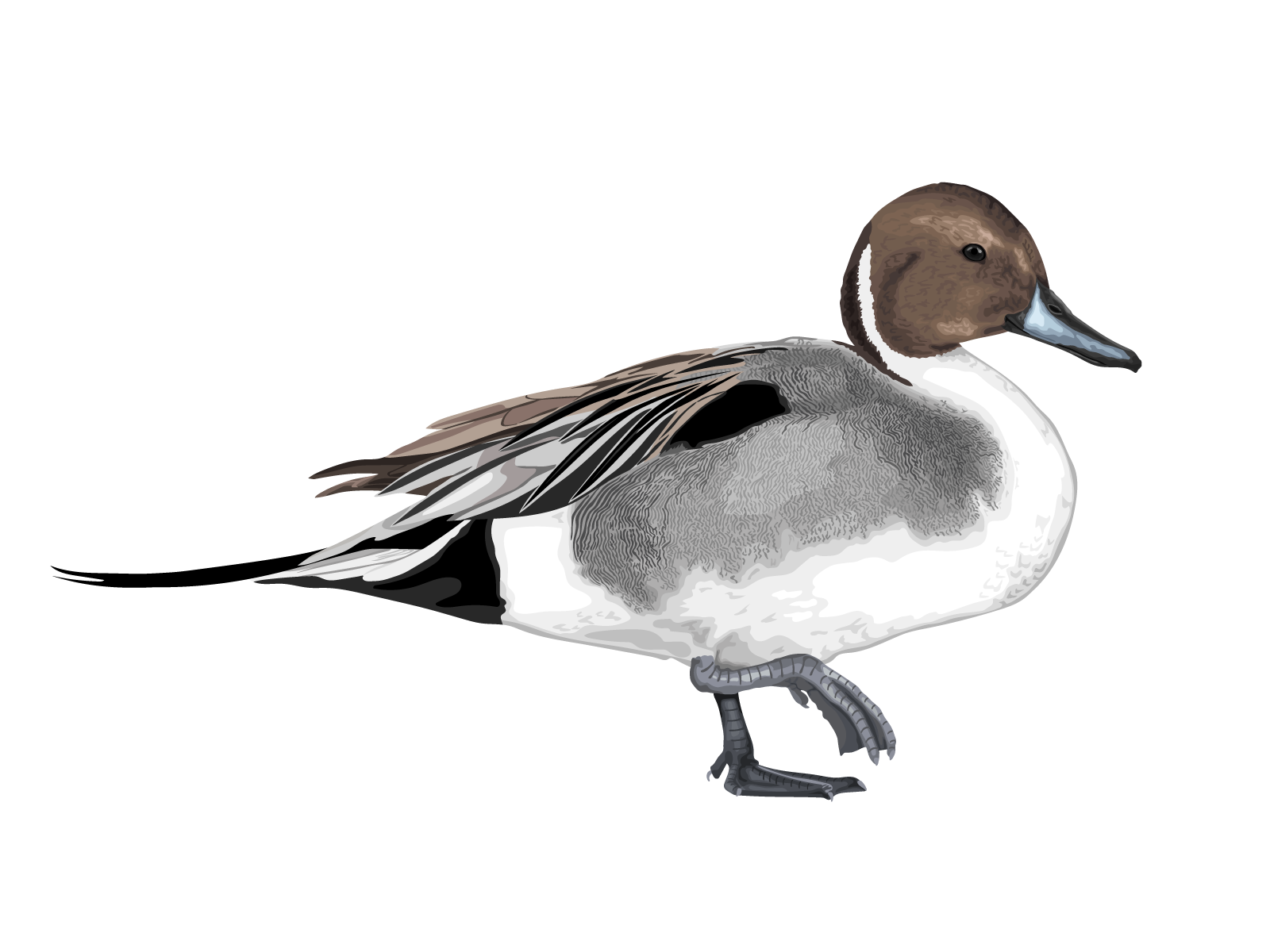 Northern Pintail
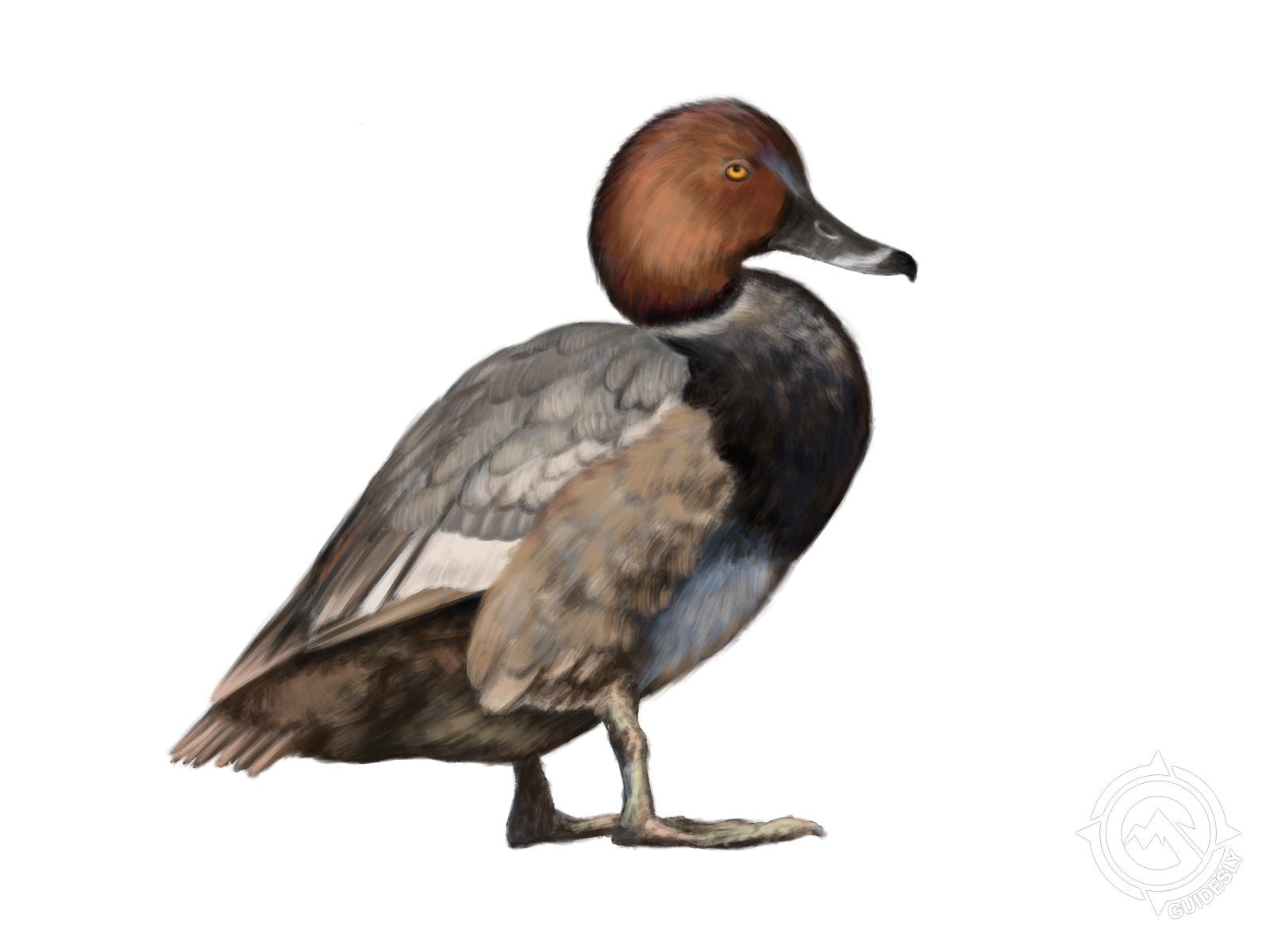 Redhead
- Afternoon waterfowl hunting targets puddle ducks and divers
- USCG licensed captain provides navigation and cleaning services
- Small group experience limited to four guests maximum
Trip Pricing and Availabilities:
PM Duck Hunt - FIRST HALF of Duck Season
Get ready to chase puddle ducks and divers with Captain Stephen Boriskie on this top-rated afternoon waterfowl hunt. This isn't your typical marsh walk – we're talking serious duck hunting action during the prime first half of season when birds are flying strong and the hunting pressure is just starting to build. You'll be hunting from strategic blind positions targeting some of the area's best waterfowl species. With a maximum of 4 hunters per trip, you get the personalized attention that makes all the difference between coming home empty-handed and filling your bag limit.
Inside the Hunt
This afternoon hunt kicks off when the ducks start moving to their evening roosts. Captain Boriskie knows these waters like the back of his hand and will position you in prime blind locations where puddle ducks and divers naturally funnel through. The timing is perfect – late afternoon flights can be absolutely spectacular during the first half of duck season. You'll be hunting from well-concealed blinds that put you right in the flight path of migrating waterfowl. The captain handles all the navigation with his USCG license, so you can focus entirely on reading the birds and making those clean shots. After the hunt, Captain Boriskie takes care of cleaning and bagging your ducks, which is a huge bonus when you're dealing with a good day's harvest. This world-class service lets you enjoy the hunt without worrying about the cleanup afterward.
Tracking Tips & Terrain
You'll need to bring your own shotgun and steel shot shells – no exceptions on the steel shot since we're hunting over water. Chest waders are absolutely essential because you'll be setting up in marshy areas and potentially walking through shallow water to reach the blinds. Full camouflage gear is required, including a camo hat to break up your silhouette against the sky. The ducks in these waters are educated, so proper concealment can make or break your hunt. Pack some water and snacks for the blind since you might be sitting tight for extended periods waiting for the right flight. Captain Boriskie maintains a strict no-alcohol policy before, during, and after the hunt – this is non-negotiable and exactly what you want to hear from a professional guide who takes safety seriously. The blind positioning strategy focuses on natural flyways where ducks travel between feeding and roosting areas, giving you the best shot opportunities as birds commit to the decoy spread.
Target Game Breakdown
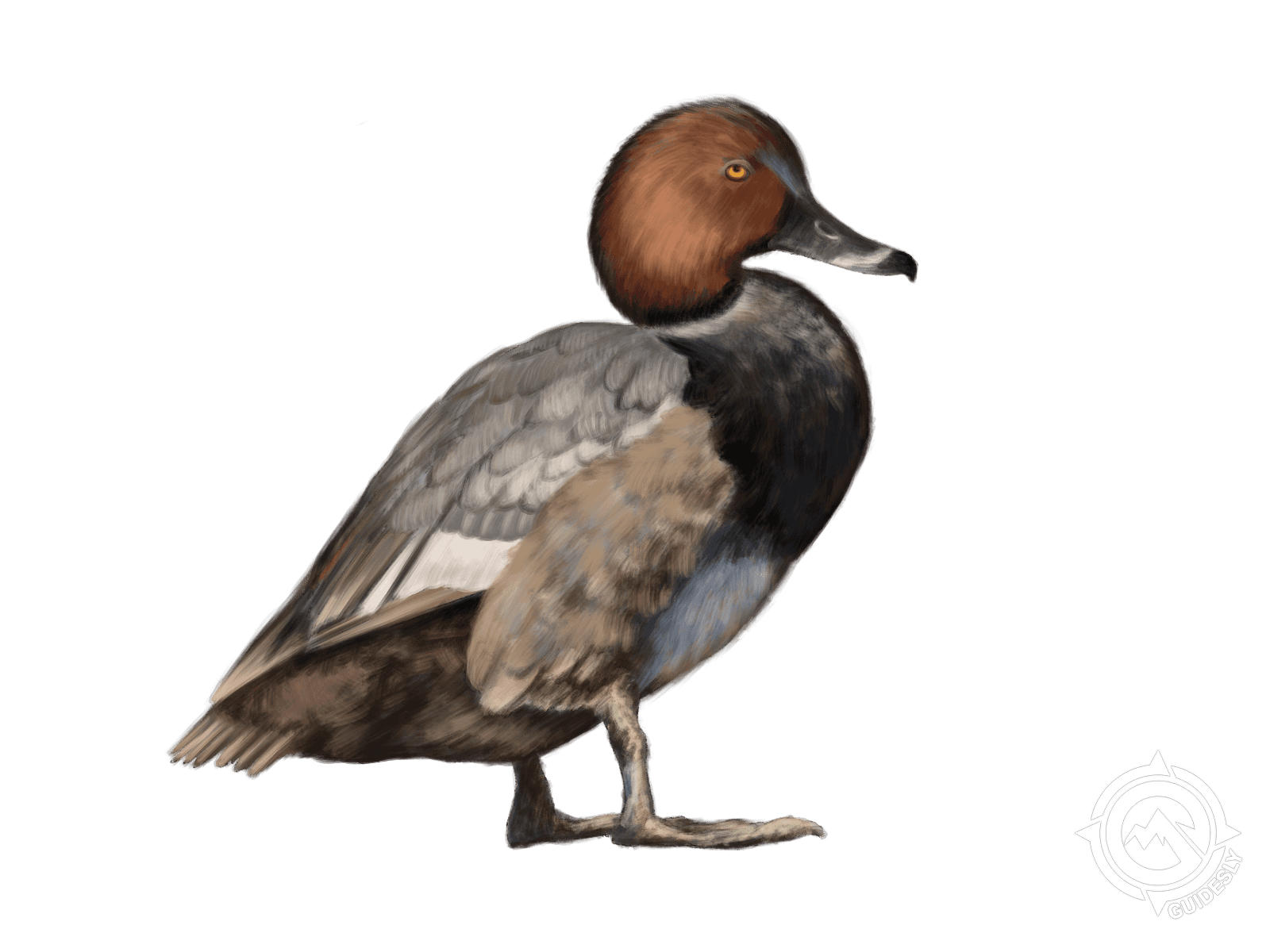
Redhead ducks are diving duck royalty and one of the most sought-after species you'll encounter on this hunt. These medium-sized ducks have incredible table fare and provide challenging shots as they come in fast and low over the water. Redheads typically weigh 2-3 pounds and are known for their distinctive rust-colored heads on drakes. They're most active during late afternoon flights, making them perfect targets for this PM hunt. What makes redheads special is their unpredictable flight patterns – they might circle the decoys multiple times before committing, testing your patience and shooting skills.
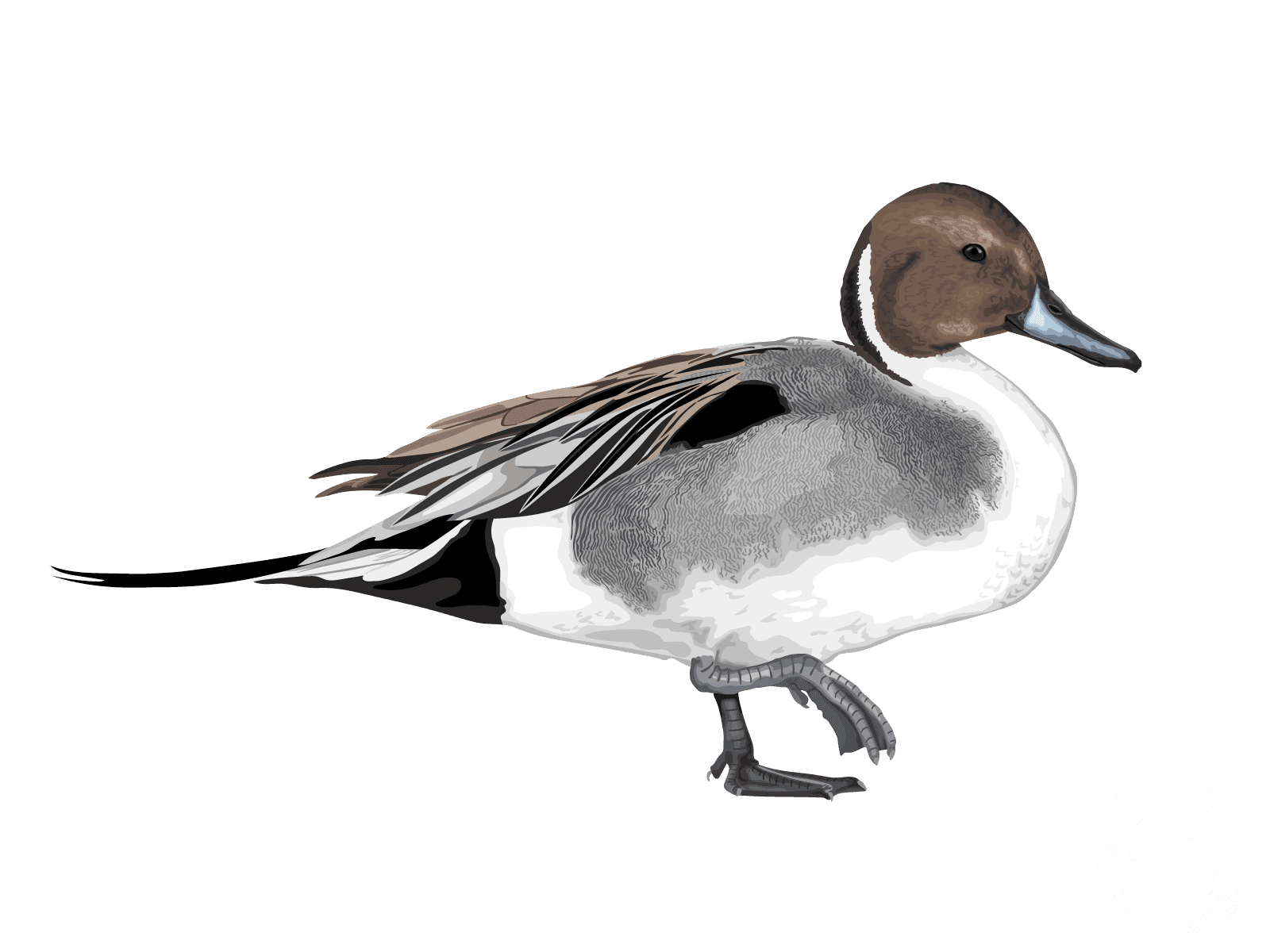
Northern Pintail are the greyhounds of the duck world, with their sleek profile and lightning-fast flight speeds that can catch hunters off guard. Drakes sport those classic long tail feathers and elegant necking that make them unmistakable in flight. Pintails are early migrants, so the first half of duck season offers your best shot at these customer favorites. They're notorious for flaring at the last second, which makes a successful pintail harvest particularly rewarding. These ducks prefer shallow water areas and respond well to calling, especially when the wind conditions are right for their approach patterns.
Lesser Scaup are diving ducks that often travel in large flocks, creating exciting shooting opportunities when they commit to your setup. These compact ducks are excellent for hunters looking to fill their bag limit, as they tend to decoy well and provide consistent action throughout the afternoon hunt. Scaup weigh around 1-2 pounds and are known for their acrobatic diving abilities. During the first half of season, they're often mixed with other diving duck species, giving you variety in your harvest and keeping the action interesting.
Green-winged Teal are the speed demons that will test your wing shooting abilities like no other waterfowl species. These small ducks, weighing just over half a pound, fly in tight formations and can change direction instantly. The green wing patch is visible in flight and helps with identification as they buzz the decoys. Teal are typically the first ducks to migrate south, making early season hunting prime time for encounters with these renowned acrobats. Their small size means excellent eating, and bagging a limit of teal is considered a mark of shooting proficiency among waterfowl hunters.
American Wigeon, also called baldpate, are puddle ducks known for their distinctive whistling call and white crown patches on mature drakes. These medium-sized ducks are grazers that often feed in shallow areas, making them perfect targets for blind hunting strategies. Wigeon are social birds that respond well to decoy spreads and calling, often bringing other duck species with them when they investigate your setup. They're particularly active during the afternoon hours, aligning perfectly with this PM hunt timing. What hunters love about wigeon is their predictable flight patterns and willingness to work decoys when properly presented.
Book Your Next Tag
This afternoon duck hunt delivers everything serious waterfowl hunters want – prime timing during the best part of season, expert guidance from a licensed captain, and access to productive hunting grounds that consistently produce multiple species. Captain Boriskie's attention to safety, combined with his duck cleaning service, makes this a best trip choice for hunters who want to focus on the sport rather than logistics. With only 4 spots available per hunt, these dates fill up fast during the first half of duck season when the hunting is at its peak. Don't wait until the birds have been pressured by other hunters – book now while the flights are fresh and the action is hot. Contact Captain Boriskie with any questions before
Learn more about the animals
American Wigeon
American wigeon are medium-sized puddle ducks around 1.5-2 pounds, with drakes showing white crown patches that earned them the nickname "baldpate." These birds are grazers, preferring shallow marshes, flooded fields, and pond edges where they can feed on aquatic vegetation and waste grain. October through November brings peak numbers as they follow traditional migration routes. Wigeon are popular with hunters because they decoy well and provide steady action throughout the day. The meat's good eating - not as mild as mallards but better than most divers. These ducks have a distinctive three-note whistle that's easy to recognize. They work decoys confidently, especially in the afternoon when they're moving to feeding areas. Set up near vegetation beds or agricultural areas, and don't over-call them - a few soft whistles usually does the trick.
Green-winged Teal
Green-winged teal are the smallest ducks you'll hunt, barely reaching a pound, but they're pure dynamite in the air. These little rockets fly in tight flocks and can change direction faster than you can swing your gun. They love shallow water - cattail edges, flooded timber, and small potholes where they dabble for seeds and aquatic plants. September and early October offer the best action before cold weather pushes them south. What makes teal hunting special is the fast-paced shooting and their excellent eating quality. The meat's mild and tender, perfect for the grill. Teal work decoys aggressively, often dropping right into small spreads without much hesitation. Keep your shots close - they'll be on top of you before you know it. A dozen decoys in skinny water is usually all you need, and don't forget to lead them plenty when they buzz past.
Lesser Scaup
Lesser scaup are smaller diving ducks, usually weighing around 1.5-2 pounds, but they make up for size with numbers. These black-and-white birds love deeper water - think 8-15 feet where they dive for snails, aquatic insects, and small fish. They're found in larger lakes, bays, and coastal areas with good visibility underwater. November through January brings the best hunting as big rafts migrate south ahead of freeze-up. Scaup can be challenging because they're quick and agile, often flying in tight flocks that twist and turn at the last second. The meat's decent, though stronger flavored than puddle ducks due to their diet. These birds respond well to motion in your decoy spread - a jerk string or spinning wing decoy really gets their attention. Don't be surprised when they buzz the spread a few times before landing.
Northern Pintail
Pintails are elegant puddle ducks, with drakes reaching up to 3 pounds and sporting those distinctive long necks and pointed tails. They're nervous birds that prefer shallow wetlands, flooded fields, and marsh edges where they can tip up to feed on seeds and vegetation. Early season hunting in October gives you the best shot before they get educated and start avoiding heavily hunted areas. These ducks are prized for their wariness - they'll test every hunter's skill with their cautious approach patterns. The meat's top-notch too, clean and mild since they feed mainly on grains and plants. Pintails often fly high and wide, so patience pays off. Set a few decoys upwind from your blind and give them plenty of room to work. When they do commit, they'll usually swing wide before dropping in, so be ready for longer shots than with other puddle ducks.
Redhead
Redheads are classic diving ducks that run about 2-3 pounds with the drakes showing off that signature rusty-red head during fall migration. These birds prefer deeper open water where they dive down 6-10 feet for aquatic plants and mollusks. You'll find them in bays, large ponds, and coastal marshes, especially when there's some wind chopping up the surface. Peak hunting comes during October through December when big rafts move through on cold fronts. What makes redheads special is their excellent table fare - they're some of the best eating ducks you'll bag. The meat's mild and tender, not fishy like some divers. Pro tip: set your decoys in deeper water than you would for puddle ducks, and watch for them to work the outside edges of your spread before committing.
About the One More Cast
%2F%2Fusers%2F7cb0a14f-4a09-4406-98bc-5dca68d88a2b%2Fvehicle_picture%2Fscreenshot2026-09-03at1.02.54pm-mtn8yfu0.jpeg&w=1920&q=75)
Vehicle Guest Capacity: 4
Manufacturer Name: Evinrude
Maximum Cruising Speed: 42
Number of Engines: 1
Horsepower per Engine: 200