%2Ffit-in%2F250x250%2Fguide_websites%2F55243%2Fimages%2F1789141028554chatgptimagesep11202610_36_41am.png&w=1920&q=100)
/users/7cb0a14f-4a09-4406-98bc-5dca68d88a2b/ratecard/img_4952-mud86mrq.jpeg)
%2F300x300%2Fusers%2F7cb0a14f-4a09-4406-98bc-5dca68d88a2b%2Fratecard%2Fimg_4952-mud86mrq.jpeg&w=256&q=75)
%2F300x300%2Fusers%2F7cb0a14f-4a09-4406-98bc-5dca68d88a2b%2Fimages%2Fsunset-cruise-port-oconnor-texas-2576.jpeg&w=256&q=75)
%2F300x300%2Fusers%2F7cb0a14f-4a09-4406-98bc-5dca68d88a2b%2Fimages%2Ftexas-fishing-tour-cruises-2925.jpeg&w=256&q=75)
%2F300x300%2Fusers%2F7cb0a14f-4a09-4406-98bc-5dca68d88a2b%2Fimages%2Fredfish-catch-tx-2570.jfif&w=256&q=75)
%2F300x300%2Fusers%2F7cb0a14f-4a09-4406-98bc-5dca68d88a2b%2Fimages%2Fthrilling-tx-outdoor-excursions-2325.jfif&w=256&q=75)
%2F300x300%2Fusers%2F7cb0a14f-4a09-4406-98bc-5dca68d88a2b%2Fimages%2Fthrilling-fishing-tx-2328.jfif&w=256&q=75)
%2F300x300%2Fusers%2F7cb0a14f-4a09-4406-98bc-5dca68d88a2b%2Fimages%2Fbest-tx-fishing-getaway-2398.jfif&w=256&q=75)
%2F300x300%2Fusers%2F7cb0a14f-4a09-4406-98bc-5dca68d88a2b%2Fimages%2Foutdoor-fun-port-oconnor-2470.jfif&w=256&q=75)
%2F300x300%2Fusers%2F7cb0a14f-4a09-4406-98bc-5dca68d88a2b%2Fimages%2Fport-oconnor-fishing-trip-2293.jfif&w=256&q=75)
%2F300x300%2Fusers%2F7cb0a14f-4a09-4406-98bc-5dca68d88a2b%2Fimages%2Fport-oconnor-fishing-tour-2284.jpg&w=256&q=75)
%2F300x300%2Fusers%2F7cb0a14f-4a09-4406-98bc-5dca68d88a2b%2Fimages%2Ftx-fishing-getaway-2366.jpeg&w=256&q=75)
Full Day Wade Fishing Adventure
 Port O'Connor
What you will be catching:
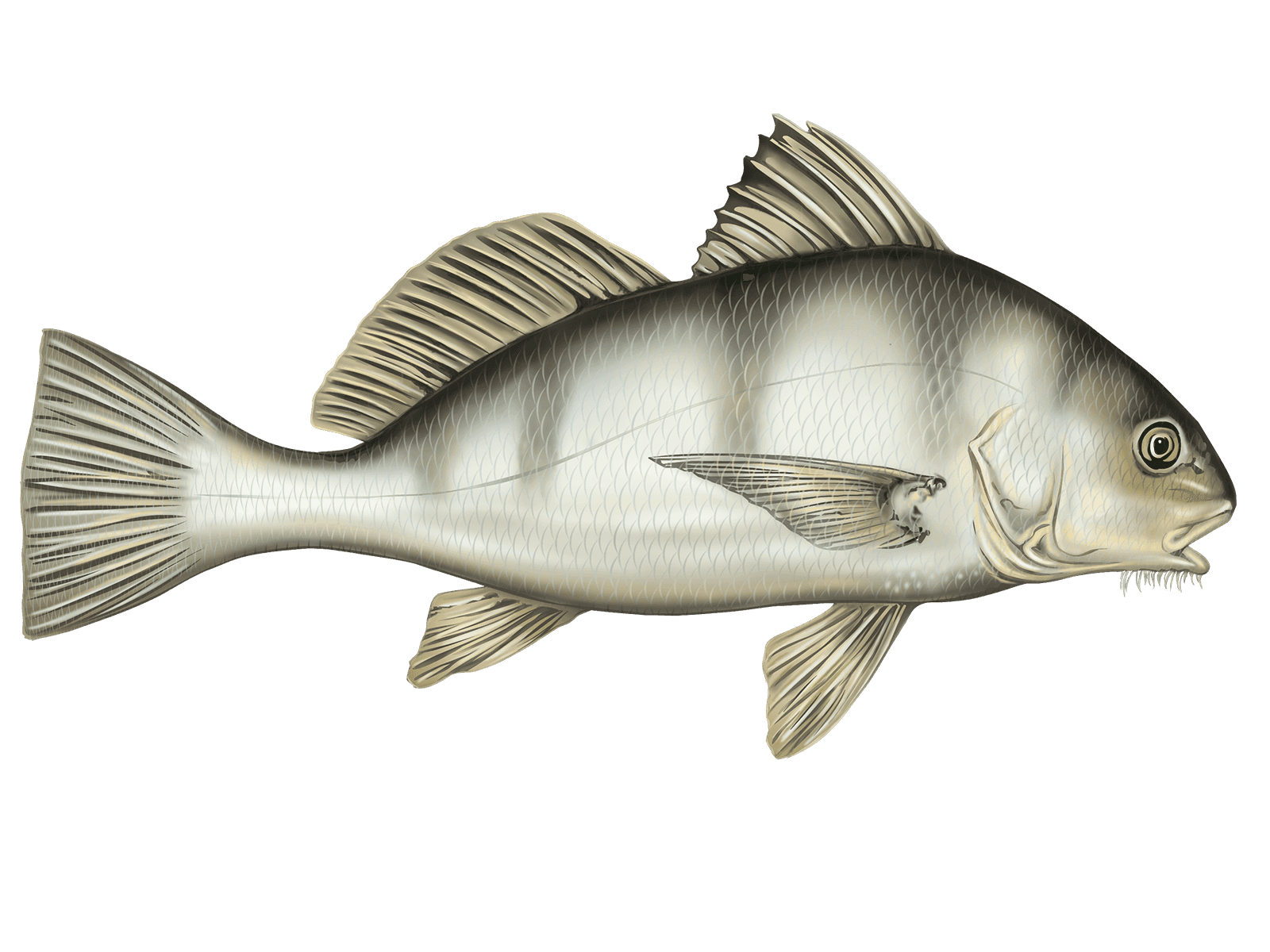
 Black Drum
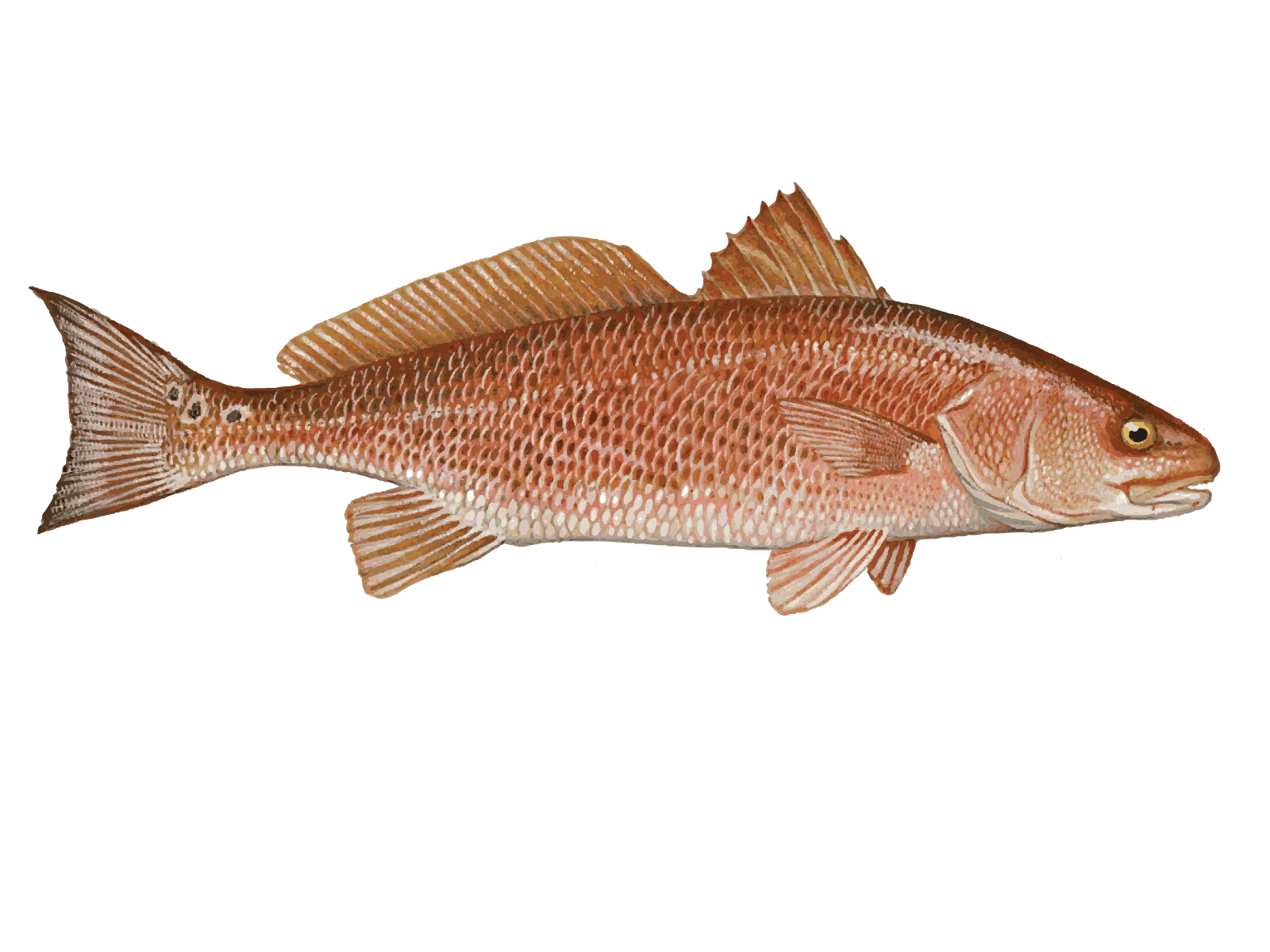
 Redfish
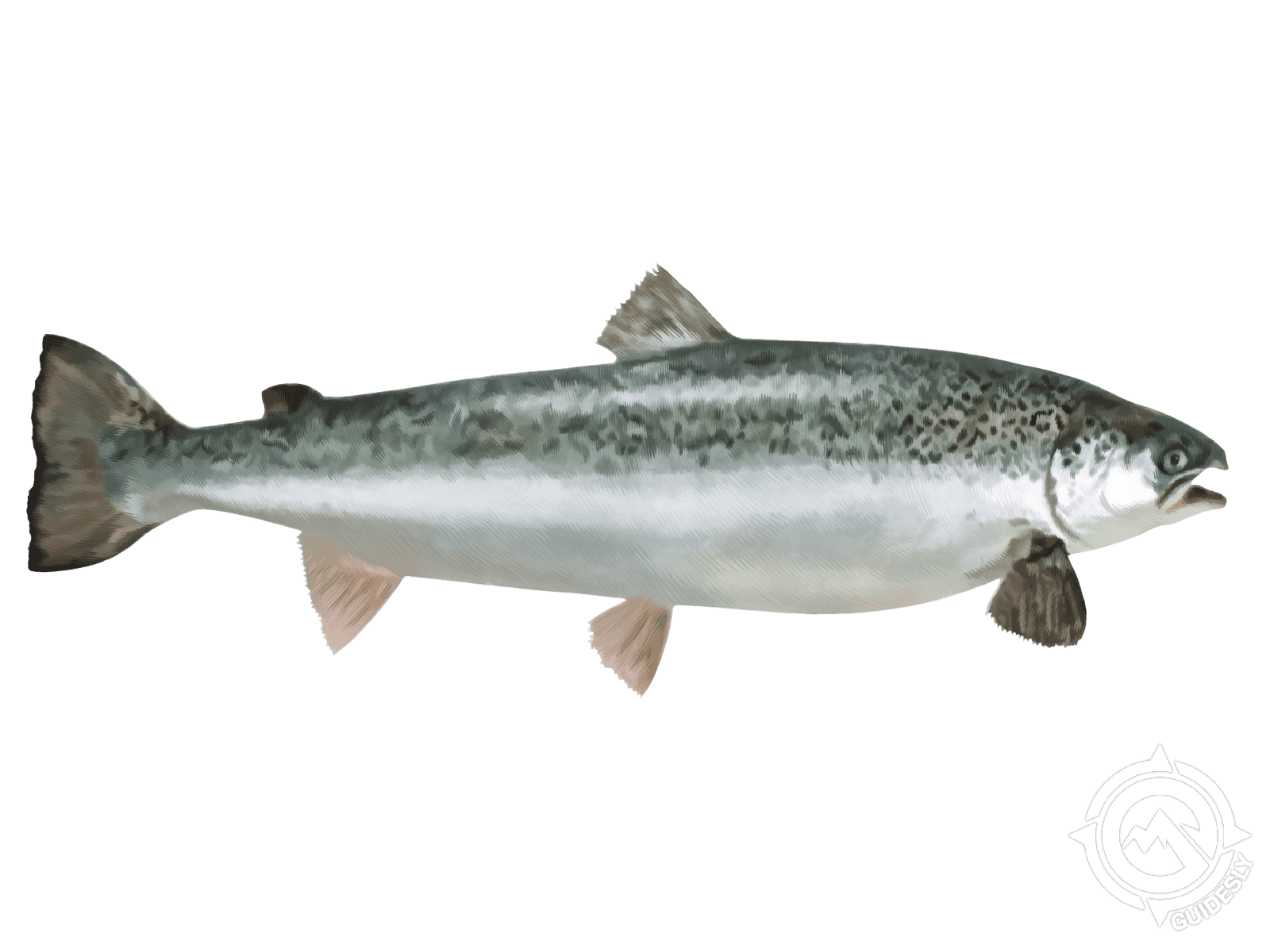
 Sea Trout
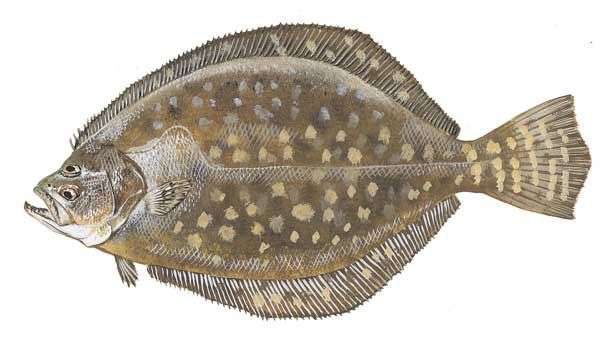
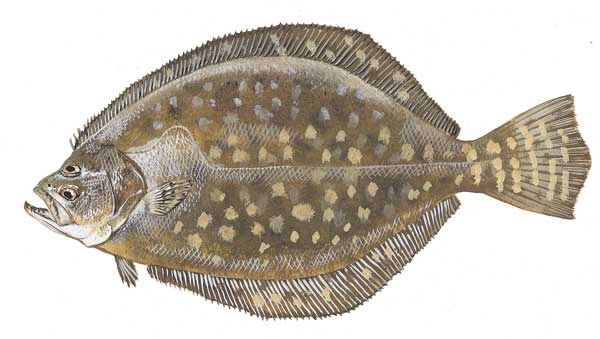 Southern Flounder
- Full-day wade fishing with artificial lures exclusively
- Anglers supply personal rods, reels, and stingray protection
- Small group experience limited to maximum four participants
Trip Pricing and Availabilities:
Full Day Wade Fishing Adventure
Looking for a real fishing challenge that'll test your skills and get you into the thick of the action? This 8-hour wade fishing trip puts you right where the fish are feeding – standing knee-deep in productive saltwater, casting lures to some of the most sought-after inshore species. You'll be working shallow flats and grass beds where redfish cruise, speckled trout ambush bait, and flounder lay in wait. This isn't your typical sit-back-and-relax charter – you're an active participant in every cast, every hookup, and every fight.
What to Expect on the Water
This top-rated wade fishing experience accommodates up to 4 anglers who want to get serious about saltwater fishing. You'll spend the day working prime flats where the water's just the right depth for wading – typically 1 to 3 feet deep depending on tides and structure. The captain knows these waters like the back of his hand and will position you on productive spots where fish are actively feeding. Since you're bringing your own gear, you can fish with the rods and reels you trust most. The captain carries limited backup tackle, but this trip is designed for anglers who come prepared with their favorite setups. Don't forget stingray protection – shuffle your feet and consider booties or wading boots. The saltwater environment demands respect, and proper gear keeps you safe while you focus on the fishing.
Lure Fishing Techniques
Wade fishing with artificials is all about reading the water and presenting lures naturally. You'll be working soft plastics, topwater plugs, spoons, and jigs depending on conditions and what the fish are eating. The beauty of wade fishing is the stealth factor – you can get closer to fish without spooking them like you might from a boat. Expect to cover water methodically, casting to structure like oyster bars, grass lines, and drop-offs. The captain will coach you on retrieve speeds, lure selection, and how to work different areas effectively. Since saltwater will damage expensive reels, the captain's gear stays dry on the boat – that's why bringing your own rods is essential. Pack extra terminal tackle, leaders, and a variety of lures since you'll be doing plenty of casting throughout the 8-hour trip.
Target Species You'll Hook
Southern flounder are masters of disguise, lying buried in sand and mud waiting to ambush prey. These flatfish can reach impressive sizes – a 5-pound doormat is a trophy catch that'll give you a solid fight. Fall and early winter are prime times when flounder are fattening up before their offshore migration. They love soft plastics dragged slowly along the bottom, and the strike feels like you've snagged something until that flat body starts thrashing. What makes flounder fishing exciting is the challenge of finding them – they're perfectly camouflaged until they move.
Black drum are the bulldogs of the flats, using their powerful bodies and stubborn nature to test your tackle. These fish can range from puppy drum around 5 pounds to bull drum exceeding 30 pounds. They're excellent table fare when smaller and provide world-class fights when big. Black drum feed heavily on crabs and shellfish, crushing shells with their pharyngeal teeth. You'll often find them tailing in shallow water, making them perfect targets for wade fishing. The bite is usually subtle – more of a weight than a strike – but once hooked, they'll use every oyster bar and structure to try breaking you off.
Sea trout, or speckled trout, are the bread and butter of inshore fishing and a customer favorite for good reason. These beautiful fish are aggressive predators that readily hit artificials, especially during their morning and evening feeding periods. A 3-pound speck is a solid fish, while anything over 5 pounds is considered a gator trout. They school up over grass beds and near structure, making them perfect for wade fishing tactics. Specks have a soft mouth, so keeping steady pressure without horsing them is key. Their distinctive spotted pattern and delicate flavor make them highly prized by anglers.
Redfish are the crown jewel of shallow water fishing, known for their copper-bronze coloration and that distinctive black spot near their tail. These fish are built for the shallows, with their downturned mouth perfect for rooting around oyster bars and grass flats. A slot-sized red between 18-27 inches provides fantastic action on light tackle, while oversized bull reds over 27 inches are catch-and-release fish that can exceed 40 inches. Reds are notorious for their initial runs and bulldog fights in shallow water. They're also one of the smartest inshore fish, often requiring precise presentations and natural-looking retrieves to fool them.
Time to Book Your Spot
This full-day wade fishing adventure offers serious anglers the chance to target multiple species using techniques that really work. With 8 hours on the water and a experienced captain putting you on fish, you'll have plenty of opportunities to test your skills against some of the best fighting fish in saltwater. The personal nature of wade fishing – just you, your gear, and the fish – creates memories that last long after the trip ends. Spots fill up quickly, especially during peak fishing seasons, so don't wait to secure your date. Whether you're looking to put fish in the cooler or just want to experience world-class inshore fishing, this trip delivers the authentic saltwater experience you're after.
Learn more about the species
Black Drum
Black Drum are the heavyweights of the drum family, running anywhere from 5-30 pounds with some bruisers hitting 90+. These bottom-feeders cruise shallow flats, oyster beds, and muddy areas using their powerful jaws to crush crabs and shellfish. Spring spawning season is when they really shine - they school up and make those distinctive drumming sounds you can actually hear underwater. They're tough fighters that will test your drag, especially the bigger ones. The smaller fish under 15 pounds are fantastic table fare, but the big ones get pretty tough. You'll find them in brackish estuaries and around structure where the food is. Here's the key: fresh crab bait fished right on the bottom is your best bet. Most folks fish too fast for drums - slow down and let them find it.
Redfish
Redfish are the ultimate sight-fishing target, cruising shallow flats in 1-4 feet of water with their copper backs and distinctive black spots near the tail. These bruisers average 28-33 inches but can push 45+ inches and 50 pounds. They'll eat just about anything - shrimp, crabs, mullet, you name it. What makes them special is watching them cruise the shallows, sometimes with their backs out of the water, then exploding on your lure. They're powerful fighters that'll test your equipment and make long runs. The meat is sweet and mild, perfect for grilling. Fall and spring are prime time when they're most active in skinny water around oyster bars and grass beds. Here's my tip: when you spot a red tailing or cruising, cast well ahead of where it's going and work your bait slowly back - they spook easy but hit hard when they decide to eat.
Sea Trout
Spotted Sea Trout, or "specks" as most folks call them, are a wade fishing favorite that typically run 14-24 inches with decent ones pushing 3-5 pounds. They've got that distinctive torpedo shape covered in black spots, and they're aggressive feeders that love shrimp, small crabs, and baitfish. You'll find them over grass flats and in shallow bays, especially around dawn and dusk when they're most active. Spring through fall are your best months, though they school up in deeper water during cold snaps. What makes them special is their willingness to hit artificials and their delicate, sweet meat that's perfect for the dinner table. They're scrappy fighters for their size too. My go-to trick: work your lure slowly over grass beds and listen for them popping shrimp on the surface - that's where you want to be.
Southern Flounder
Southern Flounder are masters of camouflage that bury themselves in sandy or muddy bottoms waiting to ambush prey. These flat fish typically run 15-18 inches, though you can find them up to 33 inches in the right spots. Both eyes sit on their left side, making them easy to identify once you get one up. They love shallow coastal waters, bays, and estuaries where they feed on shrimp, crabs, and small baitfish. Fall and winter are prime time when they're moving toward deeper water. What makes them fun to target is their aggressive strike when they decide to hit - plus they're excellent eating with sweet, flaky meat. Pro tip: when you feel that subtle tick on your lure, don't set the hook immediately. Let them turn and swim off with it first, then drive it home.
About the One More Cast
%2F%2Fusers%2F7cb0a14f-4a09-4406-98bc-5dca68d88a2b%2Fvehicle_picture%2Fscreenshot2026-09-03at1.02.54pm-mtn8yfu0.jpeg&w=1920&q=75)
Vehicle Guest Capacity: 4
Manufacturer Name: Evinrude
Maximum Cruising Speed: 42
Number of Engines: 1
Horsepower per Engine: 200