%2Ffit-in%2F250x250%2Fguide_websites%2F55243%2Fimages%2F1789141028554chatgptimagesep11202610_36_41am.png&w=1920&q=100)
/users/7cb0a14f-4a09-4406-98bc-5dca68d88a2b/ratecard/img_0927-mud86ot4.jpeg)
%2F300x300%2Fusers%2F7cb0a14f-4a09-4406-98bc-5dca68d88a2b%2Fratecard%2Fimg_0927-mud86ot4.jpeg&w=256&q=75)
%2F300x300%2Fusers%2F7cb0a14f-4a09-4406-98bc-5dca68d88a2b%2Fimages%2Fsunset-cruise-port-oconnor-texas-2576.jpeg&w=256&q=75)
%2F300x300%2Fusers%2F7cb0a14f-4a09-4406-98bc-5dca68d88a2b%2Fimages%2Ftexas-fishing-tour-cruises-2925.jpeg&w=256&q=75)
%2F300x300%2Fusers%2F7cb0a14f-4a09-4406-98bc-5dca68d88a2b%2Fimages%2Fredfish-catch-tx-2570.jfif&w=256&q=75)
%2F300x300%2Fusers%2F7cb0a14f-4a09-4406-98bc-5dca68d88a2b%2Fimages%2Fthrilling-tx-outdoor-excursions-2325.jfif&w=256&q=75)
%2F300x300%2Fusers%2F7cb0a14f-4a09-4406-98bc-5dca68d88a2b%2Fimages%2Fthrilling-fishing-tx-2328.jfif&w=256&q=75)
%2F300x300%2Fusers%2F7cb0a14f-4a09-4406-98bc-5dca68d88a2b%2Fimages%2Fbest-tx-fishing-getaway-2398.jfif&w=256&q=75)
%2F300x300%2Fusers%2F7cb0a14f-4a09-4406-98bc-5dca68d88a2b%2Fimages%2Foutdoor-fun-port-oconnor-2470.jfif&w=256&q=75)
%2F300x300%2Fusers%2F7cb0a14f-4a09-4406-98bc-5dca68d88a2b%2Fimages%2Fport-oconnor-fishing-trip-2293.jfif&w=256&q=75)
%2F300x300%2Fusers%2F7cb0a14f-4a09-4406-98bc-5dca68d88a2b%2Fimages%2Fport-oconnor-fishing-tour-2284.jpg&w=256&q=75)
%2F300x300%2Fusers%2F7cb0a14f-4a09-4406-98bc-5dca68d88a2b%2Fimages%2Ftx-fishing-getaway-2366.jpeg&w=256&q=75)
Morning Wade Fishing - Live Bait Included
 Port O'Connor
What you will be catching:
 Black Drum
 Redfish
 Sea Trout
- Five-hour saltwater wade fishing with live bait provided
- Single angler flats fishing experience with personal gear required
- Professional guide service includes mandatory stingray protection
Trip Pricing and Availabilities:
Morning Wade Fishing - Live Bait Included
Looking for a solid wade fishing trip that gets you right into the action? This 5-hour morning session is built for serious anglers who want to work the shallows where the big fish feed. You'll be wading chest-deep in prime saltwater flats, casting to redfish, sea trout, and black drum that cruise these productive waters. Just you and the guide means personalized attention and the flexibility to move when the bite heats up. Live bait comes with the trip, so you're fishing with what these fish actually want to eat.
What to Expect on the Water
This is wade fishing at its finest - no boat deck between you and the fish. You'll start early when the water's still cool and the fish are actively feeding along grass lines and structure. The guide knows exactly where to position you based on tide, wind, and recent fish activity. Since it's just one angler, you get the premium experience - all the best spots, immediate feedback on your technique, and the chance to really dial in your approach. The morning bite is typically the most consistent, especially during warmer months when afternoon heat pushes fish deeper. You'll cover different areas throughout the trip, following the fish and adjusting tactics as conditions change.
Wade Gear & Techniques
Come prepared with your own wade fishing setup - this isn't negotiable. You'll need stingray protection (shuffles or boots), quality waders or wading pants, and your own rod and reel. The guide's equipment stays dry for good reason - saltwater destroys reels fast, and you don't want to get stuck with a $100+ replacement bill. Bring a medium to medium-heavy rod that can handle 15-20 lb line. You'll be sight fishing and blind casting around structure, so accuracy matters more than distance. Live bait availability depends on what's running - could be live shrimp, mullet, or croakers depending on the season and what the baitfish are doing. The guide will rig you up and show you the most effective presentations for current conditions.
Target Species
Redfish are the bread and butter of wade fishing here. These copper-colored bruisers love shallow water and put up a serious fight when hooked. They typically run 18-27 inches in these waters, with slot fish being the most common. Best fishing happens during moving tides when they're actively hunting crabs and baitfish along grass edges. What makes reds so special is their willingness to eat and their bulldogging fight - they'll make long runs and use their broad sides to pull drag. You'll often see them tailing or pushing water as they feed, making for some exciting sight fishing opportunities.
Sea trout are the finicky cousins that require a more subtle approach. These spotted beauties are abundant but can be picky about presentation. They average 14-18 inches with occasional gator trout pushing 20+ inches showing up to test your skills. Trout are most active during cooler water periods and low-light conditions, which is why this morning trip timing is perfect. They have soft mouths, so you need to adjust your drag and fighting technique. When you find a school of feeding trout, the action can be non-stop with multiple hookups in quick succession.
Black drum are the heavyweight champions of the flats. These bottom-huggers can range from 2-pound puppy drum up to massive 30+ pound bulls that will absolutely test your tackle and technique. They're often found around structure and drop-offs, using their powerful pharyngeal teeth to crush crabs and shellfish. Drum fishing requires patience since they're not as aggressive as redfish, but when one picks up your bait, you'll know it immediately. The bigger fish are catch-and-release only, but landing a trophy black drum is a memory that sticks with you long after the trip ends.
Time to Book Your Spot
This top-rated wade fishing experience fills up quickly, especially during prime fishing months. With only one angler per trip, you're getting the kind of personalized attention that produces results. The morning timing, live bait inclusion, and expert local knowledge make this a customer favorite for both beginners looking to learn proper wade techniques and experienced anglers wanting to target quality fish. Don't wait until the last minute - the best fishing dates book weeks in advance. Whether you're chasing your first redfish on fly or trying to land a trophy black drum, this guide service delivers the kind of authentic saltwater experience that keeps anglers coming back season after season.
Learn more about the animals
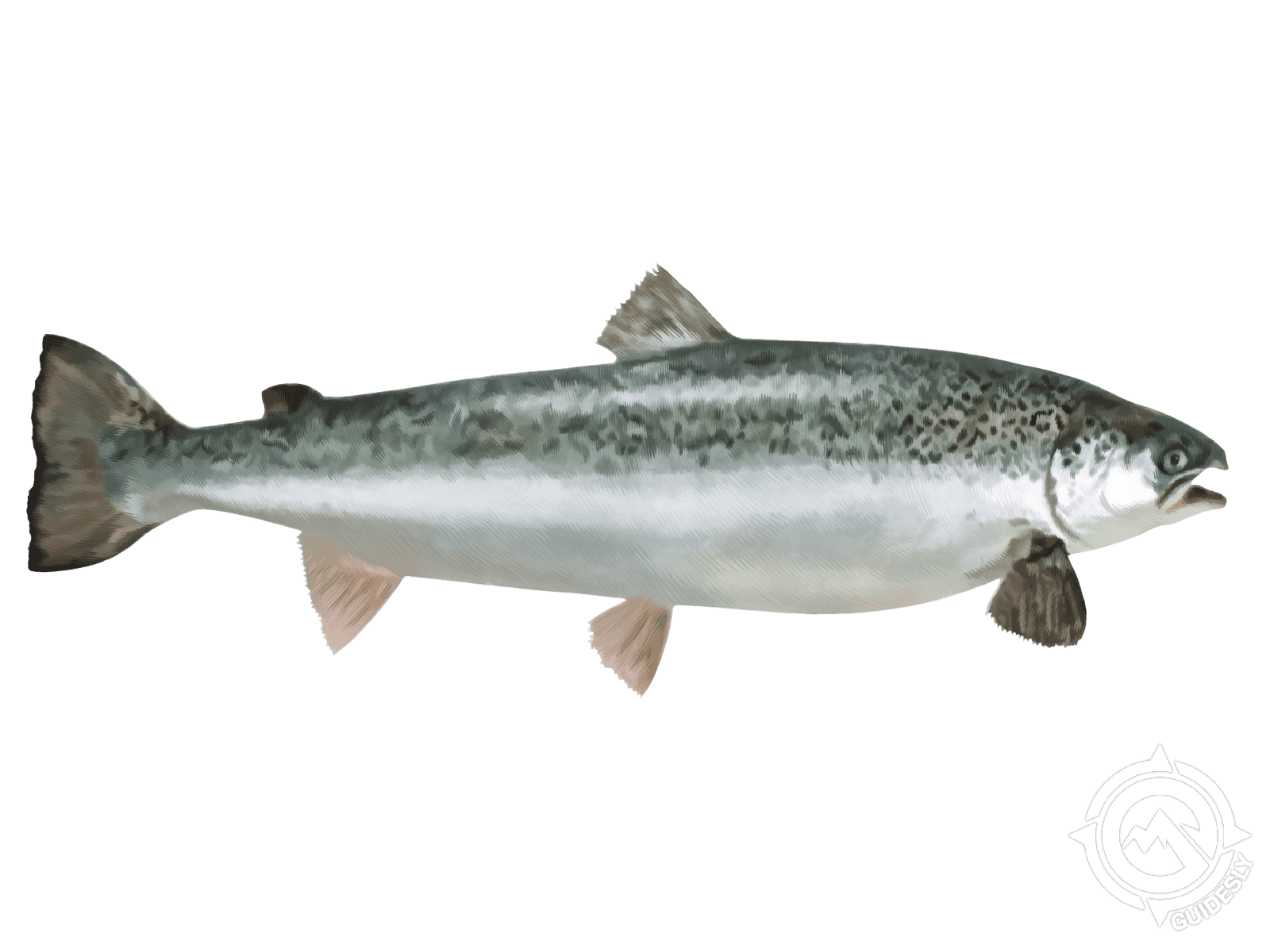
Black Drum
Black drum are the heavyweights of the shallow flats, ranging from 5-30 pounds with some monsters hitting 90+ pounds. You'll find them crushing oysters and crabs around shell beds, muddy bottoms, and creek mouths in 1-6 feet of water. Spring spawning season is prime time when they school up and get aggressive. These bruisers put up a solid fight with their powerful jaws and thick bodies. The smaller ones under 15 pounds make great table fare with flaky white meat, but the big bulls get tough and stringy. Live or cut crab is your best bet since it stays on the hook better than shrimp when other fish try to steal it. Pro tip: listen for their drumming sounds underwater - when you hear that rhythmic thumping, you know you're in the right spot.
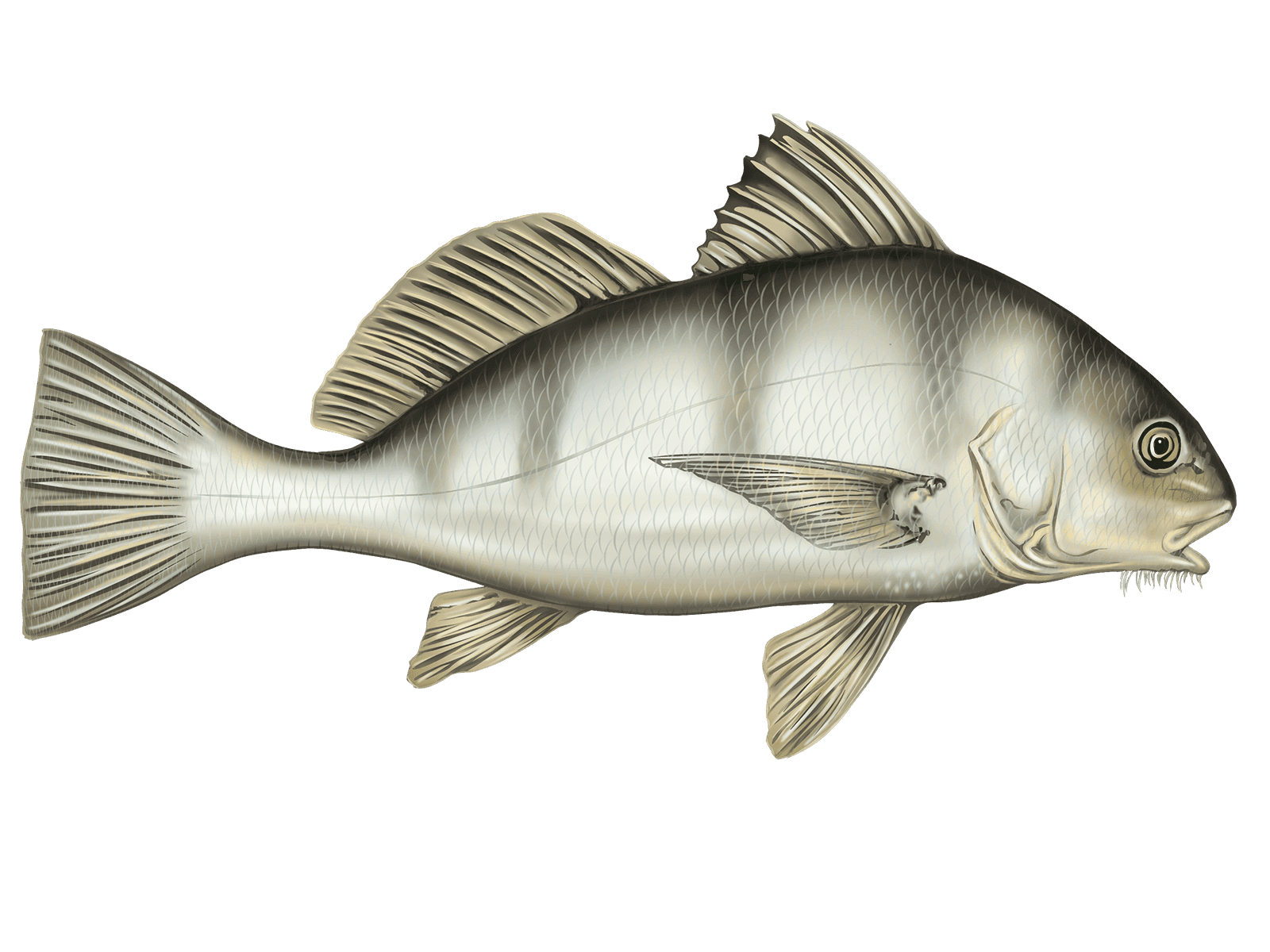
Redfish
Redfish are the perfect shallow water target, running 20-35 inches on average with those distinctive black spots near the tail. They cruise oyster bars, grass flats, and shorelines in water so shallow their backs sometimes show above the surface. Fall and spring offer the best action when they're actively feeding in schools. These copper-colored fighters pull hard and make long runs, giving you a real battle in skinny water. The smaller slot fish are fantastic eating with sweet, firm meat. They'll eat almost anything - live shrimp, cut bait, spoons, and topwater plugs all work great. Look for nervous water, birds working, or tailing fish. Here's a local tip: when you spot a school, don't cast right into the middle - work the edges first to avoid spooking the whole group.
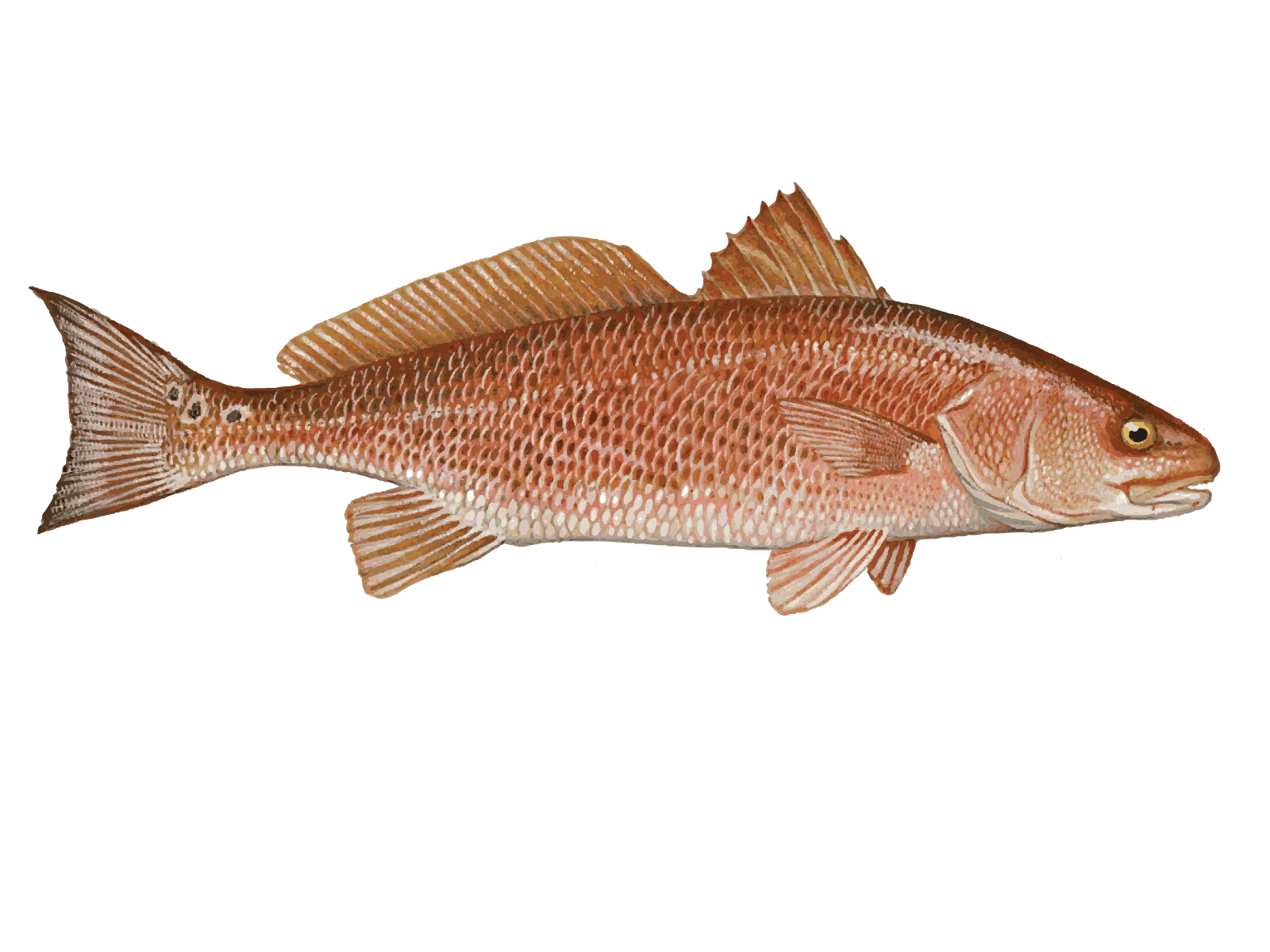
Sea Trout
Speckled trout are wade fishing favorites, typically running 14-24 inches and weighing 1-5 pounds. They love grass flats, shallow bays, and drop-offs in 2-8 feet of water, especially around structure like oyster bars or dock pilings. Cool weather months and low-light periods produce the best action. These fish hit hard and make several jumps, giving you a fun fight on lighter tackle. The meat is excellent - mild, flaky white flesh that's perfect for the dinner table, just don't overcook it or it gets mushy. They'll take live shrimp, soft plastics, and topwater plugs with equal enthusiasm. My go-to trick is working a popping cork with live shrimp underneath - the noise draws them in from a distance and that cork going under is always a thrill.